
Avatar Maker Dress up for kids
Educational3.3 out of 5
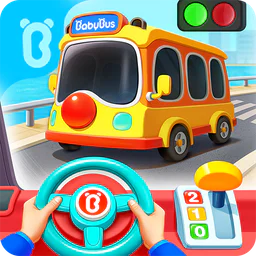
For Android & iOS · BabyBus
 Analysis by Gamesive
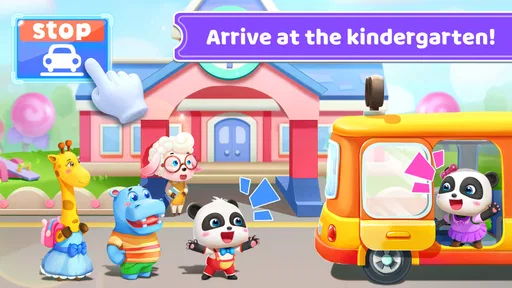
I can see why Baby Panda's School Bus catches a child’s attention quickly: it turns an everyday school journey into a playful driving activity, with the appeal of being in charge of a bus rather than simply watching one. As an educational game from BabyBus, it is aimed at children who enjoy vehicles and pretend play. My overall impression is that it works best as a short, supervised activity—not as a game I would expect to hold a child’s interest indefinitely on its own.
The basic premise is easy for a young child to grasp. A school bus is familiar, and driving it gives the play a clear purpose without requiring a complicated setup or a long explanation from an adult. That makes the game approachable for a child who is not ready for games built around text, strategy, or precise controls. Its Everyone age rating also makes it a natural candidate for a shared family device, though I would still check the in-app purchase setup before handing over a phone or tablet.
In the first week, the strongest appeal is likely to be the combination of a recognizable vehicle and an imaginative role. A child can treat the screen as a little journey, while an adult can turn the activity into conversation: Where is the bus going? Who might be riding? What should a careful driver do? That kind of back-and-forth gives the game more value than simply letting a child tap through it alone.
I would introduce it during a calm, short window rather than using it as an open-ended distraction. For example, it can be a reasonable choice while waiting for an appointment or winding down after a busy day, with a parent nearby to join in. The driving theme gives a child an easy starting point for pretend play, but the real benefit comes when the adult adds questions and lets the child explain what they are doing.
The game is free to download, which makes trying it a low-commitment decision. That does not mean every part of the experience is necessarily free: in-app purchases range from about fifty cents to thirty dollars per item. I would review the purchase controls and agree on a simple rule before a child plays, especially if the device is shared. That small bit of preparation can prevent an enjoyable activity from turning into a dispute over a purchase prompt.
BabyBus makes educational games, and the school-bus setup gives this one a clear child-friendly context. Still, I would treat the educational value as something an adult can draw out, rather than assuming that a driving game automatically teaches a particular lesson. A useful approach is to ask the child to narrate the trip, make choices aloud, or connect the bus ride to their own experience of getting ready for school. This keeps the play active and social without claiming that the game replaces a lesson or a real-world conversation.
One practical tip is to let the child take the lead while you supply only occasional prompts. If an adult constantly tells the child what to do, the activity can become a test; if the child explains the journey in their own words, it becomes pretend play. This is especially helpful for children who enjoy vehicles but lose interest when an adult turns every screen activity into a teaching exercise.
Another useful trade-off is that a simple theme can make the game easier to revisit than a more demanding title, but it may also mean there is less to discover for an older child. A younger player may enjoy repeating a familiar bus scenario, while a child looking for complex goals, a large world, or a deeper building system may soon want something else. I would choose it for accessible role-play, not for a long progression challenge.
The key question after the first burst of excitement is whether the bus remains appealing once the child has seen the central idea. With a focused premise like this, recurring value depends heavily on the child’s own interests. A child who regularly plays with toy vehicles or likes school-themed pretend play may return to it in short bursts. A child who quickly moves on from repeated activities may regard it as a one-week curiosity. Neither outcome makes the game a failure; it simply means its usefulness is personal rather than guaranteed.
I would not build a daily routine around it by default. Instead, keep it available as one option among drawing, toys, books, and other age-appropriate activities, and notice whether the child asks to return to it without prompting. If the game keeps coming up naturally, it has earned a spot in the rotation. If you are the one repeatedly suggesting it, the novelty may already be fading.
That approach also helps avoid relying on the game as a reward for every ordinary task. A short bus-driving session can be a pleasant choice during a waiting period, but making screen time the default way to occupy every gap can crowd out other kinds of play. I find it more useful when the game has a clear beginning and end: play together for a little while, talk about the bus ride, then move on to another activity.
As a point of comparison, many educational games lean on quizzes, letters, numbers, or structured tasks. This one’s appeal is more imaginative and vehicle-centered. That makes it a better fit for a child who wants to act out a role than for one who is specifically looking for reading practice or a puzzle with a measurable challenge. If the family’s main goal is a particular academic skill, a purpose-built learning app may be a better match; if the goal is simple themed play, this has a clearer case.
The game itself is not the only thing to consider; the parent’s maintenance burden includes managing access and expectations. Because purchases are available, I would check the device’s purchase protections before the first unsupervised session. I would also explain that a free download does not mean every optional item is included. That conversation is easier before a child encounters a purchase prompt than after they have formed an expectation about it.
For a shared phone or tablet, it helps to keep the game in a place the child can find without opening unrelated apps. I would also test the opening flow with the child once, then watch how they handle it independently. This gives you a chance to see whether they can start and stop comfortably, and whether they need help navigating anything. It is a practical check, not a reason to assume the game is difficult or that it requires a particular setup.
Compatibility is worth checking before planning around it: the current version is 8.76.16.70, and the stated minimum operating system is Android 6.0. The game is available as a free title, but the optional purchase range makes supervision relevant even if you never intend to buy anything. I would treat this as a child’s game that benefits from a little adult setup rather than a completely hands-off download.
Its broad reach suggests it has found a large audience: the game has over one hundred million installs and an average rating of four and a half from around three hundred thirty-eight thousand ratings. Those figures can reassure a parent that it is widely used, but they do not tell you whether your particular child will stick with it. I would use them as context, not as a substitute for seeing how the child responds during a few short sessions.
The same simplicity that helps a younger child get started can become the main source of fatigue. If the child wants new kinds of challenges, changing goals, or a story that develops over time, a school-bus theme may not provide enough variety for long-term play. I would be cautious about expecting it to replace a broader collection of toys or games, especially for a child who already prefers detailed simulations or open-ended building.
There is also a difference between a child enjoying the idea of driving and enjoying the particular way a game handles it. If they become frustrated by screen controls, prefer physical toys, or want to play with another child in the same room, a toy bus or a cooperative activity may be the better choice. The game is most convincing when the child is happy to engage with the screen and the adult can make the play conversational.
For households trying to reduce screen time, this is not automatically the wrong choice, but it should have a defined place. I would avoid presenting it as an educational necessity or as something a child needs to master. A short visit to the bus can be enjoyable, then the device can be put away without turning the game into a daily obligation.
BabyBus released this educational game on January 3, 2018, and it remains a free option for children who enjoy bus-themed pretend play. For me, its best case is specific: a young child who likes vehicles, a parent who is willing to join in occasionally, and a family that wants a low-pressure activity for short stretches. The Everyone age rating makes the intended audience broad, but the child’s temperament and interest matter more than the label.
I would recommend giving it a try if the school-bus idea already appeals to your child, while setting purchase boundaries and keeping sessions modest. I would skip it if you want a demanding learning curriculum, a game with substantial long-term progression, or an activity that reliably occupies a child without adult involvement. Its lasting value comes from fitting naturally into a child’s play rotation, not from being the only activity they need.
After the novelty fades, the fairest test is simple: does your child choose to return, and can you keep the experience pleasant without constant prompting? If yes, it can remain a handy little option for a waiting room or a quiet moment at home. If not, there is no need to force a habit. I see it as a friendly, focused game with a clear audience—not a must-have, but a reasonable choice when its bus-driving premise matches what a child already enjoys.
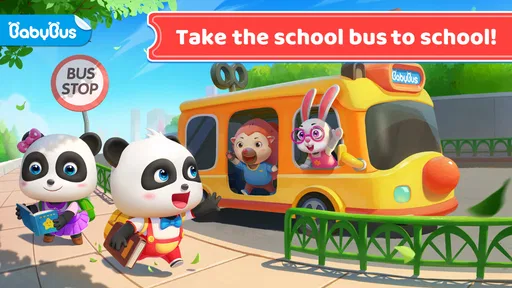
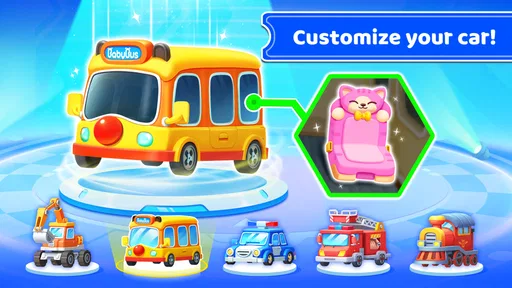
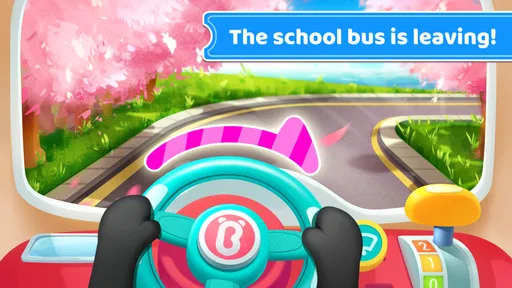
Baby Panda's School Bus is a child-focused game built around journeys on a school bus. Children can explore familiar school-day activities, interact with colorful characters, and take part in simple play scenarios. The exact activities may vary by version, so check the current app listing for details. Its gentle presentation is aimed at young players, with straightforward interactions rather than complex controls or competitive challenges.
The game is designed primarily for preschool-age children who enjoy pretend play and familiar routines such as riding to school. Its bright visuals and simple interactions can make it approachable for early learners, though every child is different. Parents should review the content and controls themselves before handing over a device, especially for very young children, and supervise play when appropriate.
Availability, pricing, advertisements, and in-app purchases can differ by platform, region, and app version. Before downloading, read the Google Play or App Store listing and check its purchase and advertising disclosures. If a child will use the game, consider enabling parental controls or purchase authentication to prevent accidental spending. Do not assume that a free download means every feature is available without payment.
Some parts of a children's game may work without an internet connection after installation, but offline access is not guaranteed and can depend on the current version or device. An internet connection may be needed for the initial download, updates, or certain optional features. To avoid interruptions during travel, test the game in offline mode beforehand and check the store listing for any stated connectivity requirements.
The game is intended for children, but parents should still check the app's current privacy information, age rating, and store disclosures before installing it. Review whether it contains ads, external links, analytics, or optional purchases, and set device-level parental controls as needed. Download only from an official app store, keep the app updated, and supervise young children so they do not leave the game or share personal information.
On Android, Baby Panda's School Bus asks for these permissions.
Baby Panda's School Bus is also available in 2 other languages on our site.
4.5 out of 5
338,438 reviews
Educational · BabyBus

Educational4.4 out of 5

Educational4.3 out of 5

Educational4.1 out of 5

Educational3.3 out of 5

Educational4.4 out of 5

Educational4.4 out of 5
Educational4.4 out of 5

Educational4.8 out of 5
Educational3.3 out of 5
Educational4.5 out of 5

Educational4.6 out of 5
Educational4.5 out of 5

Educational4.5 out of 5

Educational4.6 out of 5
Educational4.5 out of 5

Educational3.8 out of 5

Educational4.4 out of 5

Educational4.6 out of 5

Educational4.5 out of 5

Educational4.4 out of 5



Gamesive reviews games on its own and is not paid by developers for scores. We do not host game files: the download buttons open the official Google Play and App Store pages. Names, icons and screenshots belong to their owners.