Toca Boca World
Educational4.4 out of 5
For Android & iOS · AppQuiz
 Analysis by Gamesive
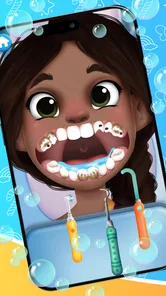
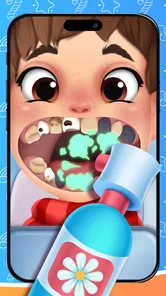
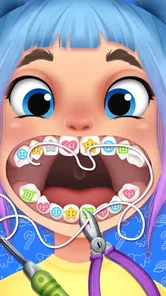
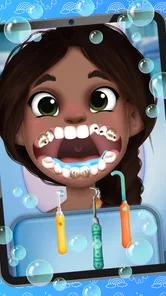
The first time I tried Dentist games, its appeal was easy to understand: it turns a visit to the dentist into a series of playful tasks instead of something to worry about. You take the dentist’s role and help different characters care for their mouths. That simple setup gives children a friendly way to engage with dental-care ideas, while adults can join in without needing to explain a complicated game.
It is an educational game from AppQuiz, aimed at everyone and free to download, with optional in-app purchases. Its average rating is 4.5 from around 108,000 ratings, and it has over 50 million installs. Those figures suggest broad appeal, but they do not tell you whether it will hold a child’s attention beyond the first few sessions. For me, its lasting value depends on treating it as a short, occasional activity rather than expecting it to become a deep game or a complete oral-health lesson.
The dentist role is a useful hook because it gives each interaction a clear purpose. Rather than presenting dental care as a list of instructions, the game invites children to help someone. That shift can make the subject feel less intimidating, especially for a child who is curious about dental tools or uneasy about an appointment.
The basic premise is also easy to share. A parent can sit beside a child, let them take the lead, and use the game as a starting point for a real conversation: what happens during a check-up, why brushing matters, or how a dentist helps keep a mouth healthy. I would keep that conversation light. The game works best as a friendly prompt, not as a source of detailed medical guidance.
For a first session, I would avoid turning it into a test of what the child has learned. Let them explore at their own pace and talk about what they notice. That makes the activity more inviting and helps reveal whether they enjoy pretend-care games or would rather play something with a different kind of challenge.
A practical use case is a quiet stretch at home before an appointment. A child who is nervous might enjoy taking the dentist’s role and helping a character first. That can make the topic feel more familiar, but it is not a guarantee that real treatment will feel easy. I would pair it with a calm, honest explanation of the actual visit rather than promising that the game mirrors every part of one.
One non-obvious strength is that the premise gives adults a natural way to participate without taking over. Instead of asking a child to sit through a lesson, you can ask them what they think the character needs and let their choices guide the chat. This works particularly well for younger children who enjoy make-believe and benefit from an adult’s reassurance.
It is less suitable if you want a detailed simulation of dental work, a structured course with measurable learning goals, or a game built around a long progression. The simple role-play is the point, but it also limits how much depth you should expect. Older children who want strategy, complex puzzles, or a stronger sense of challenge may lose interest quickly.
After the first few sessions, the key question is whether the idea continues to create useful moments. For families with a child who enjoys pretend play, it can be worth keeping available for occasional use. It offers a low-pressure way to revisit a familiar topic, and its educational framing gives the activity more purpose than a purely random distraction.
I would not rely on it as a daily habit builder. A game about dentistry can make the subject approachable, but regular brushing still depends on family routines and adult guidance. A useful approach is to play together once, then connect the theme to a real routine: after the game, brush teeth as usual and talk about one simple thing the child remembers. That small bridge is more valuable than repeatedly opening the game without any connection to everyday care.
Compared with a general children’s game, this one has a narrower subject and a clearer conversation starter. Compared with a dedicated brushing timer or a dentist’s own advice, it is more about playful engagement than practical instruction. The right choice depends on the need: choose this for imaginative dentist-themed play, but look elsewhere if you need a tool that guides a brushing session or explains oral hygiene in a systematic way.
Its developer, AppQuiz, has kept the game’s central appeal straightforward: the child gets to be the helper. The current version is 17.8, and the game was released on December 28, 2015. For a family deciding whether to try it now, the more useful question is not how long it has existed, but whether this particular kind of role-play fits the child. A free download makes trying it an easy decision, though in-app purchases range from $0.99 to $4.99 per item, so I would check purchase options before handing over a device.
There is little value in forcing repeat play just to turn an educational app into a routine. I would bring it out when the child is already interested in dentists, has questions about a visit, or wants a gentle game to play alongside a parent. If the child stops choosing it, that is a reasonable sign to move on rather than insist that the educational label makes it worthwhile.
A second practical tip is to use the game as a conversation before or after a real appointment, not as a substitute for one. Beforehand, it can help a child talk through the idea of helping someone’s mouth stay healthy. Afterwards, it can give them a playful way to revisit the experience. Keep expectations modest: the game’s premise may support familiarity, but a parent or dental professional remains the better source for answers about a child’s own teeth.
The main maintenance burden is simple: manage the device, keep an eye on optional purchases, and decide when screen time is appropriate. There is no need to build a complicated schedule around it. If you share a phone or tablet with a child, it is sensible to review the purchase settings first and stay nearby, especially if the child is young. The everyone age rating makes the intended audience broad, but it does not replace a parent’s judgment about screen habits or spending.
The same narrow focus that makes the game easy to understand can also make it repetitive. Once a child has satisfied their curiosity about playing dentist, the theme may not provide enough variety to keep them returning. That is not necessarily a flaw for a short activity, but it matters if you are searching for a game that can occupy a child for weeks through increasingly demanding play.
Another source of fatigue is an expectation mismatch. A parent may download it hoping for a comprehensive lesson on dental hygiene, while a child may simply want to explore a playful scenario. Neither expectation is quite the same as the game’s basic role-playing premise. I would judge it by whether it encourages a pleasant conversation and keeps the child engaged briefly, rather than by whether it changes habits on its own.
It can also be the wrong choice when a child finds medical themes unsettling. Even a playful dentist setting may remind them of an appointment they fear. In that situation, I would not use the game to pressure them into feeling better. A calm conversation, reassurance tailored to the child, or help from their dental team may be more appropriate.
Dentist games earns a place as an occasional, child-friendly activity for families who want to make dental care easier to discuss. Its strongest lasting contribution is not deep gameplay; it is the opening it creates for a parent and child to talk about helping a character and then connect that idea to everyday care. That is a modest benefit, but a real one when used thoughtfully.
I would recommend trying it if your child likes pretend play, is curious about dentists, or could use a gentle introduction to the subject. I would skip it if you want a detailed educational program, a dependable brushing companion, or a game with extensive long-term progression. It is free, although optional purchases are available, so keep those in mind when setting up a child’s device.
Overall, I see it as something to keep installed only if it continues to prompt enjoyable play or useful conversation. It does not need to become part of a daily routine to justify its space. When the novelty fades, let the child’s interest decide: return to it around a relevant moment, or choose another activity that better fits what they want. That flexible approach makes the game more useful than expecting it to carry the whole job of teaching healthy habits.
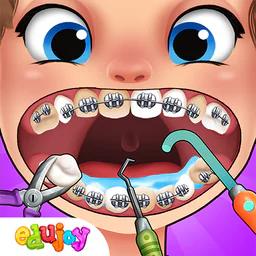
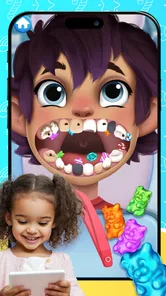
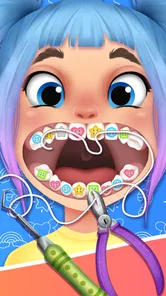
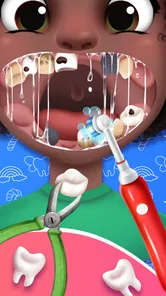
Dentist games usually let you play the role of a dentist and treat virtual patients with problems such as cavities, plaque, or broken teeth. Depending on the title, you may clean teeth, use dental tools, apply fillings, or choose accessories and decorations. The exact activities, difficulty, and presentation vary, so check the app’s description and screenshots before downloading.
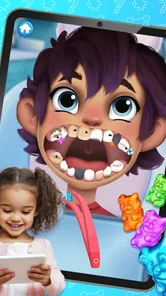
Many dentist games are designed with children in mind, but suitability depends on the specific app. Some use friendly characters and simple, cartoon-style procedures, while others may show more realistic tools or medical details. Before a child plays, review the age rating, content description, and privacy information, and consider whether the game contains ads, in-app purchases, or links to external websites.
Some dentist games can be played offline after installation, while others need an internet connection for features such as loading content, watching rewarded ads, syncing progress, or accessing online events. Requirements can differ by game and may change after updates. If offline play matters to you, check the store listing and test the game without a connection before relying on it.
Many dentist games are free to download, but free access does not always mean every feature is free. A game may display advertisements, offer optional purchases for tools or cosmetic items, or use other restrictions to unlock content. Read the store listing for pricing details and check your device’s purchase settings, especially if children will be using the app.
Check that the game is compatible with your device and operating-system version, then review its age rating, recent user feedback, update history, and listed permissions. It is also useful to look for details about ads, in-app purchases, offline access, and data collection. These checks can help you choose a game with suitable gameplay and avoid unexpected costs or privacy concerns.
On Android, Dentist games asks for these permissions.
Dentist games is also available in 2 other languages on our site.
4.5 out of 5
107,847 reviews
Educational · AppQuiz
Educational4.4 out of 5
Educational4.3 out of 5
Educational4.5 out of 5

Educational4.1 out of 5
Educational3.3 out of 5

Educational4.4 out of 5

Educational4.4 out of 5
Educational4.4 out of 5

Educational3.3 out of 5
Educational4.5 out of 5

Educational4.6 out of 5
Educational4.5 out of 5

Educational4.6 out of 5
Educational4.5 out of 5
Educational3.8 out of 5
Educational4.4 out of 5

Educational4.6 out of 5

Educational4.5 out of 5
Educational4.4 out of 5



Gamesive reviews games on its own and is not paid by developers for scores. We do not host game files: the download buttons open the official Google Play and App Store pages. Names, icons and screenshots belong to their owners.