Solitaire - Classic Card Games
Card4.9 out of 5
For Android & iOS · Scopely





 Analysis by Gamesive
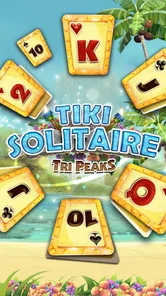
I like card games that give me a small decision to make without demanding a long stretch of concentration. Tiki Solitaire TriPeaks is built around that kind of session: it turns a familiar solitaire-style card puzzle into a bright, tropical-themed game. The appeal is not that it reinvents cards, but that it gives a quick round a little more shape than simply sorting a deck. I found it easiest to enjoy when I treated each move as a choice about what to uncover next, rather than tapping through a pile as fast as possible.
At its core, this is a card game from Scopely, centered on the TriPeaks style of solitaire. The important difference from building suit sequences in classic Klondike is the focus on removing exposed cards by matching rank with the card currently in play. That simple rule makes each turn easy to understand, but the layout can make the order of your choices matter: clearing one card may reveal another, while a tempting match may leave a more useful card buried for later.
That rhythm is what gives the game its identity. I can start a round without remembering a complicated rule set, yet I still have to glance across the tableau and decide whether the next available match is useful now or whether another exposed card could open up a better route. It feels more like a compact puzzle than a test of deep card-game knowledge. If you already know solitaire, the central idea is approachable; if you do not, the matching rule is straightforward enough to pick up as you play.
The tropical presentation gives the familiar format a lighter mood. It suits short breaks better than a stark, old-fashioned card table would, though the theme is mainly atmosphere rather than a reason to choose the game on its own. The useful point is that the visual setting makes the experience feel casual. I would describe it as a relaxed puzzle with moments of planning, not as a demanding strategy game or a substitute for a traditional multiplayer card table.
The most useful habit is to scan the exposed cards before making the first match. When two or more cards are available, I try to notice which one is covering the most of the layout or seems likely to uncover a useful next move. The game’s basic rule encourages immediate matching, but automatic-looking choices can narrow your options. Taking a moment to read the layout is a small adjustment that makes a round feel more deliberate.
I also avoid treating every turn as if it needs a perfect solution. A hidden card can change what is possible, so a plan may need to adapt as the layout opens. When I am unsure, I choose the move that gives me the clearest chance to reveal more of the board, rather than clinging to a long chain I cannot yet see. This is a practical way to keep the puzzle engaging without turning a casual game into a chore.
On a phone, the appeal is the small scale of each decision. You can look at the available cards, choose a match, and reassess the new layout without needing to set aside a long uninterrupted block of time. That makes it a natural fit for a waiting room, a quiet coffee break, or a few minutes between tasks. A realistic use is opening one round while waiting for a friend: the game gives you something to focus on, but the card puzzle does not require you to remember a sprawling storyline when you return to it.
There is a trade-off to that convenience. Short rounds can encourage a “one more try” habit, especially when a layout feels close to being cleared. I would set a stopping point if I only have a brief break, because the easy-to-understand loop makes it tempting to continue. The game works best as a little mental diversion, not as something I would open when I need to stay focused on another task.
It also rewards patience more than frantic tapping. If I rush, I am more likely to miss a card that could make a later sequence possible. Playing slowly does not guarantee a better outcome, but it does make the choices feel less arbitrary. That is a useful distinction for anyone expecting a reflex game: this is about noticing options and managing uncertainty, not reacting quickly to moving targets.
For me, the strongest everyday scenario is a short solo session when I want a low-pressure puzzle and do not feel like learning a new game. TriPeaks offers more visible choice than simply flipping through cards, while remaining less demanding than a strategy title that expects long-term planning. Someone who enjoys finding a sequence in a changing layout will likely understand its appeal quickly. It can also suit a casual player who likes card games but would rather play alone than coordinate a table or wait for opponents.
The comparison with other familiar solitaire formats is helpful. Klondike often asks you to build suit-based piles and manage the stock; Spider puts more emphasis on organizing longer sequences. TriPeaks shifts attention toward which exposed card to clear and what that might uncover. Hearts, by contrast, is a social trick-taking game, so it offers interaction and reading other players that this solo puzzle does not. If you want a quick, self-contained card challenge, TriPeaks is the more natural choice; if you want table talk, rivalry, or the satisfaction of arranging long runs, another format may suit you better.
There is also a limit to how much strategic depth the core idea can provide. The rules stay accessible, which is a strength for casual play, but a player looking for a layered competitive system may find the decisions familiar after repeated sessions. I would not choose it as my main card game if what I want is a serious test of probability, opponent-reading, or elaborate deck-building. Its appeal is the easy entry and the steady stream of small layout decisions.
The game is free to download and is rated Everyone, so it is broadly accessible as a casual card title. It has been available since July 30, 2013, and the current version is 17.1.0, with Android support beginning at version 6.0. Its longevity is reflected in a 4.5 average from around 768,000 ratings, alongside more than 10 million installs. Those figures suggest that the format has found a large audience, but I would still judge it by whether this particular pace and style of solitaire suit you.
There are in-app purchases, with listed item prices ranging from $0.49 to $199.99. That is worth knowing before handing the game to a child or treating every optional purchase as a small, harmless extra. I would start by playing the free version and decide whether the core card puzzle is enjoyable before spending anything. If a game’s purchase prompts or optional spending would distract you from the cards, that possibility may be a reason to choose a simpler offline solitaire alternative instead.
Because the game is designed around individual card layouts, it is a better match for players who are content to focus on the puzzle in front of them than for those seeking a shared card table. I would also skip it if I strongly prefer games where every outcome is controlled by planning; drawing and uncovering cards naturally leave room for uncertainty. That unpredictability is part of the format, but it can frustrate anyone who expects skill alone to determine how a round unfolds.
Tiki Solitaire TriPeaks is best for people who want a familiar card-game entry point with enough choice to make each short round feel like a puzzle. I especially recommend it to casual solitaire fans who enjoy scanning a layout, uncovering cards, and adjusting their plan as new options appear. The most useful tip I can offer is simple: pause before each match, look for the move that opens the board, and do not assume the first available card is always the best one.
Players who want social competition, intricate strategy, or a completely purchase-free environment may be happier with a different card game. But if you enjoy solo play and want something more engaging than passively flipping through a deck, this is an easy game to try. Scopely’s card title keeps its central idea clear and approachable, and its main strength is precisely that balance: each decision is small, but a good sequence can make a quick break feel satisfyingly thoughtful.
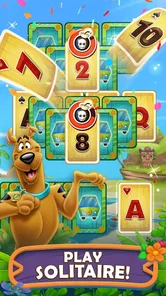
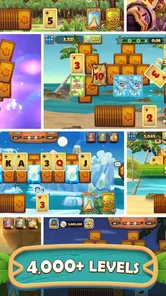
Tiki Solitaire TriPeaks is a casual card game built around the TriPeaks solitaire format. You clear cards from a layout by selecting one that is immediately higher or lower than the card in your waste pile, regardless of suit. The game adds tropical-themed levels, objectives, and collectible rewards, so it combines familiar solitaire rules with a level-based progression system.
The game is generally free to download, and you can play without paying. Optional in-app purchases may offer coins, boosters, or other resources that can help with progression, and the game may also include advertisements or prompts to make purchases. Check the current store listing and purchase settings for details, since availability, pricing, and monetization can vary by device or region.
Some parts of Tiki Solitaire TriPeaks may work without a connection, but features such as events, daily rewards, account syncing, or other online content can require internet access. Offline availability may also depend on whether the relevant game data has already loaded. If you plan to play while traveling, try the game offline beforehand and avoid assuming that every feature will remain available.
Yes. You can make progress by playing levels and using the rewards the game provides, though limited resources, challenging layouts, or failed attempts may make progress slower. Boosters and extra lives can be helpful but are not necessarily required for every level. If you prefer not to make purchases, review the in-app purchase settings on your device and use any available parental controls.
The game’s card-based puzzles and bright, tropical presentation may appeal to a wide range of ages, but suitability depends on the child and the family’s preferences. Before downloading, check the app-store age rating, privacy information, and details about advertising and in-app purchases. For younger players, consider enabling purchase restrictions and reviewing the game together to understand its online features and prompts.
On Android, Tiki Solitaire TriPeaks asks for these permissions.
4.5 out of 5
768,250 reviews
Card · Scopely

Card4.3 out of 5
Card4.7 out of 5

Card4.2 out of 5

Card4.6 out of 5
Card4.7 out of 5

Card4.6 out of 5

Board4.6 out of 5

Action4.7 out of 5

Board4.5 out of 5

Word4.6 out of 5
Card4.9 out of 5
Card4.8 out of 5

Card4.8 out of 5

Card4.5 out of 5
Card4.7 out of 5
Card3.9 out of 5
Card4.7 out of 5

Card4.5 out of 5
Card4.6 out of 5
Card4.5 out of 5

Card4.8 out of 5
Card4.9 out of 5



Gamesive reviews games on its own and is not paid by developers for scores. We do not host game files: the download buttons open the official Google Play and App Store pages. Names, icons and screenshots belong to their owners.