
Tiki Solitaire TriPeaks
Card4.5 out of 5
For Android & iOS · Tripledot Studios Limited
 Analysis by Gamesive
I like solitaire most when it gives me a small, clear problem to solve without demanding a long session. Solitaire.com - Classic Cards is built for that kind of pause: a familiar card game on a phone, easy to pick up and easy to leave when the next thing comes along. It is a free card game from Tripledot Studios Limited, and its focus is straightforward rather than elaborate. That simplicity is its main strength, though it also means players looking for a deep campaign or a constantly changing challenge may want more.
The first appeal is that I do not need to learn a complicated set of rules before playing. The classic solitaire format gives each round an immediate objective: work through the cards and build toward a completed game. That makes it approachable for someone returning to the genre as well as for a newcomer who wants to understand the basic rhythm by playing.
In everyday use, I can imagine opening it while waiting for a bus or taking a short break between tasks. A round gives that moment a little structure, but the game does not require me to coordinate with other players or remember a long-running story. The useful distinction is that a quick session can feel complete even if I only have a few minutes. When I have more time, I can keep playing without needing to switch to a different mode of entertainment.
The app’s presentation as a classic card game is also a practical choice. Familiar rules make it easier to focus on the layout rather than menus or instructions. If you already play solitaire with a deck of cards, the phone version should feel like a natural fit. If you are new to it, expect a game of planning and patience, not a fast reaction test: the meaningful decisions are about which cards to uncover and how to keep options open.
One useful habit is to pause before moving a playable card simply because it can move. A card that looks ready for a foundation may be more valuable in the tableau if it helps uncover another card or gives you room to rearrange a sequence. That kind of choice is where the game’s modest goals become engaging. The target is simple, but the route to it can call for a little thought.
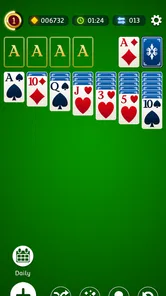
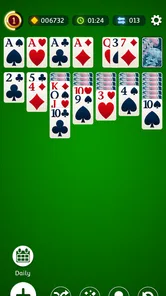
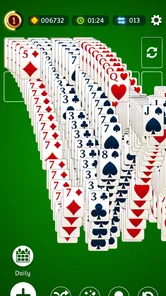
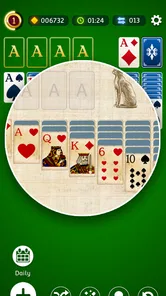
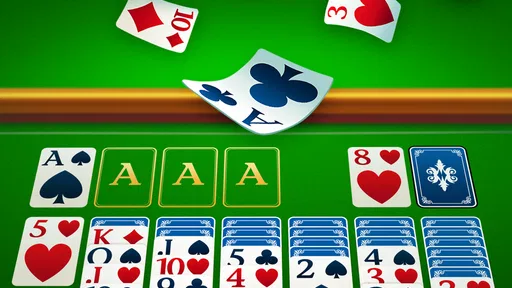
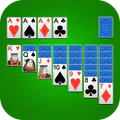
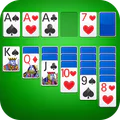
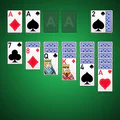
Solitaire does not need a complicated progress display to show whether a round is going well. I can read it directly from the cards: more hidden cards have been uncovered, sequences have been reorganized, and the foundations are beginning to fill. That visual feedback is satisfying because it comes from the state of the game itself. I can see the result of a useful move without having to stop and interpret a separate system.
The broader audience response suggests that this familiar format has lasting appeal. The game has a 4.7 average from around 328,000 ratings, and it has been installed over 50 million times. Those figures do not tell me whether a particular deal will be enjoyable, but they do give a sense of how widely the classic format has found an audience. The game is free, so it is easy to try without paying upfront.
For me, the best way to judge progress is not to treat every completed round as proof of skill or every dead end as a personal failure. The layout can limit the options available, and sometimes the sensible approach is to examine the board again rather than rush through the remaining moves. A short reset in attention can make a familiar position easier to read. That is a small but useful reason this kind of solitaire works well as a quiet break: it rewards observation more than speed.
The game’s release date is January 19, 2018, and its current version is 4.65.00. It is rated for Everyone, which fits the accessible nature of a traditional card game. The minimum operating system is 7.1. Those details make it a broadly approachable option for people whose devices meet that requirement, though the experience itself will still suit some players more than others.
The challenge here is the steady uncertainty of a card layout. A move can open a useful path or make the remaining arrangement more awkward, so it pays to consider what a move enables rather than just what it immediately completes. I find that a good round is not necessarily one where I make every decision quickly; it is one where I keep enough possibilities in view to avoid closing off a helpful sequence too soon.
That also explains a limitation. Solitaire’s challenge is subtle and largely self-contained. It is not the right pick if you want a competitive match, a narrative campaign, or a series of sharply different mechanics. Compared with word puzzles, it asks less of your vocabulary; compared with action games, it asks little of your reflexes. Its satisfaction comes from arranging information and spotting opportunities, which can be calming but may feel repetitive if you need novelty in every session.
A practical approach is to scan the whole tableau before committing to a move. Check whether a card can uncover something important, whether moving it would preserve a useful space, and whether a sequence could be rearranged later. This is more helpful than playing only by the most obvious available move. It is not a guarantee of a win, but it makes the decisions feel deliberate and can prevent avoidable frustration.
There is a trade-off between the game’s approachable pace and the possibility that a round may not resolve neatly. Players who enjoy working through a constrained puzzle can find that tension engaging. Someone who wants every short session to deliver a clear, guaranteed payoff may be less comfortable with it. I would choose a more guided puzzle game if I wanted carefully staged difficulty or explicit instruction at each step; I would choose solitaire when I wanted familiar rules and room to think at my own pace.
For a game like this, the natural pull is the unfinished round and the thought that one more careful move might improve the position. That is a gentle form of motivation rather than a reason to chase a complex progression path. I appreciate that distinction: the cards themselves provide the immediate focus. The game does not need me to remember a plot or keep up with a group to understand why I might play another round.
At the same time, players who need visible long-term goals may find the experience plain. The core appeal is repetition with small variations in the arrangement, not a promise of a dramatically different activity every time I open the app. I would not recommend it as a substitute for a collection of varied card games if variety is the main thing you want. Its strength is doing one familiar kind of play in a way that suits brief, self-contained sessions.
It also suits different moods. When I want a low-pressure mental break, I can focus on the next sensible move and let the rest of the day wait for a moment. When I am tired and do not want to make even small decisions, the same need to examine the layout can feel like effort rather than relaxation. That is an honest distinction: solitaire can be calming, but it is still a puzzle, and the amount of attention it asks for depends on how much you want to engage.
There is no need to set aside a long block of time just to make the game worthwhile. A single round can provide a compact activity, while longer play is available for anyone who enjoys repeating the process. I would treat it as a convenient option for waiting rooms, commutes as a passenger, or a brief pause at home—not as something that should claim every idle moment. If you want to keep screen time intentional, deciding in advance to play one round is a simple way to give the session a natural stopping point.
I would recommend it to people who already like classic solitaire, anyone wanting an uncomplicated card game for short breaks, and players who enjoy making measured choices without competing against a clock or another person. The game is also a reasonable starting point for someone curious about solitaire because the basic objective is familiar and the board makes progress easy to follow. Its Everyone age rating reinforces that broad accessibility.
I would steer away from it if you are looking for multiplayer interaction, a deck-building strategy game, or a rich sequence of unlocks and story milestones. Those are different kinds of card experiences. A more varied card-game collection is the better alternative if you want to switch between rulesets; a competitive game is a better fit if the social contest is the point. This app is at its best when you want the classic solitaire loop specifically, not a broad card-game package.
Another useful comparison is with playing on a physical deck. A phone is more convenient when you are away from a table and makes it easy to begin a round during a spare moment. A real deck, on the other hand, offers a tactile experience and keeps the screen out of the break. I would choose the app for convenience and a deck when I wanted a more hands-on, unhurried activity. Neither is automatically better; they serve different situations.
The developer, Tripledot Studios Limited, has built a game whose appeal rests more on the enduring card format than on a complicated premise. That makes expectations important. I would come to it for familiar solitaire, readable progress, and a manageable mental challenge. I would not expect it to provide the range of a large card-game anthology or a deep progression-focused game.
My overall impression is positive, with a clear caveat: this is a focused choice rather than an all-purpose game. Its early goals are easy to grasp, its progress is visible on the board, and its difficulty comes from deciding which moves preserve useful options. Those qualities make it satisfying in small doses. The same focus can become repetitive if you need regular changes of pace or a strong sense of long-term advancement.
As a free download, it is easy to try if classic solitaire is already appealing to you. I would start with short sessions and notice whether the decisions feel relaxing or like one more task. If you enjoy scanning a layout, uncovering possibilities, and giving a few spare minutes a clear purpose, Solitaire.com - Classic Cards is a sensible fit. If you want social play, elaborate goals, or a different puzzle every time, I would look elsewhere.
Ultimately, the game’s strongest progression signal is the changing board in front of me, not a promise of spectacle. That is enough for the right player: one familiar challenge, a clear next move, and a natural point to stop when the round is done. For a quiet card-game break, I find that restraint more appealing than a pile of distractions. Solitaire.com - Classic Cards earns its place on a phone by making a traditional pastime convenient, while asking the player to bring the patience that has always made solitaire work.
Solitaire.com - Classic Cards is a digital version of the familiar one-player card game, usually played by arranging cards into descending sequences while alternating colors and building each suit from Ace to King. It is designed for quick, casual play and may offer different modes or settings depending on the version available on your device. Check the app’s store listing for the current features and supported game variations.
The goal in classic Klondike Solitaire is to move all cards to the four foundation piles, organizing each suit from Ace through King. On the tableau, you can place a card on another card that is one rank higher and the opposite color, then reveal face-down cards as they become available. Cards can also be drawn from the stock pile. The app may include hints or undo options, but their availability can vary.
The game may be available to download at no cost, but free apps can include advertisements, optional purchases, or other in-app features. Pricing and monetization can differ by platform, region, and app version, so review the Google Play or Apple App Store listing before installing. If you want to avoid unexpected charges, check the purchase details and your device’s settings for in-app purchase controls.
Some solitaire games allow a round to be played without an internet connection, but offline access can depend on the app version and whether features such as ads, daily challenges, statistics, or online leaderboards require connectivity. The store description or the app’s own help information is the best place to confirm what works offline. If offline play matters to you, test the game after installation while disconnected.
Classic Solitaire is generally easy to learn, and familiar card rules make it approachable for new players; optional hints, if included, may also help explain possible moves. Before downloading, check that your device meets the listed requirements, confirm the publisher and app permissions, and read recent store reviews. Also review the privacy information and any notes about ads or purchases to decide whether the app suits your preferences.
On Android, Solitaire.com - Classic Cards asks for these permissions.
4.7 out of 5
328,236 reviews
Card · Tripledot Studios Limited

Card4.3 out of 5

Card4.2 out of 5

Card4.6 out of 5

Card4.7 out of 5

Card4.6 out of 5
Card4.9 out of 5

Puzzle4.8 out of 5
Card4.5 out of 5

Casual4.9 out of 5

Card4.8 out of 5
Card4.5 out of 5
Card4.8 out of 5

Card4.8 out of 5

Card4.5 out of 5
Card4.7 out of 5
Card3.9 out of 5
Card4.7 out of 5

Card4.5 out of 5
Card4.6 out of 5
Card4.5 out of 5

Card4.8 out of 5
Card4.9 out of 5



Gamesive reviews games on its own and is not paid by developers for scores. We do not host game files: the download buttons open the official Google Play and App Store pages. Names, icons and screenshots belong to their owners.