Word Collect - Word Games Fun
Word4.7 out of 5

For Android & iOS · Scopely
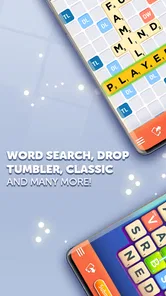
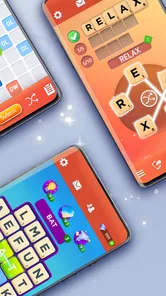
 Analysis by Gamesive
I would recommend Scrabble® GO to someone who likes word games but wants more than a solitary puzzle. It brings the familiar letter-tile challenge to a phone, with matches against other people and a more colorful presentation than a traditional board. My first impression is that it is easy to begin, yet it rewards patience: a good turn is not just about making the longest word, but about placing it where it scores well and leaves useful letters for later.
This is a free word game from Scopely, rated Everyone, and it has built a large audience: its average rating is 4.6 from around 605,000 ratings, with more than 10 million installs. Those figures suggest broad appeal, but they do not mean every player will enjoy its pace or presentation. If you want a quiet, no-frills board experience, the extra menus and social elements may feel like distractions. If you enjoy taking turns with friends or testing vocabulary against opponents, there is a lot to settle into.
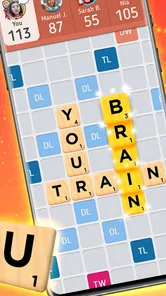
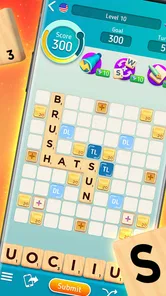
The core appeal is the recognizable Scrabble-style task of arranging letter tiles into words and making the most of the board’s scoring spaces. That familiarity makes the opening minutes less intimidating: you do not need to learn a complicated control scheme before you can play. The real challenge is deciding whether to spend a strong word now, preserve a useful letter combination, or place a short word that blocks an opponent’s opportunity.
Unlike a paper board, a mobile match can fit around spare moments. You can make a move, put the phone away, and return when it is convenient for the match. That makes it a good companion for a commute, a lunch break, or a relaxed evening when you want a game that does not demand uninterrupted attention. It is less suited to someone looking for a fast action game or a puzzle with a guaranteed finish in a few minutes.
The presentation is livelier than the restrained board-and-rack format some Scrabble fans prefer. That can make the game feel welcoming, especially if you like a more modern mobile style, but it also means there is more around the central board than in a barebones word-game app. I would approach it as a social mobile game built around Scrabble rather than as a digital copy of a physical set.
After installing, I would focus on reaching the board and learning how a turn works before spending time exploring every option. The first useful goal is simple: look at your rack, find a word you know is valid, and place it where it connects appropriately with the board. You do not need a spectacular opening move to understand the rhythm. A modest legal play is a better first success than staring at the tiles while trying to find the perfect score.
When you are choosing a word, check the placement as carefully as the spelling. A strong word can be less valuable if it gives an opponent access to a premium scoring space, while a shorter play may create a safer shape for the next turn. This is one of the habits that makes the game more satisfying over time: think about the reply your move invites, not only the points it earns immediately.
If you are new to word-board games, do not treat an unfamiliar-looking rack as a sign that you are stuck. Try rearranging the tiles mentally, look for a short word you can build from a subset, and consider how it might attach to letters already on the board. The first meaningful success is not necessarily a high score; it is recognizing that you can make a sound move without knowing every possible word.
Multiplayer is central to the experience, so it helps to decide what kind of opponent suits your routine. A friend is a natural choice if you want a familiar, low-pressure match and a reason to return to the board. Playing against people you do not know can be useful when you simply want a game available, but the experience may feel less personal. Either way, this format is best for players who enjoy a contest that unfolds across separate turns rather than demanding a live back-and-forth.
A practical routine is to make a move when you have a few quiet minutes, then leave the match until you can give it proper attention again. Before placing tiles, take a moment to scan the open spaces and see whether your play could create an easy scoring lane. This small pause is more useful than rushing simply because the game is on a phone. It turns a casual check-in into a deliberate turn without making the game feel like homework.
For a first match with a friend, I would agree on a relaxed approach rather than treating every turn as a test of vocabulary. Scrabble rewards both language knowledge and board awareness, and those skills develop at different speeds. A player who knows many words may still miss a tactical placement; a newer player can learn a lot by noticing how a short word changes the board. That makes the game suitable for mixed skill levels, provided both people are comfortable with the competitive element.
The main adjustment is learning that a playable word and a good move are not always the same thing. It is tempting to use every promising tile combination as soon as you see it, but the board keeps changing and placement matters. If a move seems disappointing, inspect what it does to the open spaces and the letters it leaves behind. You may be making a defensive play, or you may have spent a useful combination for too little return; with practice, that distinction becomes easier to spot.
Another common source of uncertainty is vocabulary. A word that feels familiar may not be accepted, while a short or unusual word can be valid in the game’s word rules. Rather than assuming the app is wrong whenever a move is rejected, check the proposed placement and spelling first, then try a different word. If you are playing with a friend, discussing disputed words can be part of the fun, but players who dislike word-list arguments may prefer a more relaxed puzzle game.
The interface can also take a little getting used to if you expected only a board and a tile rack. Scrabble® GO has a broader mobile-game presentation, so a first-time player may need a moment to distinguish the match itself from the surrounding screens and options. My advice is to ignore anything that does not help you make your next turn. Once you have completed a match or two, exploring the rest becomes less confusing because you already know what the central activity feels like.
After a few games, shift from merely finding words to managing your rack. Notice which letters are awkward to use together, and try to avoid leaving yourself with a collection that is difficult to play. Sometimes exchanging or holding back from an attractive move may be preferable to forcing a poor placement, depending on the options available in the match. The useful lesson is not to chase a perfect rack every turn; it is to recognize when the current one is limiting your choices.
Board awareness is another skill worth building gradually. Before making a long word, look at the premium spaces it might expose and the new letter combinations it creates for the other player. A high-scoring turn can still be a bad trade if it opens an obvious reply. Conversely, a small play that closes a promising lane can be satisfying even when its score is not impressive. This is where Scrabble-style play differs from many word-search or anagram games: the opponent’s next opportunity is part of your decision.
For a useful everyday scenario, imagine opening the game during a short break and finding a match waiting for your turn. Instead of rushing to place the first word you see, spend a minute comparing two options: one that scores more now and one that leaves a better rack or safer board. That quick comparison is enough to make the game feel strategic without needing a long session. If you often play while distracted, however, you may prefer a solo word puzzle that does not require remembering the state of an ongoing match.
Compared with crossword-style apps, this game is less about solving a fixed grid from clues and more about creating words from your tiles while responding to an opponent. Compared with quick anagram games, it gives each placement a wider consequence because the board and the other player’s options remain in play. That makes it more social and tactical, but also less predictable: you cannot always finish a round just because you have a spare moment.
Compared with a physical Scrabble board, the phone version is easier to carry into short breaks and makes it simple to keep a match going remotely. The trade-off is atmosphere. A physical set gives everyone a shared table and a clear, uncluttered view of the game; a mobile version is convenient, but its additional presentation may not appeal to purists. If you mainly want to practise vocabulary alone, a dedicated solo word puzzle may be a better fit. If you want a recognizable board game that can continue across separate turns, this is a stronger choice.
The game is free to download, with in-app purchases ranging from $0.49 to $299.99 per item. I would keep that in mind if you are installing it for a child or prefer mobile games with no purchase prompts. The age rating is Everyone, but a parent can still decide whether the broader social and spending aspects are right for their household. You can enjoy the basic word-game appeal without treating purchases as part of the reason to play.
I think Scrabble® GO is a good fit for people who enjoy vocabulary challenges, friendly competition, and games that can pause between turns. It is especially appealing if you already know the basic Scrabble idea but want an easy way to keep matches going on a phone. Newcomers can start with simple words and learn board strategy one decision at a time. The game’s current version is 1.115.1, and it requires Android 6.0 or later.
I would skip it if you want a completely quiet, minimalist experience, dislike asynchronous multiplayer, or feel pressured by mobile-game menus and purchase options. It is also not the best choice when you need a tightly timed game with a clear ending before your next task. In those cases, a standalone crossword, a solo anagram puzzle, or a physical board with friends may suit you better.
For everyone else, the best next step is to play a few relaxed matches and focus on one improvement at a time: first make legal words confidently, then watch how your placements affect the board, and finally start thinking about the rack you will have afterward. That learning curve is approachable without being empty, and it gives ordinary spare moments a little more purpose. I would recommend it to a friend who wants a familiar word challenge with a social edge, as long as they are happy to take turns at their own pace.
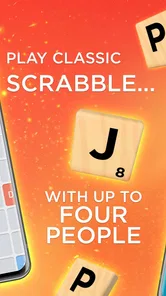
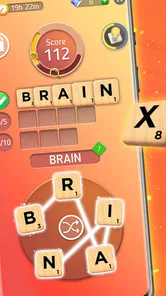
Scrabble® GO is a mobile word game based on the classic Scrabble board game. You make words from letter tiles, place them on a shared board, and score points based on the letters used and the board’s bonus squares. The app also offers other word-game modes and social features, so it can suit both players looking for a traditional match and those who want shorter, varied challenges.
Yes. Scrabble® GO is designed for online play, and you can challenge friends or be matched with other players. Matches are typically turn-based, so you and your opponent do not need to make moves at the same time. Availability of specific social or matchmaking options may depend on your account, app version, and connection, so check the in-game settings before sharing personal details or inviting contacts.
An internet connection is generally needed for the main experience, including online matches, account features, and syncing progress. This means the game may not be fully playable when you are offline or have an unstable connection. If you plan to play while traveling, open the app beforehand and check which features remain available without a network connection; do not assume that an active match or saved progress will work offline.
Scrabble® GO is generally free to download, but the app may include advertisements and optional in-app purchases. Purchases can relate to items, boosts, or other game content, and the exact options may change over time. You can enjoy word matches without necessarily buying anything, but consider reviewing the store listing and your device’s purchase controls, especially if children use the device or payment details are saved.
The word-game format can be suitable for a wide range of ages, but parents should review the app’s current age rating and privacy information before installing it. Online play and social features may involve interaction with other players, while ads or optional purchases may also appear. Use device-level parental controls, restrict purchases where appropriate, and check the game’s settings to understand available chat, account, and privacy options.
On Android, Scrabble® GO – Fun with Words! asks for these permissions.
Scrabble® GO – Fun with Words! is also available in 2 other languages on our site.
4.6 out of 5
605,183 reviews
Word · Scopely
Word4.8 out of 5
Word4.7 out of 5

Word4.9 out of 5

Word4.9 out of 5
Word4.8 out of 5

Word4.8 out of 5

Board4.6 out of 5

Action4.7 out of 5
Card4.5 out of 5
Board4.5 out of 5
Word4.7 out of 5

Word4.5 out of 5

Word4.9 out of 5
Word4.7 out of 5
Word4.8 out of 5
Word4.7 out of 5
Word4.9 out of 5
Word4.9 out of 5
Word4.9 out of 5
Word4.5 out of 5

Word4.1 out of 5
Word4.9 out of 5



Gamesive reviews games on its own and is not paid by developers for scores. We do not host game files: the download buttons open the official Google Play and App Store pages. Names, icons and screenshots belong to their owners.