Solitaire - Classic Card Games
Card4.9 out of 5
For Android & iOS · MagicLab
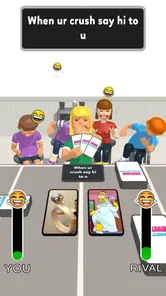
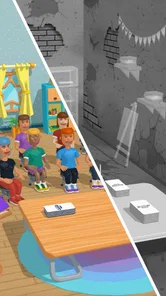
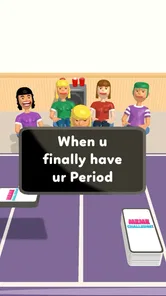
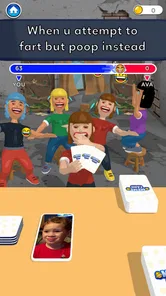
 Analysis by Gamesive
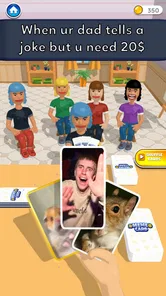
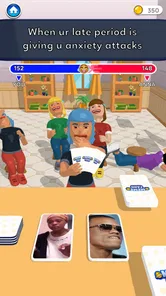
I like card games that give me a reason to laugh at the table, and Meme Challenge: Dank Memes is built around that kind of quick, social amusement. Its appeal is less about mastering a deep strategy system and more about making a funny choice, seeing how it lands, and sharing the moment with other people. That makes it an easy game to consider for a casual break, though it is not the right fit if you want a serious solo card game or a tightly competitive challenge.
Made by MagicLab, this free card game invites players to create memes and compete for the laugh. The core idea is immediately approachable: look at the material in front of you, decide what combination or response seems funniest, and enjoy the result. The humor is the main event, so the experience depends as much on your taste and the people you play with as it does on the game itself.
That social dependence is worth understanding before installing. A meme that gets a big reaction from one group might fall flat with another, and a round can feel less lively when players have very different senses of humor. I would treat it as a party-style game to bring out when friends are in the mood to be silly, not as a dependable source of entertainment for every quiet moment.
The game has a Teen content rating, which is a useful signal for families deciding whether it suits younger players. Meme humor can still be edgy or context-sensitive, so I would not assume the rating means every joke will work for every household. If you plan to play with teens or a mixed-age group, it is sensible to join in and see how the humor feels in practice.
The strongest use case is a short social session: a few friends are together, nobody wants to learn a complicated game, and a funny prompt is more appealing than another round of a conventional card game. It can also suit a group chat or casual get-together where people already trade memes and enjoy judging each other’s sense of humor.
By contrast, if you usually play card games alone, prioritize careful planning, or want a long progression loop, this concept may feel thin. Its fun comes from the people interpreting the humor, not from an elaborate strategic puzzle. I would choose a traditional card battler or a more substantial party game when the group wants depth, a clear competitive arc, or rules that matter more than the punchline.
Imagine friends waiting for food to arrive or winding down after a film. Rather than start a game that needs a long explanation, someone opens this one and invites the group to make a quick round of meme choices. The practical advantage is low commitment: people can join the joke without first studying a complicated rulebook. The trade-off is that the game’s energy depends on everyone being willing to participate and react; a distracted group can make even a funny setup feel quiet.
For the best chance of a good session, I’d pick a moment when people can actually pay attention to each other, rather than trying to keep a round going while everyone is busy. I’d also set expectations: the point is to make each other laugh, not to prove that one person has objectively superior taste. That small adjustment helps keep the humor playful when a choice misses.
Compared with a standard digital card game, this one puts comedy ahead of deck-building, tactical decisions, or long-term mastery. Compared with a traditional party card game played around a table, it offers a phone-based way to bring meme-making into the activity, but it still needs the same ingredient as any humor game: people who enjoy the material and are happy to take turns being judged.
That distinction matters if you are choosing between it and a familiar alternative. Pick a strategy-focused card game when you want decisions to reward practice. Pick a word or trivia party game when your group prefers clear right answers or a broader subject than meme humor. Choose this when the group is already comfortable joking around and wants the game itself to be a prompt for that banter.
The game was released on August 26, 2022, and its current version is 2.8.7. Those details establish that it has continued to receive version updates since its launch, but they do not tell me what changed in each release. I would not infer new modes, cards, interface improvements, or specific fixes from the version number alone.
For someone who already plays, the most useful way to think about the current version is simply that it is the present build to check before starting a session. If a friend is running an older installation, it is sensible to make sure both players are up to date through their app store before arranging a group game. That is practical preparation rather than a claim that a particular update changed how matchmaking or play works.
The game has an average rating of 4.5 from around 201,000 ratings, alongside roughly 5,300 written reviews, and it has passed 10 million installs. That suggests it has found a sizeable audience, but popularity cannot guarantee that its particular humor will suit your group. I read those figures as evidence that many people have tried it, not as a substitute for deciding whether meme-based play is your kind of fun.
The game is free to download, with in-app purchases priced from $2.99 to $3.99 per item. That makes it easy to try without paying upfront, but I would look carefully at any purchase prompt before spending. A free starting point is useful for testing whether your friends enjoy the format; it is not a reason to buy something before you know the game earns a place in your routine.
It requires Android 8.0 or later, so checking the operating system on an older phone is a sensible first step. If you are choosing a game for a group, device compatibility is worth settling before everyone gathers, especially when a shared activity depends on several people being able to join. The available platform details here are specific to Android, so iPhone users should check their own app store for current availability and requirements rather than assuming the same version information applies.
First, try it with people who already enjoy sending or discussing memes. Familiarity with meme humor gives everyone a better starting point, while a group that dislikes online jokes may not warm to the premise. Second, use it as a short activity rather than expecting it to carry an entire evening. A few rounds can be a fun change of pace; stretching the same joke format too long risks making the session feel repetitive.
Third, make room for different tastes. If a player’s choice gets no reaction, treat that as part of the joke rather than a reason to criticize them. This is a small social detail, but it can decide whether a casual game stays friendly. Finally, check the purchase screen and age suitability before handing the phone to someone younger. Those steps are more useful than assuming every group will respond to the game in the same way.
The release and version details give a useful snapshot of where the game stands, but a version number alone does not explain the evolution of its play. I would watch future release notes for clear descriptions of changes that matter to current users, such as adjustments to the way sessions work or improvements to the experience of making and sharing a meme. Until those details are stated, it is better not to treat them as features already present.
The main limitation for me is the narrowness of the premise. Meme humor can be wonderfully immediate, but it is also personal and can age quickly. If you want a game that remains compelling through increasingly demanding challenges, or one that works equally well with strangers and close friends, a broader card or party game may be a safer choice. This one is at its best when the group itself supplies the chemistry.
My recommendation is to try it when you have a willing group and want a light, joke-driven card game rather than a deep strategy session. It is free to start, has reached a large audience, and its basic idea is easy to explain in conversation. I would skip it if you prefer quiet solo play, dislike meme culture, or need a game whose enjoyment does not rely on the reactions of other people. For the right friends and the right moment, though, it can turn a lull into a shared laugh.
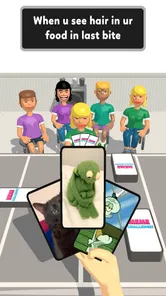
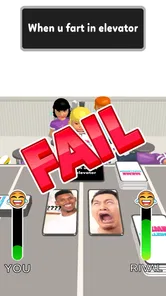
Meme Challenge: Dank Memes is a casual party game built around creating and judging memes. Players typically match captions with images to make funny combinations, then compare entries and choose a winner. Its appeal comes from quick rounds and playful competition rather than complex rules, so it can suit short play sessions with friends. The exact modes and features may vary by version.
The game is primarily designed for social play, where people can share a device or take turns choosing and judging meme combinations. Whether a solo mode, online matchmaking, or particular multiplayer options are available depends on the current version and platform. Check the store listing before downloading if you need a specific way to play, and make sure everyone understands the rules before starting.
The price and monetization can differ between the Android and iOS versions and may change over time. A game listed as free may still include advertisements, optional purchases, or paid content, so review its store page for current details before installing. Also check whether purchases require a password or parental approval, especially if children use the device.
Some versions of party games can be played locally without a constant connection, while features such as ads, updates, online play, or account services may require internet access. The available information can vary by release, so it is best to check the app description and recent user feedback for the version you plan to install. If you intend to play offline, test that before relying on it.
The game uses meme humor, which can include references or language that may not suit every age group. Its content can also depend on player-created or selected captions and images, so adults should review the game and its store age rating before letting children play. Check for in-app purchases and advertising as well, and supervise shared play if you are unsure about the material.
On Android, Meme Challenge: Dank Memes asks for these permissions.
Meme Challenge: Dank Memes is also available in 2 other languages on our site.
4.5 out of 5
200,935 reviews
Card · MagicLab
Card4.3 out of 5
Card4.7 out of 5

Card4.2 out of 5

Card4.6 out of 5
Card4.7 out of 5
Card4.6 out of 5
Card4.9 out of 5
Card4.5 out of 5
Card4.8 out of 5
Card4.8 out of 5
Card4.5 out of 5
Card4.7 out of 5
Card3.9 out of 5
Card4.7 out of 5
Card4.6 out of 5
Card4.5 out of 5
Card4.8 out of 5
Card4.9 out of 5



Gamesive reviews games on its own and is not paid by developers for scores. We do not host game files: the download buttons open the official Google Play and App Store pages. Names, icons and screenshots belong to their owners.