Solitaire - Classic Card Games
Card4.9 out of 5

For Android & iOS · Wizards of the Coast LLC

 Analysis by Gamesive
I enjoy card games that reward careful decisions more than quick reactions, and Magic: The Gathering Arena makes that appeal easy to carry around. It brings the familiar depth of Magic to a phone, but it does not make the game simple: building a deck, reading the board and planning several turns ahead still matter. My overall take is that it is a strong mobile option for anyone who wants real strategic card play in short sessions, provided they are willing to learn its rules and accept that collecting cards takes time.
As a card game from Wizards of the Coast LLC, Arena has a clear advantage over lighter mobile card battlers: its decisions often connect across multiple turns. A creature played now might be a blocker later; a removal spell saved for the right threat can be more valuable than using it immediately. That makes even a compact match feel like a puzzle rather than a simple race to attack.
The phone format works best when I have a few uninterrupted minutes to focus. I can check a hand, consider the opponent’s likely response and decide whether to commit another card or hold back. The interface handles the core flow of play, but the strategic work remains with me. That is the main reason I would choose Arena over a casual card game when I want a match to test my judgement.
It is also a very different kind of mobile entertainment from a quick, low-commitment puzzle. Magic has a large vocabulary of card effects and interactions, and a newcomer may need patience before the board state becomes easy to parse. If you already know the tabletop game, the rules and card text will feel more familiar. If not, expect a learning period rather than an instant, effortless start.
The most useful habit I have developed is to think about what a card does in more than one situation. A strong play is not always the one that uses all the resources available immediately. Sometimes it is better to keep an answer in hand, make a modest move and see what the other player commits. Arena’s appeal comes from those small choices accumulating into a larger plan.
That quality also gives the game replay value. A deck is not merely a pile of cards with high numbers; its parts need to work together. When a strategy comes together, it feels satisfying because the result reflects decisions made during deck construction as well as decisions made during the match. When it does not, the loss can still be informative: I can ask whether the plan was weak, the opening hand awkward or my timing too aggressive.
For a practical example, I might have time for one focused match while waiting for an appointment. I can use that session to test a change to my deck rather than treating every game as a high-stakes event. A useful approach is to change one card or one small part of a plan at a time; otherwise, it becomes difficult to tell what actually improved the deck. That simple testing habit makes the collection feel more purposeful.
New players should treat early matches as practice, not as a verdict on whether they are naturally good at Magic. Card text can contain conditions and timing details that are easy to overlook when several effects are involved. I recommend pausing to read unfamiliar cards carefully and asking what the opponent’s last play changed before taking the next action. That is slower at first, but it builds understanding that carries into later games.
It also helps to focus on one style of deck at a time. Trying to collect and understand every kind of strategy at once can make the game feel like homework. A more manageable route is to pick a plan that sounds enjoyable, learn what its key cards are trying to do and use matches to notice where it struggles. The point is not to copy an expert list immediately; it is to understand why a deck’s pieces belong together.
Because this is a competitive card game, losses are part of the experience. I find it easier to stay engaged when I treat a defeat as a chance to spot one decision I would change next time, rather than assuming the whole deck is useless. That mindset is especially helpful when a match turns on an unfamiliar interaction. Magic can reward persistence, but it is less welcoming if you want every session to feel predictable or relaxing.
Arena is free to play, with in-app purchases ranging from $4.99 to $199.99 per item. That makes it easy to try without paying up front, but the purchase range is worth keeping in mind if you are sensitive to spending prompts or prefer games with a single fixed price. I would set a personal budget before buying anything and first learn which decks and cards you genuinely enjoy using.
The collection side is part of the experience, not a detail to ignore. Building toward a particular strategy can take attention and patience, especially if you are still deciding what kind of player you want to be. I would avoid spending impulsively just because a new card looks exciting. A useful check is to ask whether it supports a deck you already play, or whether you are paying to chase an idea you have not tested yet.
That is a meaningful difference from many simpler card games, where a player can often understand the full set of choices quickly and settle into a familiar routine. Arena offers more room for experimentation, but that breadth can make the collection feel demanding. Players who want a complete, tightly controlled experience from the start may prefer a single-purchase game or a more straightforward mobile card title.
The game is rated Teen, so it is not aimed at very young children. I would also consider whether the person playing is comfortable with competitive matches and a system that encourages ongoing deck-building. The rating is one part of that decision; the strategic complexity and the possibility of optional purchases matter too. For a younger player, it makes sense for an adult to review the app-store purchase settings and decide what boundaries are appropriate.
I would recommend Arena to people who like studying how a deck works, adapting to an opponent and learning from a close loss. It is particularly appealing if you already enjoy Magic and want a digital way to play, or if you have been curious about the game and are willing to approach it gradually. The mobile format makes it convenient, while the underlying strategy gives it more staying power than a game built around a single short-lived trick.
It is less suitable for someone who wants a card game that explains everything at a glance and never asks for long-term attention. If you dislike reading detailed card effects, managing a growing collection or thinking through a turn before acting, a simpler alternative will likely be a better fit. Likewise, if you are looking for a purely solitary pastime, Arena’s central draw is the challenge of playing against other people, not a quiet solo puzzle.
There is also a practical distinction between playing casually and trying to keep up with every possible deck idea. I think the healthier way to enjoy it is to choose a goal—learn the basics, improve one deck or simply play a match when you have time—and let the rest wait. That keeps collection decisions from taking over the fun and makes progress easier to recognize.
Having Magic on a phone is a genuine convenience, but a small screen can make dense board states and card text less comfortable to inspect than they are on a larger display. I would not choose a rushed moment to learn a complicated interaction. When a match gets intricate, taking a moment to read each relevant card is more useful than tapping quickly and hoping the game’s presentation answers every question.
The game’s current version is 2026.65.20.7428, and it requires Android 7.1 or later. It first released on March 17, 2021, so it is an established mobile game rather than a newly introduced experiment. Its average rating is 4.2 from around 301,000 ratings, and it has over 5 million installs. Those figures suggest a substantial audience, but they do not tell me whether its particular mix of strategic depth and collection management will suit you; the deciding factor is whether you enjoy learning a complex card game.
One more trade-off is session length in practice. A match asks for attention, and I would avoid starting one if I know I will need to stop immediately. That is not a flaw unique to Arena, but it matters more here than in a card app built for tiny, interrupted bursts. When I can give a game my focus, the thoughtful turns are the reward; when I cannot, a quick puzzle or a simpler card game is the more sensible choice.
Magic: The Gathering Arena is at its best when I treat it as a serious strategy game that happens to fit in my pocket, rather than as a frictionless time-killer. Its depth, deck-building decisions and satisfying turn-by-turn play make it a compelling choice for Magic fans and curious newcomers with patience. The free entry point helps, but optional purchases and the effort of building a collection deserve a deliberate approach.
I would suggest trying it if you are excited by the idea of learning why one card belongs in a deck and when to hold it back. I would skip it if you want instant mastery, minimal reading or a game that never asks you to think beyond the current turn. For the right player, Arena offers a lot to explore; for everyone else, its complexity is the very thing that can make it feel like work.
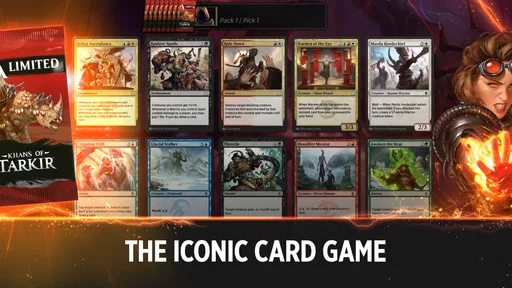
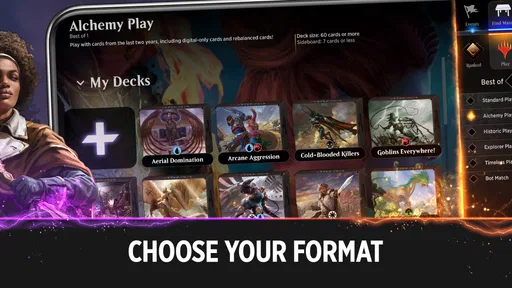
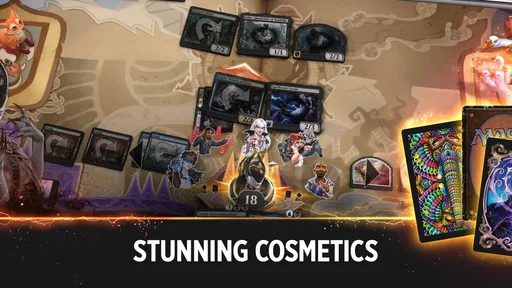
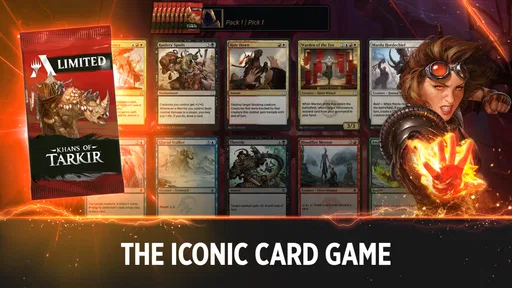
Magic: The Gathering Arena is a digital version of the Magic: The Gathering trading card game. It lets you build decks, collect cards, and play turn-based matches against other players or the computer. The game uses familiar Magic rules, including lands, mana, creatures, and spells, while offering tutorials and guided matches to help new players learn the basics before competing online.
Magic: The Gathering Arena is free to download and play, and you can earn cards and other rewards through gameplay, quests, and events. Optional purchases may provide gems, packs, or access to certain content, but paying is not required to start playing. Progress and collection growth can take time, so check the current in-game offers and reward systems before spending.
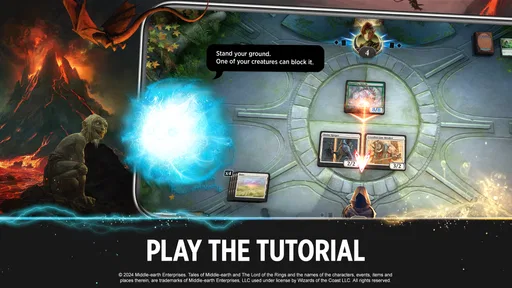
Yes. Arena includes introductory lessons and beginner-friendly matches that explain core concepts such as casting spells, paying mana costs, and attacking or defending. The game can still feel complex because Magic has many cards and strategic interactions, and online opponents may have more experience. Taking time with the tutorials, trying starter decks, and learning one format at a time can make the first matches easier.
Most of Arena’s main features require an internet connection, including matchmaking, events, and collection management, so it is not designed as a full offline game. You can challenge friends through the direct challenge feature, provided both players are online and have compatible game access. Rules, available formats, and account features may change, so check the current client for the options available to you.
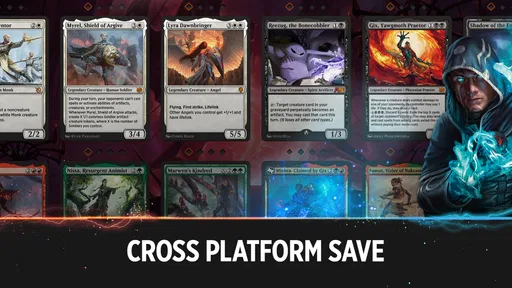
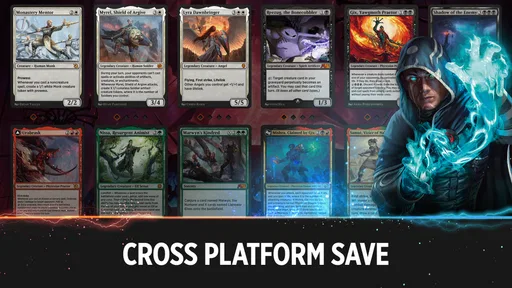
Magic: The Gathering Arena is available on supported Android and iOS devices, as well as other platforms, but device requirements and availability can vary by region and operating system. Linking the game to the same Wizards account can allow your collection and progress to carry across supported platforms. Before downloading, check the store listing for compatibility, required storage, and any regional restrictions.
On Android, Magic: The Gathering Arena asks for these permissions.
Magic: The Gathering Arena is also available in 1 other languages on our site.
4.2 out of 5
301,277 reviews
Card · Wizards of the Coast LLC

Card4.3 out of 5
Card4.7 out of 5

Card4.2 out of 5

Card4.6 out of 5

Card4.7 out of 5

Card4.6 out of 5
Card4.9 out of 5
Card4.5 out of 5
Card4.8 out of 5

Card4.8 out of 5

Card4.5 out of 5
Card4.7 out of 5
Card3.9 out of 5
Card4.7 out of 5

Card4.5 out of 5
Card4.6 out of 5
Card4.5 out of 5

Card4.8 out of 5



Gamesive reviews games on its own and is not paid by developers for scores. We do not host game files: the download buttons open the official Google Play and App Store pages. Names, icons and screenshots belong to their owners.