
Piano Game: Classic Music Song
Music4.0 out of 5
For Android · SYNTHJOY GAMES

 Analysis by Gamesive
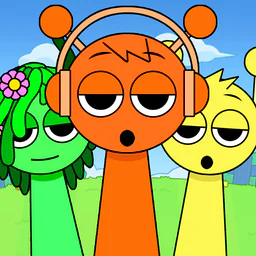
My first impression of Sprunki: Funky Remix Beats is that it wants me to make music by playing, not to study a full production studio. The idea is approachable: try sounds, arrange them into a lively mix, and hear the result take shape. That makes it an easy game to pick up when I have a few spare minutes and want something more hands-on than simply listening to a track.
It is a music game from SYNTHJOY GAMES, available for free, with optional in-app purchases priced at $3.99 per item. Its basic appeal is clear from the start: I’m meant to create my own Sprunki songs. The important question is whether that playful loop suits the way I want to make music. If I’m after quick experimentation and a casual creative outlet, it has a strong case. If I need precise control, polished recording tools, or a structured rhythm challenge, I’d look elsewhere.
The best way to approach the game is to treat the first session as a sound experiment. Rather than expecting a traditional song editor with a long setup process, I’d begin by testing combinations and listening for what feels coherent. The point is not to get every choice right immediately; it’s to discover which sounds work together and which ones crowd each other out.
That makes the first action satisfyingly simple: make a choice, hear its effect, and decide what to change. A small adjustment can alter the character of the mix, so I find it more useful to listen in short passes than to make several changes at once. If the result becomes messy, I can back up and rebuild with a clearer idea of what each addition is doing.
This try-and-listen approach is also a practical tip for anyone who feels unsure about music games. Start with a sparse arrangement, then add elements gradually. It is easier to tell which sound is helping when the mix is not already busy. Once a combination has a recognizable groove, experiment with a contrasting sound rather than piling on additions just because they are available.
The most useful habit is to change one thing at a time. It turns casual tapping into a small creative decision: I can hear whether a new choice adds energy, competes with the existing mix, or changes the mood in a way I actually like. That’s more rewarding than making a string of random changes and hoping the result works.
The game’s appeal depends on immediate musical feedback. I don’t need to imagine what a change might do: I can listen to the developing result and decide whether to keep exploring. That makes the experience accessible even if I have no music theory background. I can judge a mix by whether it sounds fun to me, rather than by whether I know the names of chords or instruments.
There is a trade-off, though. This kind of feedback is about creative exploration, not necessarily about testing timing or mastering a difficult sequence. Players who want a clear right-or-wrong challenge, steadily escalating stages, or a score that measures rhythmic precision may find the experience less demanding than a conventional rhythm game. The satisfaction here comes from shaping a sound, not proving technical accuracy.
I’d also listen for balance instead of judging each sound in isolation. A part that seems appealing on its own can become distracting when it sits beside other choices. If a mix feels crowded, removing something can be as useful as adding a new idea. That simple remove-and-reconsider workflow is a good way to avoid mistaking “more sounds” for “better song.”
For an everyday session, I can imagine opening it during a short break, trying a couple of combinations, and stopping when I find a mix with a distinct mood. It does not need to become a serious project to be worthwhile. That casual scale is a strength for people who want a creative diversion without committing to a lesson or a long play session.
The reward is hearing a personal combination come together. Instead of chasing a conventional prize as the only reason to continue, I’m drawn back by the possibility that the next arrangement will sound better, stranger, or more playful than the last one. That makes the game most appealing to people who enjoy tinkering and can take pleasure in small changes.
It is worth setting expectations accordingly. The game’s premise is about creating songs, but that does not automatically make it a replacement for a music-making app. A dedicated music editor is the better choice if I need detailed control over a composition, a dependable workflow for saving or exporting work, or tools designed for a finished track. Sprunki is better approached as a lightweight musical toy: a place to explore ideas for enjoyment rather than a promise of studio-level production.
That distinction helps answer a common practical question: is it suitable for someone who has never made music? I’d say yes, if the goal is to experiment by ear and enjoy the process. The low-pressure format gives beginners room to try things without needing vocabulary or prior training. Someone who already produces music may still enjoy the playful contrast, but should not expect the control of their usual production setup.
It also makes sense as a shared bit of casual play. I can show someone a mix, ask which direction feels more fun, and make a quick change together. That is a different kind of social use from competing for a score; the focus is on reacting to the sound and making a choice. For a player who prefers solo progression, unlock goals, or a more clearly defined challenge, that loose creative reward may feel too open-ended.
The reset is part of the appeal. Once I’ve made a mix I like, I can treat it as a finished little experiment and start fresh with a different mood in mind. The reason to return is not simply that I have to repeat the same task; it is that a new starting point can lead to a different result. The loop is: choose, listen, adjust, enjoy the outcome, then try a new direction.
That loop works best when I give each session a small intention. I might aim for something lighter, busier, or more dramatic, then judge whether the sounds I choose support that feeling. This is a more useful approach than chasing a perfect arrangement from the first tap. It gives the reset a purpose and makes the next attempt feel like exploration rather than repetition.
Still, open-ended play can lose momentum. If I need levels, explicit goals, or a strong sense of progression to keep going, I may find it hard to decide what to do after I’ve tried the combinations that first caught my attention. In that case, a rhythm game built around songs and performance challenges may hold my interest longer. If I prefer making my own choices, however, the freedom is exactly what gives the game replay value.
Another worthwhile trade-off is between quick fun and careful listening. Rapidly swapping choices can produce amusing surprises, but it makes it harder to understand why a mix works. Slowing down and making one deliberate change gives me more control over the result. I’d use quick experimentation when I want a laugh and a more measured approach when I’m trying to create something I genuinely enjoy hearing.
Sprunki: Funky Remix Beats is a good fit for casual players who like music, enjoy experimenting, and want creative play without a steep learning curve. It may also suit someone who wants a short, low-pressure game to open between other tasks. The Teen content rating is useful to keep in mind when choosing a game for younger players, and the title is free to download, with optional purchases available.
The audience response is mixed rather than universally glowing: it has a 3.5 average from around 4,300 ratings, alongside roughly 40 written reviews. I read that as a reason to match expectations carefully, not as a verdict that the game will suit or fail every player. Its best qualities are tied to whether the core activity—trying sounds and shaping a mix—already sounds enjoyable to you.
For context, the game has passed five million installs, so it has reached a sizeable audience, but popularity alone does not tell me whether its style is the right fit. It was released on July 23, 2025, and version 1.2.7 is the current version. It requires Android 7.0 or later. Those details make it straightforward to assess basic compatibility, while the more important choice is still whether a creative music toy is what I want from a game.
I would skip it if I’m looking for a serious digital audio workstation, a structured instrument-learning course, or a demanding beat-matching test. I’d also think twice if I dislike open-ended play or would rather follow clear objectives than invent my own. In those situations, a dedicated music editor or a conventional rhythm game will probably provide a better-matched experience.
I like the way the game makes each decision audible. Its strongest loop is easy to understand: try a sound, hear the change, keep or rethink it, and begin again with a fresh idea. That is enough to make a short session feel complete without pretending that every player will want to spend hours refining a mix.
My recommendation is simple: try it if you want an accessible, playful way to explore musical combinations and don’t need professional production tools or a strict progression system. Keep your first sessions focused, listen for balance, and let a mix be finished when it feels satisfying rather than endlessly adding to it. If that kind of small creative reward is appealing, Sprunki: Funky Remix Beats is worth a look; if you want precision, lessons, or competitive rhythm challenges, another music game will serve you better.
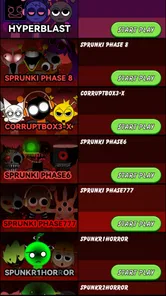
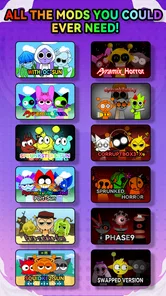
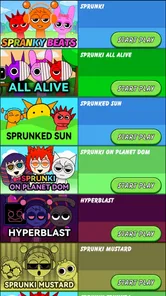
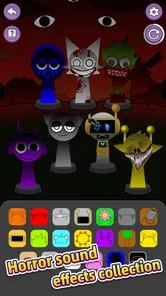
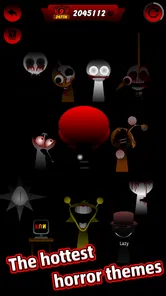
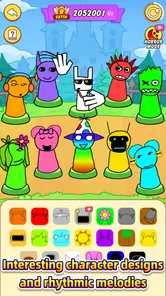
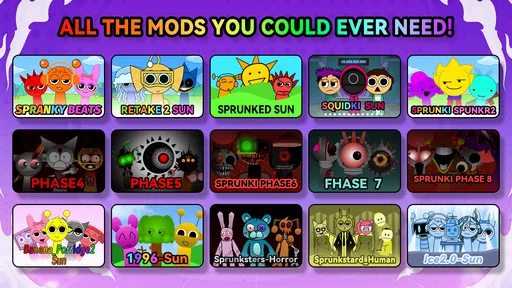
Sprunki: Funky Remix Beats is a music-focused game built around creating lively mixes from a collection of sounds and characters. Its appeal comes from experimenting with different combinations to shape a beat, rather than following a traditional story or playing through long levels. The exact features and content can vary by version, so check the store listing and screenshots to confirm what is included in the edition available for your device.
The basic idea is to select or place sound elements and combine them to make a musical arrangement. Try different combinations to hear how rhythms, vocals, and other effects work together, then adjust your choices to change the result. The interface and controls may differ between releases, so first look for any in-game tutorial or instructions. You do not need musical training to experiment, though headphones can make the individual sounds easier to distinguish.
Pricing, advertising, and optional purchases depend on the specific app listing and version. A title being free to install does not necessarily mean that every feature is free or that the experience contains no ads. Before downloading, review the store page for the price, in-app purchase details, advertising disclosures, and recent user feedback. This is particularly useful when several apps with similar Sprunki names appear in search results.
Offline availability is not guaranteed and can depend on the version, device, and whether the game needs to load content or display advertisements from the internet. If playing without a connection matters to you, check the developer's store description and test the game in offline mode after installation. Also consider that downloading updates or additional content generally requires internet access, even if the core music-mixing activity works without a connection.
Suitability depends on the specific release, its content, and how it handles ads, purchases, and data. Check the age rating, privacy information, developer details, and permissions on the official app-store listing before installing. For children, an adult should review any advertising or purchase options and supervise initial use. Download from an official store where possible, and avoid unofficial files or pages that imitate the game's name.
On Android, Sprunki: Funky Remix Beats asks for these permissions.
Sprunki: Funky Remix Beats is also available in 2 other languages on our site.
3.5 out of 5
4,255 reviews
Music · SYNTHJOY GAMES

Music4.3 out of 5

Music4.6 out of 5

Music3.1 out of 5

Music4.5 out of 5

Music4.2 out of 5

Music3.7 out of 5

Music4.0 out of 5

Music4.6 out of 5
Music4.0 out of 5

Music4.6 out of 5

Music4.3 out of 5

Music4.3 out of 5

Music3.7 out of 5

Music4.4 out of 5

Music4.1 out of 5

Music4.6 out of 5

Music4.5 out of 5

Music4.8 out of 5

Music4.6 out of 5
Music4.0 out of 5


Gamesive reviews games on its own and is not paid by developers for scores. We do not host game files: the download buttons open the official Google Play and App Store pages. Names, icons and screenshots belong to their owners.