
Ball Sort Puzzle - Color Game
Puzzle4.9 out of 5
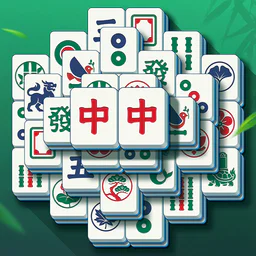
For Android · Mindful Daily Puzzles
 Analysis by Gamesive
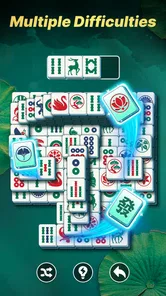
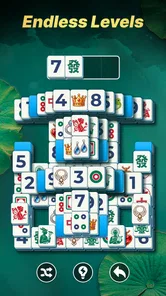
I like mahjong puzzles best when they leave room for a little concentration without demanding a full evening. Mahjong Master: Daily Match is aimed squarely at that kind of play: a tile-matching puzzle you can dip into for a short break, with a relaxed pace and no requirement to be online for every session. Its appeal is straightforward, but the decisions you make while clearing a board give it more texture than a purely mindless tap-through.
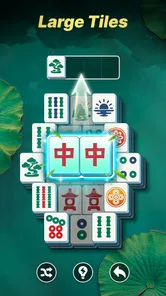
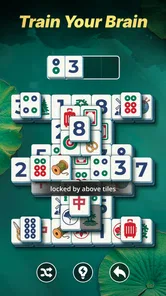
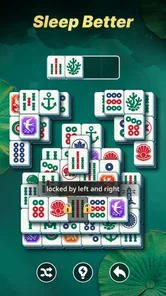
The basic loop is familiar: find matching mahjong tiles that are available to select, then clear pairs until you work through the layout. I find the satisfaction comes from looking beyond the first obvious match. A pair can open access to tiles underneath or beside it, so clearing whatever is easiest is not always the safest move. That small planning element is what makes the game feel like a puzzle rather than just a matching exercise.
In practice, I’d use it in a short, repeatable window: while waiting for a meal, taking a quiet break, or winding down before bed. A useful habit is to scan the whole visible board before making the first move. Identify pairs that are currently free, then notice which ones appear to be blocking other tiles. This takes only a moment, but it can prevent a promising layout from narrowing too soon.
The game is free, and its Everyone age rating makes it an easy recommendation for casual play across a broad audience. The developer is Mindful Daily Puzzles, and the game sits in the puzzle category rather than trying to combine mahjong with a large collection of unrelated modes. That focus is a strength if you want a familiar tile puzzle without a lengthy tutorial or a complicated setup.
My most useful baseline routine is to pause briefly before each pair, especially when several matches are available. Look for a move that reveals or frees more of the board, rather than choosing a pair simply because it is nearest to your thumb. When two choices seem equally good, I prefer the one that leaves more visible options for the next turn. It is a simple way to make the board feel less like guesswork.
That approach also helps when playing on a small phone screen. Instead of tapping quickly across the layout, I keep my eyes on one region at a time and check the edges before committing. A quick scan of the sides can reveal that a tile is blocked even when its match looks obvious. This is not a secret mechanic; it is a practical way to reduce misclicks and avoid spending a move on a pair that does little to open the puzzle.
Because the game can be played offline, it suits places where a connection is unreliable or inconvenient. I would still treat offline play as a convenience rather than a promise that every part of an app behaves identically without internet access. For the core idea of making tile matches, though, being able to play away from a connection is a meaningful advantage over puzzle games that depend on being online throughout a session.
Before settling into a routine, I’d take a moment to look through the available settings and make the controls comfortable for the device in hand. Screen brightness, sound level, and notification interruptions are worth considering as part of the play environment, even when they are managed through the phone rather than the game itself. I would not assume that a particular control, hint system, or accessibility option exists unless it is visible in the installed version.
A practical habit is to decide in advance whether a session is for relaxation or for careful solving. If I’m playing to unwind, I let myself take a more obvious match and accept that the board may become harder later. If I want to solve methodically, I slow down and look for moves that open the most choices. Mixing those goals can be frustrating: a relaxed session is not the right time to judge every move, while a deliberate solve loses its appeal if I rush it.
It is also worth checking how the game behaves when you leave it and return. On a busy day, interruptions are normal, and a puzzle is more enjoyable when you can pause your attention without feeling obliged to finish immediately. I make a habit of stopping at a natural point rather than tapping through in a hurry, which helps keep the game’s calm quality intact.
Experienced players can build speed through a repeatable scan: check the most open areas first, identify several available pairs, and then choose the one that seems likely to expose useful tiles. The point is not to calculate every possible continuation. It is to avoid tunnel vision. Once one match is made, the board changes, so I scan again rather than carrying an old plan forward automatically.
Another useful pattern is to notice pairs that are both accessible but have different strategic value. If one match clears a tile that appears to constrain several others, it may be better than a pair in an open corner. On the other hand, when I’m playing casually and the layout already looks manageable, taking the easy pair can keep the session flowing. The best choice depends on whether I’m protecting future options or simply enjoying a low-pressure round.
These habits are especially helpful when replaying the same kind of puzzle experience over multiple short sessions. I try to keep the process consistent: scan, choose, rescan. That routine is more useful than tapping faster, because speed without attention can remove the wrong pair and leave fewer visible choices. If you enjoy improving through better decisions rather than chasing a timer or a score, this style of play should suit you.
Mahjong Master is not the right fit for everyone. If you want a deep strategy game with a long campaign, elaborate character progression, or a constantly changing mix of puzzle formats, this focused tile-matching experience may feel narrow. It is also not ideal if you dislike puzzles built around visual scanning and repeated pair selection. The pleasure here is in making a familiar board work, not in discovering a complicated new ruleset.
Compared with word puzzles, number grids, or match-three games, mahjong asks for a different kind of attention. You are identifying matching symbols while keeping track of which tiles can be selected and which are obstructed. That makes it a pleasant alternative for someone who wants visual pattern recognition without the pressure of fast reactions. But if you prefer a puzzle that gives a strong narrative goal or a very explicit step-by-step challenge, another genre may be more satisfying.
There is also a natural trade-off in the relaxed format. A calm pace makes it easy to fit into everyday life, but players who need a strong sense of progression may want more than a succession of boards. I would choose it for a quiet mental reset, not as my only game when I’m looking for long-term competitive goals. Keeping that expectation clear makes the experience easier to enjoy.
The game has a 4.9 average from around 464,000 ratings, with about 3,300 written reviews and over 10 million installs. Those figures suggest that its simple premise reaches a large audience, but they do not tell me whether every player will enjoy the same pace. I’d treat that popularity as reassurance that the basic format is well understood, not as a guarantee that it will satisfy someone seeking a more demanding or varied puzzle game.
The current version is 1.36.0, and the stated minimum operating system is 7.1. The release date is January 22, 2026. Those details are useful when checking whether the game is suitable for a device, though the actual experience can still depend on the device and its settings. The app’s free price also lowers the barrier to trying it, especially if you already know you enjoy tile puzzles.
My verdict: Mahjong Master: Daily Match is a good choice for a low-pressure puzzle habit built around observation and sensible sequencing. I’d recommend it to someone who wants a quick offline-friendly game and enjoys spotting which match will open the board most effectively. I’d steer a player looking for a broad campaign, intense competition, or frequent changes in mechanics toward a different kind of game.
For the best experience, give each board a brief scan, choose with the next few options in mind, and decide whether you’re playing to relax or to solve carefully. That small routine brings out the game’s strongest quality: it turns a familiar matching idea into a quiet exercise in attention, without asking for more time or commitment than a casual break can offer.
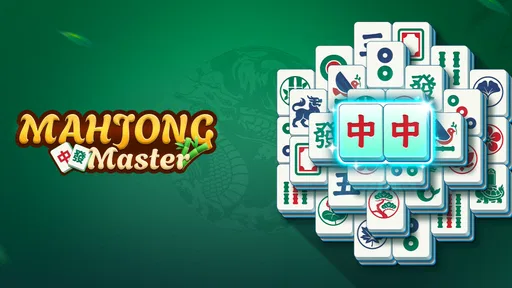
Mahjong Master: Daily Match is a casual puzzle game built around matching identical mahjong tiles and clearing them from the board. It is designed for short sessions, with daily challenges offering a fresh reason to return. Before downloading, keep in mind that the exact modes, tile layouts, and progression features can vary by version, so check the app-store listing and screenshots for details about the current release.
In a typical round, you select two matching tiles that are available to play, then continue pairing tiles until the board is cleared. A tile is usually available only when it is not covered and has at least one side free, though the game’s tutorial explains its precise rules. Take a moment to study the layout before making a match; choosing pairs carefully can prevent you from leaving useful tiles blocked.
The app may be offered as a free download, but free-to-play games can include advertisements, optional purchases, or features that require an internet connection. Availability and pricing can also differ between Android and iOS, and may change over time. Review the store page before installing to confirm the current cost, in-app purchase information, age rating, and any conditions attached to optional content.
Daily challenges and other online features may need an internet connection to load or record progress, while some basic puzzle play may be available offline. Offline access can depend on the version and on whether a level has already been downloaded. If you plan to play while travelling, check the app’s store description and test it without a connection beforehand rather than assuming every mode will work offline.
Confirm that your device meets the app’s current operating-system requirements and that you have enough storage for installation and updates. Also review the developer information, recent user feedback, privacy disclosures, and permissions requested by the app. These details help you understand how the game handles data and whether its ads or optional purchases suit you. Download it only through an official app store or another trusted source.
On Android, Mahjong Master: Daily Match asks for these permissions.
Mahjong Master: Daily Match is also available in 2 other languages on our site.
4.9 out of 5
464,099 reviews
Puzzle · Mindful Daily Puzzles

Puzzle4.8 out of 5

Puzzle4.9 out of 5

Puzzle4.7 out of 5

Puzzle4.8 out of 5

Puzzle4.8 out of 5

Puzzle4.9 out of 5
Puzzle4.9 out of 5

Puzzle4.3 out of 5

Puzzle4.4 out of 5

Puzzle4.7 out of 5

Puzzle4.8 out of 5

Puzzle4.8 out of 5

Puzzle4.1 out of 5

Puzzle4.9 out of 5

Puzzle4.8 out of 5

Puzzle4.9 out of 5

Puzzle4.9 out of 5

Puzzle4.9 out of 5



Gamesive reviews games on its own and is not paid by developers for scores. We do not host game files: the download buttons open the official Google Play and App Store pages. Names, icons and screenshots belong to their owners.