Trivia Master - Word Quiz Game
Trivia4.5 out of 5

For Android & iOS · PrizePool Studios
 Analysis by Gamesive
I like a trivia game best when it turns a spare minute into a small, satisfying challenge without demanding a long session. Logo Quiz - World Trivia Game is built around that simple appeal: recognize a familiar brand from its logo and work out its name. It is an easy premise to understand, but the fun depends on how well you know the visual shorthand used by companies around the world. My overall take is that it suits casual players who enjoy quick recall and friendly competition with themselves, while people looking for deep trivia, a story, or elaborate game systems may soon want something else.
As a trivia game from PrizePool Studios, this is a focused alternative to quizzes that jump between history, science, sport, and general knowledge. The subject gives every question a visual anchor. Instead of retrieving a date or a name from a broad pool of facts, I have to connect a symbol, lettering, or familiar design to the company I associate with it. That makes each answer feel less like a test and more like a moment of recognition.
The strongest part of the format is how naturally it fits short breaks. I can imagine opening it while waiting for a drink, taking a few guesses, and putting it away without needing to remember a complicated plot or plan a long play session. That makes it approachable for younger players and adults alike, though the Teen content rating is worth keeping in mind for families choosing games together.
Logo quizzes also have a nice social quality. A logo that seems obvious to one person can leave someone else completely blank, depending on what products or companies they encounter in everyday life. I would use it as a relaxed challenge with a friend or family member: look at a logo, say the first name that comes to mind, then compare answers. It works particularly well when nobody treats a missed answer as a serious failure.
The game has broad reach, with more than 10 million installs and an average rating of 4.8 from around 222,000 ratings. Those numbers suggest that the basic idea has found a substantial audience, but they do not guarantee that every player will enjoy the same pace or topic mix. The important question is whether you like visual recall and are willing to meet brands you may not know.
Logo recognition tests a kind of memory that people use without thinking about it. I may recognize a familiar shape instantly in a shop or on a package, yet struggle to name the company when the logo is presented on its own. That little gap between recognition and recall is exactly where the quiz format becomes interesting. The game can make an ordinary visual detail feel like a puzzle, even when the answer belongs to a company I see regularly.
There is also a useful distinction between knowing a brand and knowing its current design. Companies change logos, simplify them, or use different versions in different settings. A player who remembers an older mark may hesitate over a newer-looking one, while someone younger may know the contemporary design but not the legacy version. That generational mismatch is not necessarily a flaw; it is part of what makes the game a good conversation starter. It does mean that a wrong guess does not always indicate poor general knowledge.
For a practical approach, I would avoid rushing through every question as if speed were the point. First look at the most distinctive shape or letter, then consider where you have seen it: food packaging, clothing, electronics, transport, or a phone screen. That method turns a vague guess into a more deliberate one and gives the game a bit more mental texture. It is a simple habit, but it helps make logo trivia feel like observation rather than random guessing.
The same narrow focus that makes the game easy to pick up can also limit its staying power. If I am not interested in brands, or if I already know many of the logos that appear, the central challenge may start to feel repetitive. This is not the best choice for someone who wants every round to introduce a new subject or teach a wide range of facts. A general-knowledge quiz is a better fit when variety matters more than visual recognition.
Familiarity is also uneven. A logo can be instantly recognizable in one region or age group and obscure in another. That can make a question feel fair to one player and arbitrary to someone with a different background. I would not use a missed answer as proof that a player is inattentive or uninformed; often it simply reflects which brands they encounter in their daily life.
Another trade-off is that logo trivia rewards recognition more than explanation. Naming a company does not necessarily teach me what it makes, how it began, or why its identity looks the way it does. Players who enjoy learning a short fact after each answer may prefer a more educational quiz, while those who want a quick “I know that one” moment are likely to be more satisfied here. The appeal is the act of identifying, not a deep lesson about branding.
It is free to start, but it includes optional in-app purchases priced from $0.99 to $49.99 per item. I would treat those purchases as something to review carefully rather than assume they are necessary to enjoy the basic idea. If you are downloading it for a child, or sharing a device, it is sensible to check purchase settings before handing it over. That is ordinary good practice for a free game with paid items, not a reason by itself to avoid it.
I would recommend it to casual trivia fans who like visual puzzles, people who enjoy comparing brand knowledge with friends, and anyone who wants a lightweight game that does not require a long commitment. It can also suit a short solo session when I want something more engaging than scrolling but do not have enough time for a substantial game. Its appeal comes from quick recognition, so it is especially well matched to players who notice packaging, storefronts, apps, and advertising around them.
It is less suitable for someone who dislikes commercial logos as a subject, wants a rich single-player progression, or expects every question to broaden their knowledge in a meaningful way. If you prefer word puzzles, a word game may offer more satisfying deduction. If you want broad subject coverage, a general trivia game is the stronger alternative. And if competition is the main draw, a quiz built around direct multiplayer rounds may be a better match than a logo-focused challenge.
For a family or group, I would make it a cooperative guessing game rather than turn it into a test of who knows the most. One person can describe what they notice without saying the answer, while everyone else takes a guess. That small change makes the game welcoming to players who recognize different brands and keeps the discussion lively even when someone does not know the logo. It is a useful way to get more social value from a simple format.
The game is free, is listed for Android devices running version 6.0 or later, and its current version is 2.0.4. It was released on January 22, 2023, and the store summary identifies it as a logo quiz. Those details make it straightforward to judge whether it fits an older Android device, but I would still check the app store on the device you plan to use for the current compatibility information before installing.
There are around 1,400 written reviews alongside the much larger pool of ratings. I would read recent comments if a particular issue matters to me, especially if I am deciding whether to make purchases or install it for a younger player. Ratings offer a quick sense of overall reception, while written reviews can give more context about what individual players enjoy or find frustrating.
PrizePool Studios is the developer, and the game’s Teen rating is relevant if you are choosing it for a child or setting up a shared device. I would also keep the optional purchases in mind when deciding how it will be used. For a solo adult player who is comfortable with the subject, the setup is uncomplicated: install it, begin guessing, and decide for yourself whether the logo challenge stays fresh.
Logo Quiz - World Trivia Game is at its best when I treat it as a compact recognition game rather than a comprehensive trivia course. Its clear subject makes it easy to start, and its visual prompts can produce satisfying flashes of recall as well as amusing disagreements with friends. The large audience and strong average rating are encouraging signals, but the game’s narrow theme remains the deciding factor: it will click for people who like logos and feel limited for those who want broader variety.
I would try it if you want a casual game for small gaps in the day, or a light group activity built around familiar brands. I would skip it in favor of a broader quiz if I wanted varied subjects, deeper learning, or a more involved challenge. For the right player, this is a simple and accessible way to put everyday visual memory to work; just keep expectations focused on logo recognition, and remember that familiarity depends on what brands you actually know.
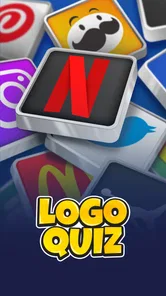
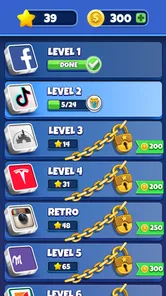
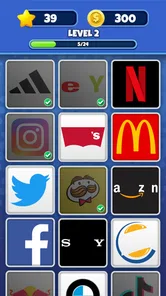
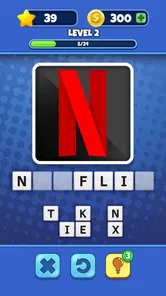
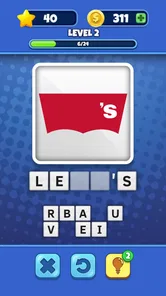
Logo Quiz - World Trivia Game is a casual trivia game built around recognizing brand logos. You look at a logo or a partial image and type the name you think it represents, progressing through collections of puzzles as you answer correctly. It is suited to short play sessions and can appeal to players who enjoy visual quizzes, brand knowledge, and testing their memory. The exact stages and features may vary by version.
The main task is to identify the company, product, or organization shown by each logo and enter its name. Some puzzles may hide or remove parts of the image, so you need to rely on familiar shapes, colors, and lettering rather than a complete design. If you are stuck, check whether the game offers hints or other assistance, and read its in-game instructions because available options can differ between releases.
The game may be available to download at no upfront cost, but that does not necessarily mean every part of the experience is free. Depending on the current edition, you may encounter advertisements, optional purchases, or other limits on hints and progression. Check the Google Play Store or Apple App Store listing for the latest price, in-app purchase details, and supported devices before installing.
Offline availability can depend on the version you install. Logo questions may be playable without a continuous connection once the relevant content is on your device, but features such as advertisements, store purchases, leaderboards, updates, or online events may require internet access. If offline play matters to you, check the app’s listing and test it with your connection disabled rather than assuming every feature works offline.
The basic logo-identification format is generally easy to understand and can be enjoyed by a range of ages, though difficulty depends on how familiar players are with the brands shown. Before downloading for a child, review the store’s age rating, privacy information, advertising details, and any in-app purchases. Also check whether the app requests permissions or includes online features, since these can vary by developer and version.
On Android, Logo Quiz - World Trivia Game asks for these permissions.
Logo Quiz - World Trivia Game is also available in 2 other languages on our site.
4.8 out of 5
222,370 reviews
Trivia · PrizePool Studios

Trivia4.7 out of 5

Trivia4.8 out of 5

Trivia4.4 out of 5

Trivia4.7 out of 5
Trivia4.6 out of 5
Trivia4.4 out of 5
Trivia4.5 out of 5

Trivia4.7 out of 5

Trivia4.8 out of 5
Trivia4.8 out of 5
Trivia4.8 out of 5

Trivia4.7 out of 5

Trivia4.5 out of 5

Trivia4.8 out of 5

Trivia3.8 out of 5
Trivia4.1 out of 5

Trivia4.6 out of 5
Trivia4.8 out of 5



Gamesive reviews games on its own and is not paid by developers for scores. We do not host game files: the download buttons open the official Google Play and App Store pages. Names, icons and screenshots belong to their owners.