
Solar Smash
Simulation4.6 out of 5

For Android & iOS · Raventurn Games

 Analysis by Gamesive
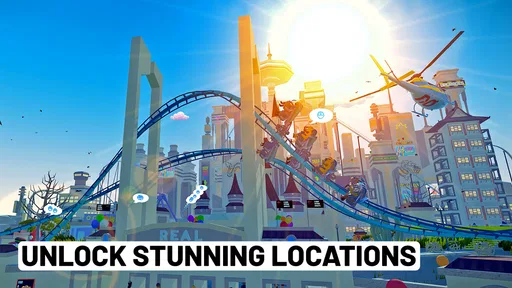
I like idle park games most when they give me a small, satisfying job to do whenever I check in, without demanding that I manage every minute. Real Coaster: Idle Tycoon fits that mood by centering its simulation on roller coasters and the theme parks built around them. Its appeal is less about mastering a complicated management system and more about shaping a park at a relaxed pace, then returning to see how it is coming along. I would recommend it to someone who enjoys incremental progress and coaster-themed creativity, but not to anyone looking for a deep, hands-on simulation.
The basic routine is easy to understand: build roller coasters, develop a theme park, and let the idle-game structure make progress feel suited to brief visits. I find that a clear central activity matters in this genre. Instead of juggling a long list of unrelated tasks, I can focus on the park itself and decide what I want to improve next. That makes the game approachable when I only have a few spare minutes.
My practical advice is to treat each session as a short planning loop. First, look at what the park currently needs; then make one or two useful changes rather than tapping through everything just because it is available. When I return later, I can reassess instead of trying to remember a complicated chain of actions. This habit makes an idle game feel less like a chore and keeps the coaster-building theme in view.
The game is free to download, so it is easy to try without paying upfront. It is a simulation from Raventurn Games, and its Everyone age rating makes it a broadly approachable option for casual play. The key question is not whether you enjoy theme parks in general, but whether you like the slower satisfaction of building and improving one through repeated check-ins.
Idle play suits the idea of a park that gradually grows, but it also changes what “progress” feels like. This is not the same as a coaster-design tool where every curve and launch is the main event. I would approach it as a light management game with coaster construction at its center: make a choice, leave the park to develop, then come back to decide what deserves attention next.
A realistic use case is a quick break between errands or during a quiet moment at home. I can open the game, check the park, make a small improvement, and close it without needing a long uninterrupted session. That is a genuine strength for people who want a game that accommodates their day. If you prefer games that reward sustained concentration with detailed planning, though, this lighter rhythm may feel too hands-off.
One useful habit is to choose a single goal for each visit. It might be to work toward another coaster or to make the existing park feel more developed, depending on what the game currently presents. Keeping that goal narrow helps me avoid aimless tapping and gives each return visit a sense of direction. It is a simple approach, but particularly helpful in idle games, where many small actions can otherwise blur together.
Before settling into a routine, I would take a moment to look through the available settings and make the game comfortable to use. I would not assume that a particular toggle, shortcut, or automation option exists; the useful point is to check what the game actually offers on your device rather than relying on tips meant for another idle title. A comfortable setup matters more over many short visits than it does during a single session.
Real Coaster: Idle Tycoon includes optional in-app purchases, with items priced from $0.99 to $99.99. That range is worth keeping in mind, especially if you are trying the game casually or setting limits on mobile spending. I would begin by playing free and deciding whether the ordinary pace is enjoyable before considering any purchase. Paying should feel like a deliberate choice, not a requirement for getting started.
Parents and anyone sharing a device may also want to consider that distinction: the game is rated for Everyone, while optional purchases are still present. The age rating speaks to the intended content category, not to a spending decision. I find it sensible to review purchase controls on the device itself if a child might play, rather than assuming a broadly suitable rating removes the need for supervision.
The most reliable way I would make progress is through a repeatable check-in habit: decide what matters, make a focused change, and stop when the session has served its purpose. That is not a secret mechanic or an exploit; it is a way to keep the game’s idle structure pleasant. Since the central activity is building a coaster park, a little patience is more fitting than treating every moment away from the screen as lost time.
I would also avoid comparing every choice to an idealized park. A casual simulation is more enjoyable when I treat the layout and growth as something to shape over time, rather than as a puzzle with one perfect answer. If I am unsure what to prioritize, I can simply choose the next improvement that feels most satisfying and see whether that makes the next visit more engaging. That approach keeps the experience personal without pretending there is one universally correct strategy.
For a player who likes switching between games, this routine has another advantage: it gives a clear stopping point. I do not need to turn a short check-in into a long session just to feel that I have played “properly.” If I have a little more time, I can stay and make further changes; if not, I can leave the park and return later. That flexibility is exactly where the idle format is most useful.
Compared with a hands-on theme-park builder, this game puts more emphasis on incremental development than on detailed operational control. That distinction matters. If you want to micromanage every part of a complex attraction or spend most of your time designing intricate coaster layouts, a deeper construction-focused simulation is likely a better match. Real Coaster: Idle Tycoon is more appealing when the idea of gradually growing a coaster-centered park sounds relaxing.
It also differs from a general idle game because its identity is tied to coasters and theme parks rather than a broad business or production theme. That gives the progress a clear setting, which I find more inviting than a collection of disconnected upgrades. Still, the idle structure can become repetitive if you need constant novelty or meaningful decisions every time you open a game. The same simplicity that makes it easy to pick up can limit its appeal for players seeking a demanding management challenge.
The game has an average rating of 4.8 from around 117,000 ratings, alongside roughly 4,000 written reviews. It has been installed more than 10 million times, which suggests that its accessible premise has found a large audience. Those figures are useful context, not a promise that the pace will suit everyone; I would still judge it by whether the relaxed loop matches what I want from a simulation game.
I would point a friend toward this game if they like watching a small project grow over time, enjoy amusement-park themes, and want something that works in short sessions. It may also suit someone who wants a gentler alternative to management games that demand constant attention. The combination of a free starting point and an Everyone rating makes it easy to consider, while the optional purchases are a reason to keep spending intentional.
I would suggest skipping it if your main goal is to engineer detailed coaster tracks, run a complex park with extensive oversight, or experience constant action. The game’s central pleasure is not the intensity of a simulation; it is returning to a developing park and choosing what to improve. That is a specific kind of satisfaction, and it is perfectly reasonable if it is not the one you are looking for.
Real Coaster: Idle Tycoon is currently on version 2.0.25 and requires Android 7.0 or later. Those practical details make it easier to judge whether it fits your device, but the bigger decision is about pace: this is for someone who enjoys short visits and gradual development, not someone who wants a detailed coaster-design sandbox.
For me, its strongest quality is how clearly it gives casual play a theme. I can think about building a coaster park, make a focused improvement, and leave without feeling that I have abandoned a demanding task. The trade-off is that a relaxed idle loop may not provide enough depth for experienced simulation fans who want control over every detail. If that trade sounds fair, I would give it a try, keep purchases optional, and let a few check-ins tell you whether tending this particular park is genuinely enjoyable.
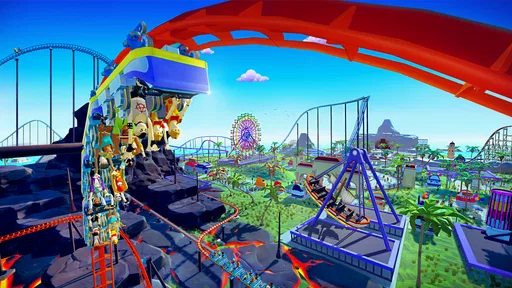
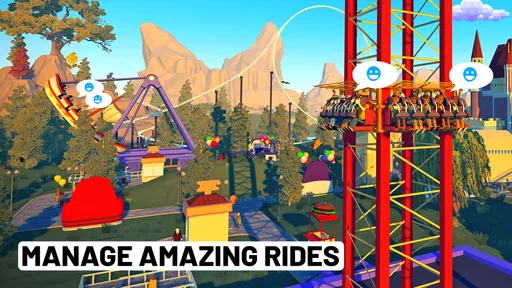
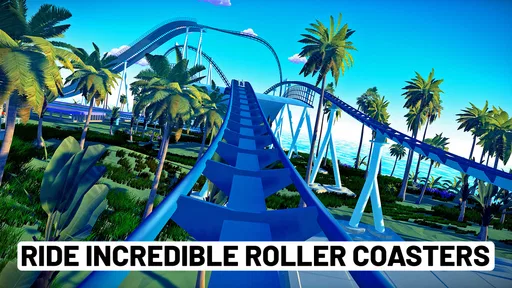
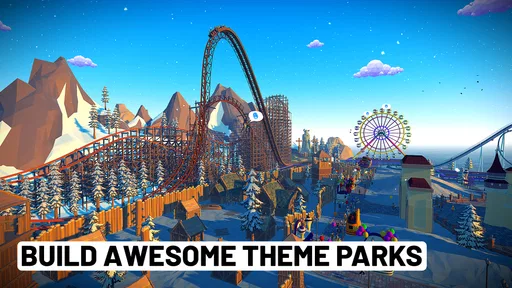
Real Coaster: Idle Tycoon is a theme park management game where you build and improve a coaster park, attract visitors, and earn money from rides and other attractions. You can expand the park, upgrade facilities, and develop roller coasters to increase visitor satisfaction and revenue. Progress mixes hands-on decisions with idle earnings, so the park can continue generating income while you are away.
The game can generally be downloaded and played for free, but it may offer optional in-app purchases, such as items or currency that help speed up progress. Advertising may also be part of the experience, depending on the version and platform. You can usually make progress without spending money, though upgrades and expansion may take time. Check the store listing and purchase settings before downloading or letting someone else play.
Idle earnings are a central part of the game, allowing your park to generate some income while you are not actively playing. When you return, you can collect available earnings and use them to improve rides or expand the park. The amount and limits of offline progress can depend on the game’s current mechanics, so it is worth checking the in-game prompts rather than assuming that every activity continues while the app is closed.
Some parts of the game may be playable without a constant connection, but features involving ads, purchases, cloud services, or online events can require internet access. Availability can also vary between versions and devices. If you plan to play while travelling or with limited data, try launching the game offline first and check which functions remain available. An internet connection is recommended for a smoother experience and access to online features.
The game’s theme park setting and straightforward management mechanics may appeal to younger players, but parents should review the current age rating and store information before installing it. Also check whether the version includes advertising, in-app purchases, or links to external services, and use device-level purchase controls if needed. Gameplay involves managing virtual money and upgrades, so children may benefit from guidance about optional spending and screen time.
On Android, Real Coaster: Idle Tycoon asks for these permissions.
4.8 out of 5
117,467 reviews
Simulation · Raventurn Games

Simulation4.3 out of 5

Simulation4.2 out of 5

Simulation4.4 out of 5

Simulation4.6 out of 5

Simulation4.7 out of 5

Simulation4.5 out of 5
Simulation4.6 out of 5

Simulation4.5 out of 5

Simulation4.4 out of 5

Simulation4.5 out of 5

Simulation4.1 out of 5

Simulation4.4 out of 5

Simulation4.5 out of 5

Simulation2.9 out of 5

Simulation4.5 out of 5

Simulation4.5 out of 5

Simulation4.3 out of 5

Simulation4.5 out of 5



Gamesive reviews games on its own and is not paid by developers for scores. We do not host game files: the download buttons open the official Google Play and App Store pages. Names, icons and screenshots belong to their owners.