
Solar Smash
Simulation4.6 out of 5
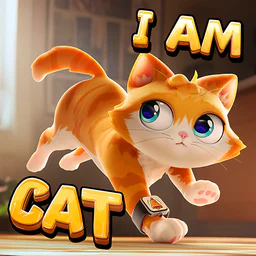
For Android & iOS · Estoty
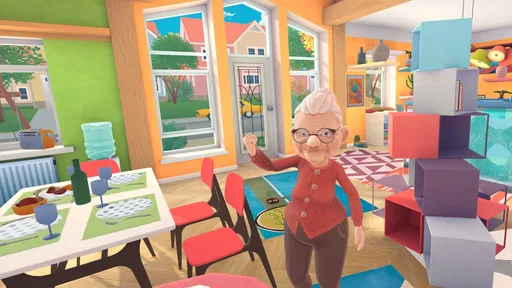
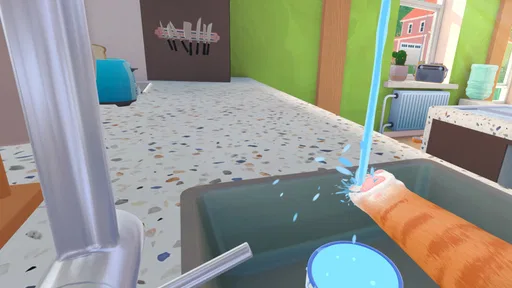
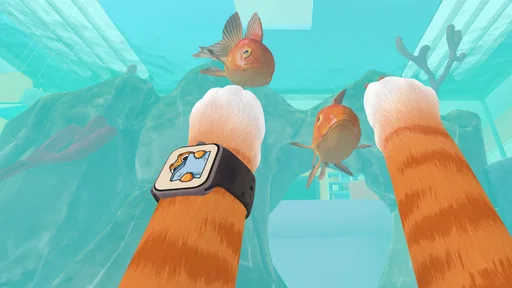
 Analysis by Gamesive
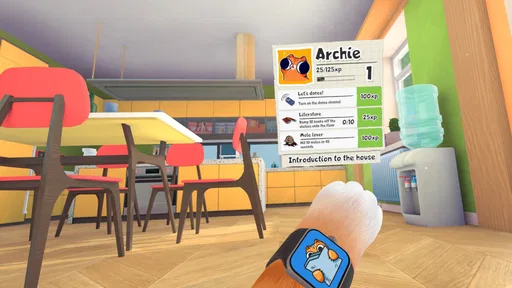
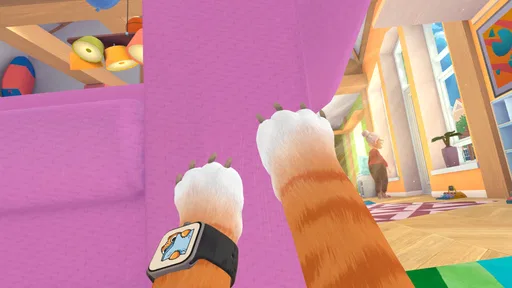
I went into I Am Cat expecting a light simulation built around mischief, and that is the right way to approach it: this is a game about playing a troublesome cat, not a serious pet-care simulator. Its appeal is the simple fantasy of exploring a space from a cat’s point of view and causing a little chaos. If you want something easy to dip into and don’t mind a deliberately silly tone, it has a clear starting point. If you’re looking for deep simulation systems or a tightly guided story, I’d set expectations lower.
As a simulation game from Estoty, it leans on an immediately understandable role: you are the cat, and getting into trouble is part of the fun. That framing makes it easy to pick up without needing to learn a complicated premise first. I found the strongest reason to try it is the mood it offers: playful misbehavior rather than careful management, competition, or a long narrative commitment.
That distinction matters when comparing it with the usual alternatives in the genre. Many simulation games ask you to build, manage, or steadily improve something; this one instead invites you to inhabit a mischievous character. It suits short sessions when you want a bit of amusing escapism. It is less suitable if your favorite part of simulation games is planning a complex routine, optimizing a system, or watching a detailed world respond to long-term decisions.
The game is free to start, with optional in-app purchases priced from $1.99 to $14.99 per item. I’d treat spending as optional rather than a prerequisite for deciding whether the central idea works for you. The audience rating is Teen, so it’s worth checking that age guidance before handing the game to a younger player, even though its cat-focused premise sounds lighthearted.
Before installing, check that your device runs Android 8.0 or later. The game is currently at version 1.1.19, and its listed release date is February 22, 2025. Those details are useful for a practical reason: if a device is older than the stated minimum, it is better to know before you plan a session around it. I’d also make sure you have a little uninterrupted time for the first launch, rather than opening it in the middle of another task and expecting to understand the feel of it instantly.
My advice for the first few minutes is to follow the game’s own opening cues instead of trying to guess every possible interaction. In playful sandbox-style games, newcomers can mistake the freedom to experiment for a need to do everything at once. Start with one clear objective or action, see how the game responds, then branch out. This makes the basic loop easier to read and helps you distinguish intentional cat mischief from actions that simply don’t advance what you’re trying to do.
It also helps to decide what kind of session you want. If you have only a brief break, pick one small thing to try and enjoy the immediate result. If you have more time, use the extra minutes to experiment and learn which interactions feel rewarding to you. That simple split keeps the experience from becoming a vague search for “more stuff” before you have a sense of what the game finds entertaining.
For a first-time player, I’d define success modestly: learn how to make the cat’s troublemaking feel intentional. Choose an action that looks clearly connected to the playful premise, carry it through, and pay attention to the response. The point is not to race toward a perfect run; it is to understand what kinds of small disruptions the game encourages. Once you have that, the central idea starts to feel less like a slogan and more like a way to approach the session.
A realistic everyday use case is opening the game during a short wind-down after school or work. Rather than expecting a major progression milestone in that window, I’d treat it as a compact bit of character play: try one mischievous approach, see what happens, and stop when the joke has landed. That expectation suits the concept better than demanding that every session deliver a substantial new chapter or a measurable achievement.
One useful habit is to change only one thing at a time when experimenting. If an action doesn’t produce the outcome you wanted, try a different approach on the next attempt instead of changing several things together. It may sound obvious, but it makes a playful game easier to understand: you can tell what caused a different response, and you’re less likely to feel that the result was random. This is a practical way to build your own sense of the game without turning it into a checklist.
Another small but valuable tip is to pause before repeating an action that seems to have worked. Notice what happened and whether it was enjoyable, not just whether it counted as progress. In a game whose core pleasure is mischievous role-play, the most satisfying choice may be the one that creates a funny moment rather than the one that appears most efficient. That is where I think it separates itself from simulations that reward constant optimization.
The biggest possible mismatch is expecting a conventional cat game about looking after a pet. The premise is not primarily about feeding, grooming, or building a bond through routine care; the emphasis is on being a bad cat and making mischief. If you came for a calm companion experience, that difference could make the game feel noisy or unfocused. A pet-care title would be the better choice for that mood.
The opposite confusion is assuming that a simple premise means every action will be self-explanatory. A game can be easy to understand at a glance while still asking you to learn its particular rhythm through play. If you’re unsure what to do next, avoid treating that uncertainty as evidence that you have missed a complex system. Return to the playful goal, try a clearly motivated action, and see whether the response gives you a better sense of what the game rewards.
It is also worth being honest about repetition. A mischievous-cat concept can be charming in short bursts, but a player who needs constant new mechanics or a strong long-form plot may want more variety than this style of game naturally promises. I’d recommend sampling it in a relaxed session before deciding whether it deserves a regular place on your device. The premise is the main attraction, so your enjoyment depends heavily on whether that premise continues to make you smile.
Purchases are another point to handle with a little care. The game is free, but individual in-app items range from $1.99 to $14.99. I’d play first and decide later whether anything offered is worth paying for; there is no reason to buy simply because the game presents optional items. If you’re setting it up for a younger player, the Teen rating and the presence of in-app purchases are both worth discussing in advance.
I think I Am Cat is best for players who like comic role-play, enjoy trying small actions just to see what follows, and are comfortable with a game whose central pleasure is causing trouble. It can also work for someone who wants a low-pressure break from more demanding games. Its popularity is substantial: it has passed 50 million installs, with an average rating of 4.5 from around 270,000 ratings and roughly 6,000 written reviews. Those figures suggest a broad audience, though they don’t guarantee that its particular style will click with you.
I’d steer away from it if you want a deep pet simulator, a highly structured campaign, or a game that constantly explains the next objective. Likewise, if you dislike mischievous play as a central theme, the basic premise may wear thin no matter how appealing the cat perspective sounds. A more goal-driven simulation is a better fit for someone who wants clear long-term projects; a gentle animal-care game is a better fit for someone who wants nurturing rather than disruption.
For a first launch, keep the decision simple: install only if your device meets the minimum requirement, give the game a little time to show its style, and judge it on whether the troublemaking is fun for you. Don’t expect it to behave like a realistic account of owning a cat. Think of it instead as a playful character game that borrows the cat’s reputation for getting into places and causing a scene.
I’d recommend trying it if you want a light, mischievous simulation and are happy to learn by experimenting. Its strongest quality is how quickly the premise communicates the kind of mood it aims for; its main limitation is that the same narrow focus may not satisfy players looking for depth, careful progression, or quiet companionship. That is a real trade-off, not a reason to dismiss it outright.
My practical suggestion is to begin with one small act of mischief, pay attention to the result, and let curiosity guide the next attempt. If you find yourself enjoying the reactions and the role of being the troublemaker, keep playing and explore at your own pace. If you’re searching for a different kind of simulation, there’s no need to force it: this one works best when you genuinely want to play the cat causing the commotion.
I Am Cat is a playful simulation game built around seeing the world from a cat’s perspective. You explore indoor spaces, interact with objects, and cause mischief through actions such as jumping, knocking things over, and investigating your surroundings. The appeal is less about completing a serious story and more about experimenting with cat-like behavior, discovering what the environment lets you do, and enjoying the reactions your antics create.
The game focuses on exploring and interacting with the environment rather than mastering complicated rules. You control the cat, move through available areas, and use context-sensitive actions to play with objects or make a mess. New players can generally understand the basic idea quickly, although getting comfortable with movement and interaction may take a little practice. Controls and features can vary by version or device, so check the store listing for details.
Whether I Am Cat is free, contains advertisements, or offers in-app purchases depends on the specific edition and the store where you download it. Before installing, review the current Google Play or App Store listing for its price, purchase options, and any notes about ads. Also confirm the developer and exact title, since similarly named games may have different pricing, features, or monetization.
Offline availability and device compatibility can differ between versions, so it is best not to assume that every edition works without an internet connection. Check the store page for supported Android or iOS versions, device requirements, and any connection requirements before downloading. If offline play matters to you, look for that information in the listing or test the game after installation while disconnected, allowing for any initial setup or updates.
I Am Cat is generally presented as lighthearted, cartoon-style play focused on exploration and harmless mischief, but suitability depends on the child and the exact version. Parents should check the age rating and content information shown by the relevant app store, as well as whether the edition includes ads, in-app purchases, or external links. Reviewing those details together can help set expectations before a child downloads or plays.
On Android, I Am Cat asks for these permissions.
I Am Cat is also available in 1 other languages on our site.
4.5 out of 5
269,585 reviews
Simulation · Estoty

Simulation4.3 out of 5

Simulation4.2 out of 5

Simulation4.4 out of 5
Simulation4.6 out of 5

Simulation4.7 out of 5

Simulation4.5 out of 5

Role Playing4.6 out of 5

Role Playing3.9 out of 5

Role Playing4.7 out of 5
Simulation4.6 out of 5

Simulation4.5 out of 5

Simulation4.4 out of 5

Simulation4.5 out of 5

Simulation4.1 out of 5

Simulation4.4 out of 5

Simulation2.9 out of 5

Simulation4.5 out of 5

Simulation4.5 out of 5

Simulation4.8 out of 5

Simulation4.3 out of 5

Simulation4.5 out of 5



Gamesive reviews games on its own and is not paid by developers for scores. We do not host game files: the download buttons open the official Google Play and App Store pages. Names, icons and screenshots belong to their owners.