Melon Sandbox
For Android · playducky.com
- 4.7 out of 5Rating
- 1.39MReviews
- 100.00M+Downloads
- SimulationGenre
Game details
- Version
- 38.666
- Updated
- Requires
- 7.1
- Price
- Free
- Age rating
- Teen
- In-app purchases
- $0.49 - $259.99 per item
Screenshots
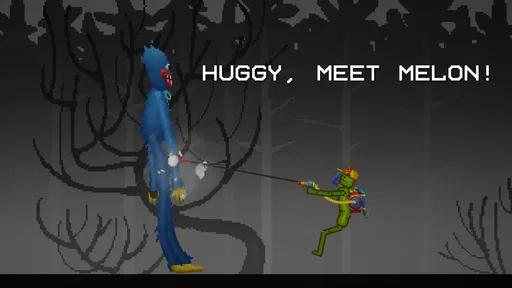
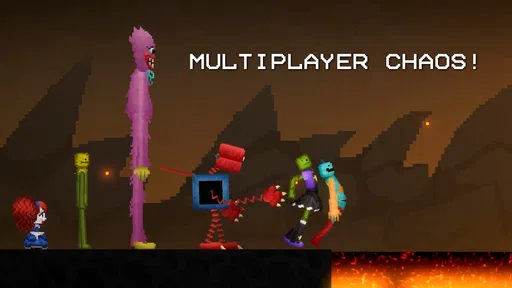
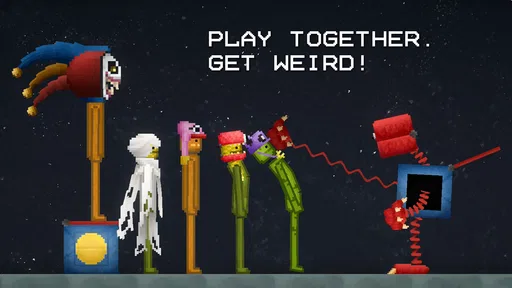
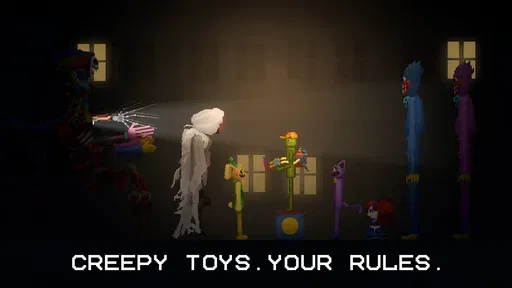
Melon Sandbox review
 Analysis by Gamesive
Some sandbox games are most enjoyable when they leave room for your own ideas instead of pushing you through a fixed sequence of tasks. Melon Sandbox takes that open-ended approach, giving players a playful space to experiment with characters, objects, and imaginative setups. Its appeal is less about reaching a single finish line and more about seeing what happens when you arrange a scene your way.
That freedom is the main reason I’d recommend taking a look at this simulation game. It puts experimentation at the center, so a quick session can become a small creative project—or simply a chance to play around without much pressure. The game is free to download, with optional in-app purchases, and its Teen content rating is worth noting for families choosing games together.
A sandbox built around experimentation
The defining capability of Melon Sandbox is its open-ended sandbox format. Rather than framing the experience around one prescribed objective, it invites you to create situations and explore them. That changes the feel of play: progress is not only about completing something, but also about trying an idea, adjusting the setup, and deciding what to do next.
In a more structured game, you may spend most of your time following objectives laid out by the developers. Here, the creative decision-making belongs more directly to you. You choose what kind of scene to make and how to approach it, which can make the same game feel different from one session to the next. For players who enjoy tinkering, that flexibility is a strong part of the appeal.
The sandbox approach also makes it easy to set your own pace. You might have a particular idea in mind, or you might open the game simply to see what inspires you. There is no need to treat every session as a serious challenge. That informal quality suits short bursts of play, while the freedom to keep experimenting can also make a longer session feel worthwhile.
Its basic premise is easy to grasp, but the experience depends on your willingness to take the lead. Players who enjoy inventing their own activities will likely find plenty to focus on. Those who prefer a clear chain of missions or a story that continually tells them where to go may find the open structure less immediately compelling. The central question is whether making your own fun sounds appealing.
What freedom changes in everyday play
In practice, an open sandbox makes curiosity part of the routine. Instead of asking only what the game wants you to complete, you can ask what happens if you try a different arrangement or build a scene around a new idea. The result is a more personal rhythm: experiment, observe, rethink, and experiment again.
That rhythm is useful because it lets players decide what counts as a satisfying session. A small experiment can be enough; there is no need to turn every visit into a large undertaking. If an idea works for you, you can spend more time developing it. If it does not, you can move on and try something else. The flexibility keeps the experience from depending entirely on one particular goal.
I find that this kind of design works best when you enjoy playful trial and error. An experiment does not have to produce a polished result to be worthwhile. Sometimes the fun is in setting up a situation and seeing how it unfolds. That makes the game feel less like a test and more like a creative playground, where the process itself can be the reward.
It also changes how replayability works. Rather than relying only on a sequence of stages, a sandbox encourages you to return with a different idea. You bring the variety yourself, which can be satisfying if you like inventing challenges or scenes. On the other hand, players who want the game to supply a steady stream of new objectives may prefer a more guided simulation experience.
Making an idea into a session
A good way to approach the game is to start with one simple thought. Pick a scene or experiment you want to try, then give yourself room to adjust it as you go. Keeping the first idea manageable can make it easier to learn the feel of the sandbox without turning the session into a complicated project.
Once you have a starting point, pay attention to what you enjoy about the process. Maybe it is the freedom to arrange a scene, the curiosity of testing a setup, or the satisfaction of shaping an idea into something that feels like your own. That personal preference can guide what you do next. The game is at its strongest when your choices—not an imposed checklist—drive the session.
This approach is also friendly to players who do not want every mobile game to demand a long commitment. You can drop in with a small goal, spend time experimenting, and stop when you feel finished. If you are in the mood to continue, the open structure gives you room to build on the idea. The game’s pace is therefore more about your own attention than about following a rigid schedule.
For a younger player, or anyone new to sandbox games, it can help to think of the experience as a creative toy rather than a traditional level-based adventure. That mindset sets the right expectations: the enjoyment comes from what you choose to do, and not from waiting for the game to hand you a single correct path. The Teen rating should still be considered when deciding whether it is appropriate for a particular player.
When the open format works best
The strongest scenario for this game is a relaxed session when you want freedom to experiment. It suits players who enjoy creating their own objectives, testing an idea, and changing direction without worrying about a strict campaign. If you like games that leave space for improvisation, the sandbox format gives you a clear reason to spend time here.
It can also be a good fit when you want something that does not require a carefully planned session. You can come in with no elaborate strategy and let curiosity shape what happens. That makes the experience approachable in spirit, even though how much you enjoy it will depend on how comfortable you are setting your own agenda.
By contrast, it may be less satisfying when you are specifically looking for a story-led game or a sequence of clearly defined tasks. An open environment can feel aimless if you expect constant direction. That is not necessarily a weakness; it is a tradeoff built into the format. Knowing what kind of play you want helps you decide whether the game’s freedom is a draw or a frustration.
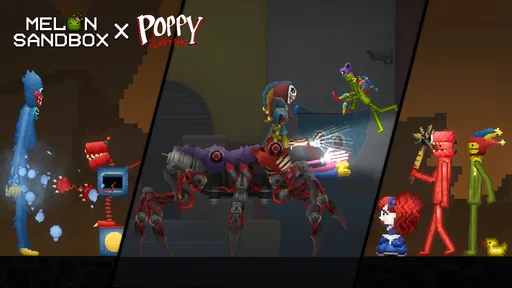
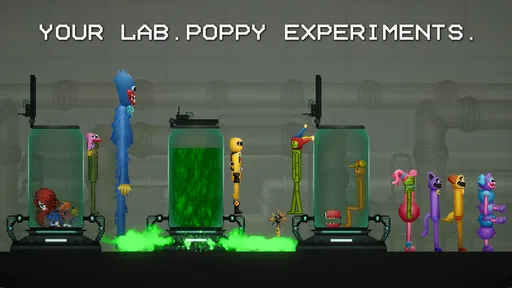
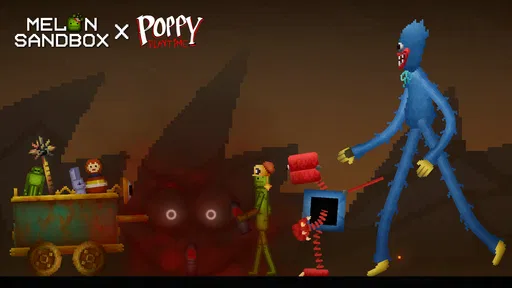
The collaboration highlighted in the game’s store summary also gives the sandbox an extra point of interest: it features a Halloween collaboration with Poppy Playtime™ and exclusive mods. That makes the game’s creative premise especially relevant to players curious about this crossover. It is best treated as an added attraction, while the core appeal remains the freedom to experiment rather than a promise that every player will enjoy the same style of play.
Tradeoffs to keep in mind
Freedom has a cost: the game asks you to supply some of the direction yourself. If you open it without an idea and prefer a clear instruction to follow, you may need time to find a satisfying way to play. The sandbox format rewards initiative, but it will not necessarily suit someone who wants the game to guide every step.
There is also a difference between having many possible ways to play and having a structured progression. A player who values a clear sense of advancement may find open experimentation less motivating. Someone who enjoys revisiting a favorite kind of setup, however, may see the same flexibility as the whole point. Your tolerance for self-directed play matters more here than a conventional checklist of features.
The free entry point makes it easy to try, but optional purchases are part of the experience. In-app purchases range from $0.49 to $259.99 per item, so it is sensible to review purchase settings and discuss spending expectations with younger players. The existence of paid items does not change the central creative idea, but it is a practical consideration for anyone choosing a free-to-play game.
It is also worth keeping the audience in mind. With a Teen content rating, this is not automatically the right pick for every child. Parents and guardians should use that rating as one part of their decision and consider the individual player’s age and preferences. For adults and teens who enjoy open-ended simulation games, the central format is easier to appreciate when they know what kind of experience they are downloading.
In short, the tradeoff is straightforward: you get room to make your own fun, but you need to enjoy doing that work. Players who want a tightly guided adventure may be better served elsewhere. Players who like creative control are more likely to see the open structure as an invitation rather than a lack of direction.
Who is likely to enjoy it most?
Melon Sandbox is best suited to curious players who like experimenting more than following a fixed route. If you enjoy making a plan, changing it halfway through, and seeing where your ideas lead, this simulation game has a natural appeal. It is also a reasonable option for anyone who wants to dip into a game for a short creative session without committing to a long story.
It may be less appealing to players who need frequent objectives or a strong narrative to stay engaged. That audience is not doing anything wrong; they simply tend to prefer a different kind of game. The helpful question before downloading is whether you are happy to create your own reasons to play. If the answer is yes, the sandbox premise gives you room to make each session feel personal.
The game has a broad audience, with over 100 million installs, a 4.7 average rating, and around 1.4 million ratings. Those figures suggest that many players have found something to enjoy in its approach, although your own experience will still come down to whether you like open-ended play. It is free to download, and optional purchases are available.
Final thoughts
As a simulation game, this is at its most compelling when treated as a space for ideas rather than a conventional adventure with one intended route. Its open-ended structure gives you control over the pace and purpose of a session, making experimentation the main event. I’d recommend it to players who like taking a simple concept and seeing what they can make of it.
The format is not for everyone. If you want constant direction, a guided story, or a clearly marked sequence of goals, the freedom may feel less rewarding. But if you enjoy tinkering and prefer deciding what counts as fun, the game’s sandbox approach is a solid reason to give it a try. Keep the Teen rating and optional purchases in mind, then decide whether its self-directed style matches the way you like to play.
What we like
- Creative tools make it easy to build custom scenes.
- A wide range of objects encourages experimentation.
- Physics interactions can lead to surprising outcomes.
- Sandbox play has no fixed objectives or time pressure.
- Community-made content can add variety.
What could be better
- The open-ended gameplay may feel directionless.
- Controls can take time to master on smaller screens.
- Complex scenes may cause performance issues on older devices.
- Some content may require an internet connection.
- Frequent violent imagery may not suit younger players.
Frequently Asked Questions
What is Melon Sandbox?
Melon Sandbox is a physics-based sandbox game where you can create scenes, place characters and objects, and experiment with how they interact. Rather than following a fixed story or set of missions, it gives you tools to build your own scenarios. The experience is open-ended, so much of the fun comes from trying different setups and seeing what happens.
Is Melon Sandbox free to download and play?
Melon Sandbox is generally available as a free download on supported mobile app stores, but availability, pricing, and included features can vary by platform and region. The game may offer in-app purchases, such as optional content or items, and may display ads. Check the current store listing before downloading to confirm costs, age guidance, and any purchase options.
Does Melon Sandbox require an internet connection?
Many of Melon Sandbox’s core sandbox activities can be enjoyed offline after the game has been installed, making it suitable for play without a constant connection. However, an internet connection may be needed for certain store features, updates, ads, or online content if available in your version. Exact behavior can differ between releases, so check the app’s current description.
Is Melon Sandbox suitable for children?
Melon Sandbox includes cartoon-style characters but also allows players to stage violent scenarios and use weapons or other harmful objects. Its open-ended nature means the content depends heavily on what a player chooses to create. Parents and guardians should review the game’s age rating and store listing, consider playing it first, and use device-level parental controls where appropriate.
Can I save creations or share them in Melon Sandbox?
Melon Sandbox is designed around creating and experimenting with custom scenes, and supported versions may provide ways to save or share creations. The exact tools and sharing options can change with updates and may differ across Android and iOS. Before relying on a particular feature, check the menus and current store information, and review any privacy settings before sharing content.
Permissions
On Android, Melon Sandbox asks for these permissions.
- Photos/Media/Files
- read the contents of your USB storage, modify or delete the contents of your USB storage
- Storage
- read the contents of your USB storage, modify or delete the contents of your USB storage
- Wi-Fi connection information
- view Wi-Fi connections
- Other
- view network connections, full network access, control Near Field Communication, control vibration, prevent device from sleeping
User reviews
4.7 out of 5
1,394,430 reviews
- 86%
- 6%
- 3%
- 1%
- 4%
Download Melon Sandbox
Simulation · playducky.com · Free
Games like Melon Sandbox
View all: Games like Melon Sandbox
Kick & Break The Ragdoll Games
Simulation4.6 out of 5

Annoying Uncle Punch Game®
Simulation4.5 out of 5

Solar Smash
Simulation4.6 out of 5

Keyboard Escape: +1 Speed ASMR
Simulation3.4 out of 5
About this listing
- Game
- Melon Sandbox
- Developer
- playducky.com
- Package
- com.studio27.MelonPlayground
- Version reviewed
- 38.666
Gamesive reviews games on its own and is not paid by developers for scores. We do not host game files: the download buttons open the official Google Play and App Store pages. Names, icons and screenshots belong to their owners.