
Offline Games No WiFi internet
Casual4.7 out of 5

For Android & iOS · CrazyLabs LTD



 Analysis by Gamesive
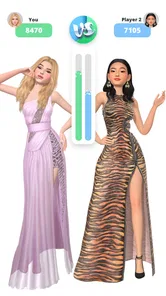
I approached Glow Fashion Idol as a casual fashion game, but what matters most here is not just whether the outfits look appealing. It is whether the styling routine feels easy to follow, comfortable to interact with, and flexible enough to fit into different situations. My impression is that it works best as a light, visual activity: you help clients get dressed for important occasions, make choices from a fashion-focused set of options, and enjoy the transformation. That makes it approachable, though it is not automatically a good fit for every player or every setting.
The premise is immediately understandable: this is a fashion studio, and your job is to style clients for significant moments in their lives. There is no elaborate world or complicated role to learn before the central activity makes sense. I like that directness, especially for someone opening a game for a short break or trying a fashion game for the first time. The client-and-outfit framing gives each styling task a reason to exist rather than making the activity feel like an unconnected dress-up screen.
As a casual fashion game from CrazyLabs LTD, it leans on visual decisions rather than demanding that players master a complex system. That is helpful for newcomers: you can focus on the look you are creating instead of first learning a long list of controls. The trade-off is that players who want deep fashion planning, detailed garment construction, or a complicated creative toolkit may find the central loop too simple. Its appeal is the quick act of putting a look together, not professional-level design work.
For readability, the key question is whether the important choices are easy to distinguish while browsing the available styling options. In a fashion game, visual variety is part of the fun, but it can also make a screen feel busy if every item competes for attention. I would approach each client with one clear idea—such as a polished, relaxed, or celebratory look—rather than tapping through options at random. That gives the session a simple structure and makes it easier to notice which choices actually support the overall outfit.
A useful habit is to pause before finalizing a look and check the whole combination, not only the most eye-catching item. A striking piece can pull attention away from the rest of the styling, while a more restrained choice may make the client’s overall appearance feel coherent. This is a small but practical way to make the game more satisfying without needing extra systems: treat each outfit as a complete composition, and use the occasion as a guide for your decisions.
The game has an average rating of 4.7 from around 202,000 ratings, and it has passed 10 million installs. Those figures suggest that its straightforward fashion premise reaches a broad audience, but they do not tell me whether a particular player will enjoy its pace or visual presentation. I would put more weight on the kind of interaction you want: if you enjoy making quick appearance-based choices, the format is promising; if you need a game built around detailed instructions or extended strategic play, this is a less obvious match.
Because the central task is visual styling, the game may be most comfortable for players who can readily distinguish the on-screen clothes and appearance choices. That does not mean everyone else should rule it out, but it is worth considering how you personally interact with small visual options and changing screens. If you often find image-heavy interfaces tiring, try a brief session first and see whether you can comfortably follow the choices before settling in for a longer one.
Its Everyone content rating makes the subject matter suitable for a broad age range, but an age label is not a promise that every child will find the interface equally easy. A younger player may enjoy choosing outfits, while still benefiting from an adult helping with device settings or purchase controls. I would treat the game’s creative activity and the surrounding device experience as separate questions: the styling itself is family-friendly, while spending decisions still deserve an adult’s attention.
Fashion styling is generally a gentler kind of interaction than a game built around rapid aiming or precise timing, which can make it appealing when you want something less intense. Still, I would not assume that every interaction is effortless for every hand or device setup. If tapping repeatedly or holding a phone becomes uncomfortable, keep sessions short and take breaks rather than trying to push through. The game is better approached as a small leisure activity than as something that needs a long uninterrupted stretch.
For players who are sensitive to visual intensity, the most useful test is personal: open a short session in a comfortable environment and notice whether the changing imagery feels pleasant or tiring. Fashion games depend on seeing outfit differences, so their visual emphasis is central to the experience rather than an optional flourish. I would avoid playing when you are already dealing with eye strain, and I would not choose it as a calming option if bright, highly visual content tends to overstimulate you.
There is also a practical difference between having the freedom to make a style choice and feeling pressure to make the “right” one. I found it more enjoyable to use the occasion as inspiration rather than treating every outfit as a test of fashion expertise. That mindset can make the game less stressful for someone who is unsure what combinations work. If you prefer firm rules, scoring explanations, or step-by-step guidance, a puzzle or structured design game may feel more reassuring than an open-ended styling task.
One useful workflow is to decide on a visual direction before exploring the options, then make only the changes that strengthen it. This reduces aimless browsing and can make the activity easier to manage for players who get fatigued by too many choices. It also helps when playing with someone else: one person can suggest a general mood while the player makes the actual selections, turning a solo styling task into a relaxed shared activity without needing extra equipment or coordination.
I can see this working well during a short wait, a quiet moment at home, or a break between longer tasks. The premise does not ask you to follow a complicated story, so it is easier to pick up when you have limited attention. For example, if I had a few spare minutes while waiting for someone, I would choose one client and focus on building a complete look rather than trying to turn the session into a long play period. That gives the activity a natural stopping point.
It is less suited to situations where you need to keep your attention on the people around you or respond immediately to something else. A screen-based fashion activity still asks you to look closely and make choices, even if it is casual. I would not use it while walking, crossing a street, or trying to participate in a conversation that matters. Its light tone does not make distracted use safe or considerate.
Glow Fashion Idol is free to download, while optional in-app purchases range from $0.99 to $99.99 per item. That is a meaningful consideration for families and anyone who prefers to keep spending tightly controlled. Before handing the device to a child, I would review the app-store purchase settings and agree on a clear rule about buying items. The free entry point is convenient, but it does not remove the need to manage purchases thoughtfully.
The game was released on August 11, 2023, and its current version is 1.2.7. On Apple devices, it requires iOS 11 or later. Those practical details matter if you are installing it on an older phone or setting it up for someone else: check the device’s operating system first, and make sure there is enough comfort with the screen-based interaction. The age rating is Everyone, so the content itself is broadly accessible to families, subject to the usual care around purchases.
Compared with a general casual game, this one is unusually focused on appearance and occasion-based styling. If you want quick reflexes, match-based puzzles, or a goal that can be measured through a clear chain of challenge, a different casual title may hold your attention better. If you enjoy selecting clothes and seeing a client’s look come together, the fashion focus is the point, not a side activity. That distinction is more useful than assuming all casual games offer the same sort of relaxation.
It also sits apart from open-ended dress-up tools that emphasize unrestricted experimentation. Here, the client-and-life-moment premise gives styling a context, which can help when you like having a reason to choose one look over another. The cost is that players seeking a broad design workspace may want more freedom than this kind of guided client setup offers. I would choose it for quick, occasion-led styling, and look elsewhere for a deeper creative sandbox or a game centered on narrative and character development.
One non-obvious way to get more from the experience is to use a personal styling challenge: choose a single principle for a client, such as keeping the outfit coordinated or making one detail the focal point, then see whether the finished look supports it. This adds a little creative intention without inventing extra goals or turning the session into homework. It is especially useful if you like fashion but sometimes feel overwhelmed by a large set of visual choices.
I would hesitate to recommend it to someone who dislikes browsing visual selections, wants highly accessible controls confirmed for a particular need, or finds fashion-focused screens visually tiring. I would also point a player toward a different game if they want a substantial story, tactical depth, or a clearly progressive challenge. Those are not shortcomings for everyone; they are simply different expectations from the kind of experience this title offers.
Likewise, if you are choosing a game for a child, think about both the content and the way the child handles purchases. The Everyone rating is reassuring about the general audience, but the purchase range means it is sensible to set device-level protections before play. For shared play, I would let the child make the style decisions while an adult handles any account or spending settings. That keeps the creative part fun without leaving financial controls to chance.
Overall, I see Glow Fashion Idol as a welcoming choice for people who want a light, visual fashion activity with a clear premise. It is easiest to recommend to someone who enjoys putting together outfits, prefers a gentle alternative to reflex-heavy games, and can comfortably use an image-led interface. Its broad age rating and free download make it easy to consider, while the optional purchases and visual demands are worth thinking through before installing it for a child or a player with specific access needs.
My inclusive verdict is positive but measured: the concept is simple to understand, and its casual styling focus can suit short, low-pressure sessions, yet that simplicity should not be confused with guaranteed comfort for everyone. Try a brief session, check whether the visual choices are easy for you to follow, and decide whether the client-based fashion loop holds your interest. If it does, the game offers a pleasant way to spend a spare moment; if you need stronger structure, less visual emphasis, or more control over the creative process, another kind of casual game will likely serve you better.
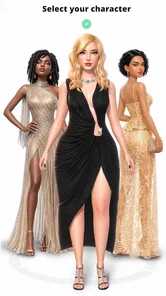
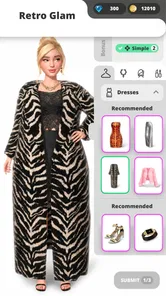
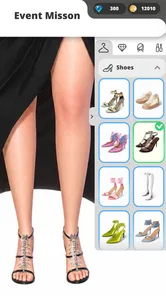
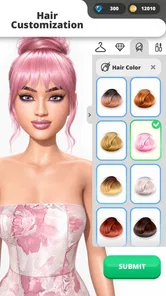
Glow Fashion Idol is a fashion-themed mobile game centered on styling characters and creating polished looks. Players can typically choose outfits, hairstyles, makeup, and accessories, then present their creations in themed challenges or other in-game activities. The exact features and available content may differ by version, so check the game’s store listing and screenshots before downloading to confirm that its style and gameplay match what you are looking for.
Gameplay generally involves selecting a character and assembling a look from the clothing and beauty options available in the game. A challenge may provide a theme or occasion to guide your choices, such as a party or runway event. You can then view the finished styling result and progress through additional activities. Check the current version for the precise controls and modes, as these can change with updates.
Glow Fashion Idol may be available to download without an upfront purchase, but a free download does not necessarily mean every feature or item is free. Mobile fashion games can include advertising, optional in-app purchases, or content that unlocks as you progress. Before installing, review the listing for your device, including its pricing and in-app purchase disclosures, and check your device’s purchase settings if children will be playing.
Offline availability depends on how the current version handles features such as ads, rewards, saved progress, and online events. Some styling activities may work without a connection, while other parts of the game may require internet access. If you plan to play while travelling or have limited data, check the app’s store description and test its basic features with your device offline rather than assuming that all gameplay is available without a connection.
Suitability depends on the game’s current age rating, advertising, purchase options, and any social or online features it offers. Read the rating and privacy information on the relevant app store, and review the permissions requested during installation. If a child will use the game, consider enabling parental controls and restricting purchases. These checks help you decide whether its content and monetization are appropriate for your household.
On Android, Glow Fashion Idol asks for these permissions.
Glow Fashion Idol is also available in 2 other languages on our site.
4.7 out of 5
202,453 reviews
Casual · CrazyLabs LTD

Casual4.2 out of 5

Casual4.3 out of 5

Casual4.6 out of 5

Casual4.8 out of 5

Casual4.6 out of 5

Casual4.7 out of 5

Role Playing4.5 out of 5

Simulation4.5 out of 5

Arcade4.4 out of 5

Action4.5 out of 5
Casual4.7 out of 5

Casual4.6 out of 5

Casual4.2 out of 5

Casual3.2 out of 5

Casual4.7 out of 5

Casual4.7 out of 5

Casual4.3 out of 5

Casual4.7 out of 5
Casual4.5 out of 5
Casual4.8 out of 5

Casual4.6 out of 5

Casual4.9 out of 5



Gamesive reviews games on its own and is not paid by developers for scores. We do not host game files: the download buttons open the official Google Play and App Store pages. Names, icons and screenshots belong to their owners.