
Offline Games No WiFi internet
Casual4.7 out of 5

For Android & iOS · Moon Active



 Analysis by Gamesive
I find Coin Master works best as a small, social break rather than a game to settle into for a long session. Its appeal comes from a simple loop: earn chances to spin, use the results to build up a village, and react when friends’ activity brings an opportunity to attack or collect. That mix makes it easy to understand, but it also means the experience is shaped by waiting, chance, and social competition as much as by planning.
In a household where people share a device or chat about mobile games, this is the kind of title that can become a casual talking point. One person might check in during a quiet moment, then tell someone else about a lucky spin or a village that needs attention. The game’s short actions make those exchanges natural, though they do not turn it into a genuinely cooperative game. The central progress still belongs to the player whose game account is in use.
That distinction matters on a shared phone or tablet. If several people take turns in the same game, they are not simply helping one another with separate progress; they are interacting with one ongoing account and its choices. A well-meaning player could spend resources, alter a village, or use an opportunity the account owner wanted to save. I would agree on who is making decisions before passing the device around, especially if the player cares about keeping a particular plan intact.
For everyday use, I like it more as a quick check-in than as a group activity that demands everyone be online together. A household member waiting for a ride or taking a short break can play independently, while friends provide a social backdrop. If you want a game where a family can build one shared world through coordinated teamwork, this is a less direct fit: its social energy is competitive and individual, not based on a joint project.
There is no need to treat every moment in the game as a strategic meeting, but a little account etiquette helps. On a shared device, decide whether everyone may play freely or whether only the account owner should make lasting choices. If the game is installed on separate devices, keep each person’s account and device use distinct rather than assuming that shared enthusiasm means shared progress. That keeps an impulsive turn from becoming an argument about who used what.
I would also avoid handing over a device with payment settings readily available to a child or another casual player. The game is free to start, but it offers in-app purchases ranging from $0.29 to $374.99 per item. That is a wide enough spread that I would check purchase arrangements on the device itself and make expectations clear before anyone plays. This is practical household housekeeping, not a reason to assume that a purchase will happen; it simply prevents a playful tap from becoming an unpleasant surprise.
One useful habit is to agree on a simple handoff rule: the next person can look around or take a turn, but should ask before spending anything or making a choice the account owner cares about. That is more dependable than relying on everyone to guess which actions are reversible or important. It also keeps the social side friendly, since a game about attacking and collecting can make a careless move feel personal even when it is just part of the play loop.
The most enjoyable coordination is lightweight. I would share the occasional story about a village or a surprising result, rather than trying to schedule a household around the game. The design encourages attention to other players, but that does not mean friends need to be available at the same time. If someone in the group dislikes competitive teasing, it helps to keep attacks in perspective: the game frames them as playful rivalry, but the recipient may not enjoy being targeted repeatedly.
A small practical tip is to decide in advance whether game talk is welcome in the family chat. If it is, short updates can make the game feel social without requiring everyone to install it. If it is not, the same competitive loop may create more noise than fun. This is a title that can prompt friendly banter, but it does not automatically create meaningful cooperation; the household has to supply the tone.
Compared with many casual puzzle games, Coin Master leans less on solving a board or improving a precise skill and more on chance-driven turns, collecting, and rivalry. Compared with a calm building game, it adds the tension of other players entering the picture. That makes it more lively for people who enjoy checking results and reacting to social activity. It is less satisfying if you want every outcome to follow from careful planning or prefer a peaceful game with no adversarial element.
The content rating is Teen, so I would not treat it as an automatic choice for every child simply because the presentation is colorful and the actions are easy to grasp. A parent or guardian should consider the teen rating alongside the child’s maturity and comfort with competitive play. It is also worth discussing the in-app purchase range before play begins. “Free” describes the starting price, not a promise that every optional item costs nothing.
For younger players, I would keep the conversation concrete: the game can invite purchases, and a real-money purchase should never be made without permission. I would also talk about the difference between playful in-game rivalry and how people should treat each other outside the game. Those boundaries matter more in a household where several people know one another than they might in a solitary puzzle game, because a virtual attack can become a recurring joke—or a source of irritation.
Moon Active developed the game, and its long-running presence is reflected in its broad audience: it has over 100 million installs, around 10 million ratings, and roughly 695,000 written reviews. Its average rating is 4.7. Those figures suggest that many players enjoy the formula, but they do not tell me whether it suits a particular household. I would judge it by whether everyone is comfortable with chance-based progress, social competition, and clear spending boundaries.
The game is free, and the listed version is 3.5.2800; it requires Android 7.0 or later. It was released on February 4, 2016, and is classified as a casual game. Those details make it accessible to a broad range of Android users, but the most important question is whether the routine suits you. I would expect to dip in for brief bursts, not to approach it like a deep strategy game with long, carefully planned sessions.
Chance is both the hook and the main limitation. A favorable result can make a short visit feel rewarding, while an unhelpful run may leave you feeling that your progress depends more on luck than judgment. If you enjoy variable outcomes and do not mind a stop-and-start pace, that unpredictability can keep the game fresh. If you want steady, skill-led progress, a puzzle game or a more deliberate city builder may feel fairer and more relaxing.
It is also worth being honest about the social angle: the game can be fun even if friends are not playing alongside you, but its strongest personality comes from the relationship between your progress and other players. Someone who wants a strictly offline, self-contained experience should look elsewhere. Someone who likes a little rivalry, collectible progress, and the ability to check in briefly may find that the same loop fits neatly into spare moments.
I would recommend Coin Master to a teen or adult who enjoys casual, social competition and wants a game that can be played in short visits. It can also suit a household that is comfortable talking openly about account ownership, device sharing, and purchases. The best arrangement is usually for each regular player to keep clear control of their own progress, while treating shared-device turns as a courtesy rather than an invitation to make choices on someone else’s behalf.
I would skip it for anyone who finds random outcomes frustrating, dislikes being drawn into rivalry, or wants a genuinely cooperative family game. I would also be cautious about introducing it to a child without first considering the Teen rating and setting a firm expectation around purchases. Those are not small qualifications: they shape whether the game feels like harmless entertainment or a recurring source of friction.
My overall impression is that its strengths are immediacy and social texture, while its weaknesses are the same elements viewed from another angle: chance can limit a sense of control, competition can wear thin, and optional purchases need sensible boundaries. If those trade-offs sound acceptable, it is an easy game to try in spare moments. If your household values shared goals, predictable progress, or a fully calm play space, a different casual game will likely be a better match.
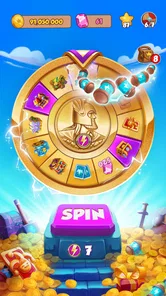
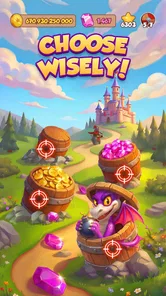
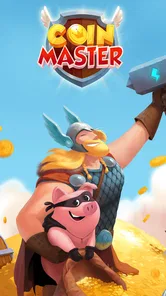
Coin Master is a casual mobile game that combines a slot-machine mechanic with village building and player interaction. You spin to earn coins, shields, attacks, or raids, then use your coins to construct and upgrade buildings in your village. Completing a village lets you move on to the next one. Progress depends on spins and coins, so the game is designed for short play sessions as well as regular check-ins.
Coin Master is free to download and play, and you can earn spins and coins through gameplay and in-game rewards. However, it also offers optional purchases, including items that can help you progress more quickly. You do not have to spend money to play, but waiting for spins to replenish or relying on rewards may make progress slower. Check your device’s purchase settings, especially if children may use the app.
Coin Master generally requires an internet connection to access its online features and keep game progress and events up to date. Activities involving friends, attacks, raids, rewards, or limited-time events may not work properly without connectivity. If you lose your connection, you may be unable to continue until service returns. For the most reliable experience, use a stable connection and confirm that your progress is linked to an available account or supported sign-in option.
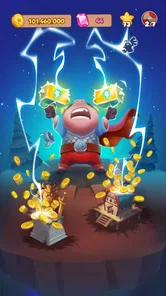
Yes. Attacks and raids are central parts of Coin Master’s social gameplay. Other players can target your village, while your own spins may let you attack a village or raid another player for coins. Shields can help protect buildings from attacks, but they do not prevent every kind of loss. These interactions are part of the game’s normal progression, so expect your village and coin balance to change as you play.
Coin Master provides ways to connect with friends and preserve progress through the sign-in and account-linking options offered in the app, which may vary by device and current version. Linking an account can make it easier to restore your village if you change devices or reinstall the game. Before deleting the app or switching phones, check that your game is connected and that you can access the linked account. Review the app’s permissions and privacy information before connecting a social account.
On Android, Coin Master asks for these permissions.
Coin Master is also available in 2 other languages on our site.
4.7 out of 5
10,429,050 reviews
Casual · Moon Active

Casual4.2 out of 5

Casual4.3 out of 5

Casual4.6 out of 5

Casual4.8 out of 5

Casual4.6 out of 5

Casual4.7 out of 5

Puzzle4.7 out of 5

Casual4.8 out of 5
Casual4.7 out of 5

Casual4.6 out of 5

Casual4.2 out of 5

Casual3.2 out of 5

Casual4.7 out of 5

Casual4.3 out of 5

Casual4.7 out of 5

Casual4.5 out of 5

Casual4.8 out of 5

Casual4.6 out of 5

Casual4.9 out of 5

Casual4.7 out of 5



Gamesive reviews games on its own and is not paid by developers for scores. We do not host game files: the download buttons open the official Google Play and App Store pages. Names, icons and screenshots belong to their owners.