Offline Games No WiFi internet
Casual4.7 out of 5

For Android · Agile Lion Games



 Analysis by Gamesive
I enjoy rhythm games most when they give me a quick musical challenge without asking me to plan a long session. Rhythm Tiles: Pop Songs is aimed at that kind of play: a casual game built around tapping in time, with a K-pop and piano-music identity. Its appeal is easy to understand, but a music game’s feel depends on details such as timing, song choice, and how it handles mistakes. I would approach it as an accessible way to enjoy short rhythm sessions, rather than assume it offers the depth or precision of a dedicated music-game series.
Agile Lion Games is the developer, and the game is free to download. It is rated for Everyone, which makes it broadly approachable as a casual title, though younger players should still use ordinary family judgment about screen time and any spending choices available through their device. Its audience rating averages 4.6 from around 20,000 ratings, and it has passed 10 million installs. Those figures suggest that plenty of players have tried it, but they are not a substitute for deciding whether its particular rhythm style suits you.
The current version is 0.3.8, and it runs on Android 7.0 or later. That minimum makes it potentially usable on older Android devices, but compatibility alone does not guarantee that every phone will feel equally responsive. Rhythm games are sensitive to touch response and audio timing, so a device that handles ordinary apps well can still feel less satisfying for precise tapping. I would test a song with the phone held comfortably and the volume at a sensible level before judging whether the timing feels right.
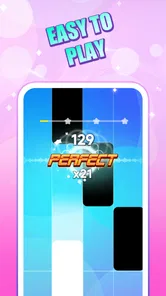
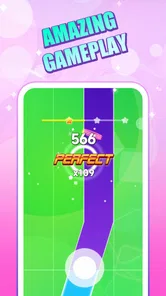
The central promise is straightforward: follow musical cues by tapping tiles in time. That simplicity is a strength for a commute, a short break, or a few minutes of play while waiting for something else. It is also a limitation if you want a complicated campaign, a deep instrument simulation, or a competitive rhythm experience where every small timing difference is carefully explained. The game’s casual framing is important: it sets expectations better than treating it as a full substitute for a specialist music game.
At its best, a tile-based rhythm game turns listening into a small coordination exercise. I would focus less on frantic finger speed and more on locating a comfortable visual rhythm: watch the upcoming cues, keep the tapping motion light, and avoid gripping the phone so tightly that your hands tire. This approach is especially useful when a song becomes busy. Overreacting to each tile can make timing feel less consistent than a steady, relaxed motion.
There is a practical trade-off in this kind of presentation. Tiles make the action legible and approachable, but they can draw attention away from the music if I stare too intensely at the screen. For a more enjoyable session, I would first learn the visual pattern at a manageable pace and then let the beat guide my taps. If the cues feel hard to read on a small display, adjusting how I hold the device or moving to a less distracting environment may help more than simply tapping faster.
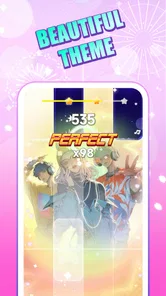
The K-pop and piano emphasis gives the game a recognizable musical flavor, yet players should think about what they actually want from a song-based title. Someone who mainly wants a relaxed, pop-oriented tapping diversion may find the concept appealing. A listener looking for broad genre coverage, a particular artist, or a specific track should check the available in-game selection before making the game part of a daily routine. I would not choose any rhythm game solely on its general music label when a specific song is the deciding factor.
Rhythm games naturally create pressure: a missed beat is immediately visible, and the player may feel compelled to replay a section until it goes better. That can be satisfying when I am in the mood to improve, but it can spoil a casual break if I treat every run as a score challenge. My advice is to set a small goal for a session—such as staying with the beat or finishing a song calmly—rather than chasing a perfect performance every time.
A useful self-check is to notice whether a replay is teaching you something. If the same passage keeps catching you, slow down your hand movement, look slightly ahead at the next cue, and check whether your tapping is following the beat or reacting late to the screen. If another attempt feels no clearer, taking a pause is more sensible than grinding through frustration. This is a general practice strategy for tile rhythm play, not a claim that the game includes a particular training mode or adjustable difficulty.
For an everyday scenario, I can imagine opening it during a short wait, playing one brief session, and putting the phone away when the wait ends. That is where a lightweight casual rhythm game makes sense: there is no need to set aside an evening or learn a complicated control scheme. If you want a longer progression journey, persistent goals, or a structured skill ladder, make sure the actual game experience gives you enough reason to return before you rely on it as your main music game.
Another small but important tip is to treat sound and surroundings as part of the experience. Rhythm is easier to follow when background noise is low, but not every situation is suitable for playing with audio on. In a shared space, I would keep the volume considerate and avoid playing while walking through traffic or handling anything that needs attention. If the game does not feel enjoyable without clearly hearing the beat, that may make it a poor fit for noisy commutes, even if the idea of offline play sounds convenient.
The game is free, which removes an upfront purchase decision, but that fact alone does not tell me whether it offers optional purchases, advertisements, or other spending prompts. I would check the app’s current store page and any purchase screens on the device before letting a child play or deciding how comfortable I am with its business model. I would not assume that free means entirely free of interruptions, nor assume that spending is necessary to enjoy the core rhythm idea.
That distinction matters for fairness. In a rhythm game, a player should be able to judge their own timing without confusing a paid advantage with skill. I cannot claim that this title has competitive rankings, paid boosts, or a particular purchase system, so I would not make a fairness verdict on mechanics that are not established here. If you encounter a purchase prompt, read exactly what it unlocks before confirming it, and use your device’s purchase controls if you want to prevent accidental transactions.
The average rating of 4.6 and broad install reach are useful signs that many people have found something to like, but ratings can reflect very different expectations. One player may value easy access to quick music sessions; another may be judging song availability, responsiveness, or monetization. I would use the overall reception as a reason to consider trying it, not as proof that it will suit your phone, musical tastes, or preferred level of challenge.
Compared with rhythm games built around a large interface, complex note patterns, or competitive score chasing, a tile-focused casual game has an obvious advantage: the basic idea is quick to grasp. That makes it a more natural pick for someone who wants to tap along rather than study a detailed control system. The trade-off is that players seeking more expressive play, advanced practice tools, or a deep competitive scene may be better served by a rhythm title designed specifically around those priorities.
It also differs from simply streaming music. A playlist lets me listen with little effort; a rhythm game asks me to pay attention and respond. That interaction can make familiar pop and piano sounds feel more engaging, but it is not a replacement for listening while working, relaxing, or doing something else. I would choose this game when I want music to be the focus of a short activity, not when I want a background soundtrack.
Offline play is part of the game’s stated appeal, which could make it useful where connectivity is unreliable. Still, I would verify what remains available without a connection before depending on it for a flight or a long journey: offline availability can matter differently for launching a game, accessing songs, or using other services. A quick test before leaving home is a more reliable plan than discovering a limitation once you are already offline.
I would suggest giving it a try if you enjoy pop-oriented rhythm games, want a simple tapping concept, and are happy with casual sessions rather than a demanding music-game curriculum. It may also suit someone who is curious about rhythm games but intimidated by elaborate note charts. The broad age rating and free download make trying the basic idea approachable, while the large player reach gives a newcomer a reason to look closer.
I would be more cautious if you need a particular song, expect a clearly explained progression system, or want precise competitive tools. I would also look elsewhere if repeated visual tapping feels tiring, if you prefer playing through a physical controller, or if you need a game whose purchase and advertising arrangements are clear before opening it. Those are not flaws I can assign to this title without evidence; they are practical reasons to check whether its actual experience matches your requirements.
For the best first impression, install it on a device you are comfortable using, try a short session in a quiet place, and pay attention to three things: whether the cues feel readable, whether the taps seem to land with the beat, and whether the music selection keeps you interested. If one of those is off, the game may still be a pleasant occasional diversion, but it is unlikely to become your go-to rhythm title. If all three click, its simple format is exactly the point.
Rhythm Tiles: Pop Songs sounds most appealing as a low-pressure, music-led casual game, not as a promise of deep rhythm mechanics or a fully transparent spending model. I like the clarity of its basic premise and the fact that it can fit into a short break, while I would keep expectations measured around song preferences, timing feel, and what offline access means in practice. Since the game is free, trying it is an easy way to assess those things for yourself, provided you check any purchase prompts and do not treat popularity as a guarantee of personal fit.
My recommendation is simple: try it if tapping along to K-pop and piano-style music sounds fun and you want a small challenge you can pick up casually. Skip it if you are looking for a specific catalog, a serious competitive ladder, or confirmed details about spending before you play. That distinction is what makes this a sensible choice for some music-game fans and an easy pass for others.
Rhythm Tiles: Pop Songs is a music-based game in which you tap tiles in time with a song, aiming to keep your rhythm and complete each track. Its appeal comes from combining familiar pop-style music with quick reactions and score chasing. The exact song selection and available modes can vary by version, so check the game’s current listing and in-app catalog before downloading if you have a particular track or feature in mind.
The basic idea is to follow tiles as they appear and tap them at the right moment to match the music. Accurate timing helps you maintain a streak and earn a higher score, while missed or mistimed taps can interrupt a run. It is easy to understand but can become demanding as the pace increases. Playing with the sound on is helpful because the beat provides useful timing cues, though responsiveness may also depend on your device.
The game may be available to download without an upfront purchase, but that does not necessarily mean every feature is free. Depending on the current version, you may encounter advertisements, optional purchases, or content that requires an unlock. Store policies and pricing can differ between Android and iOS and may change over time. Review the app-store listing and any purchase details before installing, especially if you plan to let a child play.
Whether you can play offline may depend on the version, song, and features you choose. Some music games require a connection to load tracks, show advertisements, sync progress, or access online content, while other parts may work without one after initial setup. Check the store description and test the game’s offline behavior before relying on it during travel. Also consider that streaming or downloading music content can use mobile data.
The tapping gameplay is straightforward, but suitability depends on the game’s content and business model as well as a child’s age. Before downloading, parents should check the age rating, song and visual content, advertising, privacy information, and whether in-app purchases are offered. If a child will use the app, review device purchase controls and permissions, and supervise play until you know what appears in the game and how its features work.
On Android, Rhythm Tiles: Pop Songs asks for these permissions.
Rhythm Tiles: Pop Songs is also available in 2 other languages on our site.
4.6 out of 5
20,097 reviews
Casual · Agile Lion Games

Casual4.2 out of 5

Casual4.3 out of 5

Casual4.6 out of 5

Casual4.8 out of 5

Casual4.6 out of 5

Casual4.7 out of 5
Casual4.7 out of 5

Casual4.6 out of 5

Casual4.2 out of 5

Casual3.2 out of 5

Casual4.7 out of 5

Casual4.7 out of 5

Casual4.3 out of 5

Casual4.7 out of 5
Casual4.5 out of 5
Casual4.8 out of 5

Casual4.9 out of 5

Casual4.7 out of 5


Gamesive reviews games on its own and is not paid by developers for scores. We do not host game files: the download buttons open the official Google Play and App Store pages. Names, icons and screenshots belong to their owners.