
Geometry Dash Lite
Arcade4.4 out of 5

For Android & iOS · DVloper
 Analysis by Gamesive
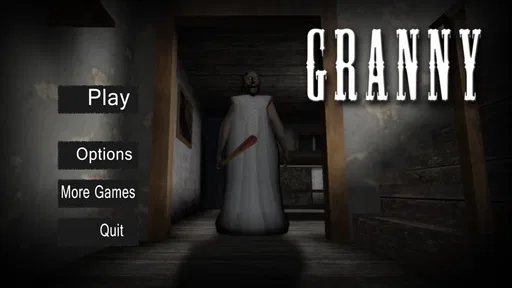
Some games make their appeal clear in a few moments: you take an action, see what changes, and decide whether to try again. Granny builds its arcade-style tension around a simple premise: Granny keeps you locked in her house. That setup gives every attempt an immediate purpose, while the threat of being caught makes even a small decision feel important. I find the result easy to understand but harder to put down than its stripped-back description might suggest.
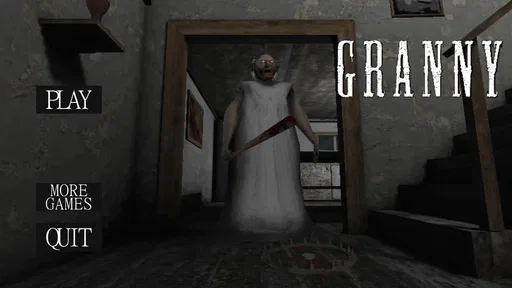
The opening idea is direct: you are trapped in a house and need to work toward getting out. Rather than asking you to learn a lengthy backstory before the game begins, it puts the situation front and center. That clarity is a strong fit for a horror arcade game. You know the basic problem, but the pressure comes from figuring out how to act while Granny is still a presence in the house.
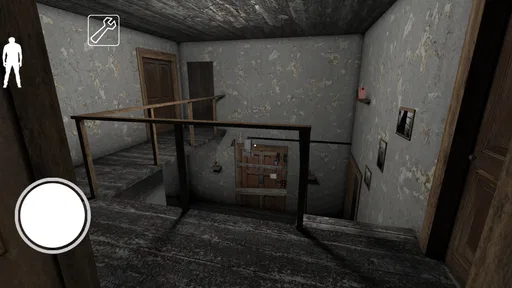
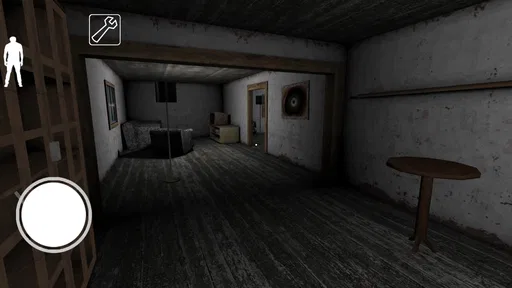
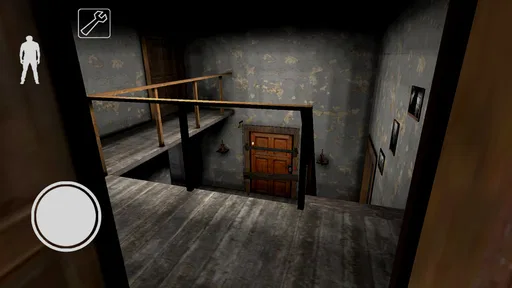
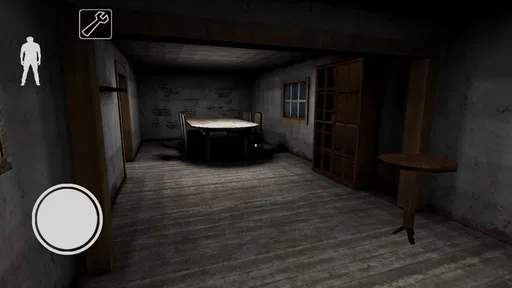
My first impression is less about mastering a complicated set of rules and more about choosing what to do next. The house itself becomes the focus of attention, and the locked-in premise makes movement feel purposeful. Instead of treating the setting like a backdrop, the game uses it to frame the immediate challenge: make progress without letting the danger take control of the session.
That approach gives the first action a nice bit of weight. In a calmer puzzle game, a wrong move may simply waste a moment. Here, the same hesitation can feel loaded because the central threat is never far from the objective. I like that the concept does not need much explanation to create a reason to pay attention. You are not just wandering around; you are trying to change your situation.
The game’s appeal also comes from how little it needs to say. The short store description, “Granny,” is as blunt as the premise itself, and the main setup is just as memorable: Granny has locked you inside her house. That simplicity helps make the game approachable, especially if you want a quick horror experience rather than a sprawling adventure. The tension is built around a compact idea that can be grasped right away.
What keeps the opening from feeling like empty movement is the clear relationship between action and goal. You are trying to escape, so each choice can be judged by whether it seems to bring you closer to that outcome or place you in a worse position. That gives the experience a useful rhythm: act, notice the result, adjust, and keep going.
I find that kind of loop satisfying because it makes the player responsible for the pace. There is a constant reason to consider the next move, but the premise is simple enough that the game does not need to bury the player in instructions. For a mobile arcade game, that balance matters. A clear objective invites a quick start, while the threat of failure gives each attempt enough tension to feel like more than a casual stroll through a setting.
The house-and-capture premise also helps create a strong mental picture. You are locked in, Granny is the obstacle, and escape is the aim. That triangle is easy to remember, which makes it easier to return to the game after setting it aside. The basic idea remains intact: another attempt is a chance to make a better decision and get further than before.
The most engaging part of the loop is the way pressure gives meaning to what happens after an action. The game is not relying on a complicated narrative to make every moment matter. Instead, the threat of being caught shapes how I think about progress. When an attempt goes well, it feels like a small victory over the situation; when it goes badly, the setback gives me a reason to reconsider my approach.
That action-and-feedback relationship is the heart of the experience. You make a choice, the game pushes back, and you have to interpret the result. The feedback is not merely a score or a distant reward. It is tied to whether your attempt to escape remains viable. That makes the core loop easy to follow even when the atmosphere feels uncomfortable: try something, learn from the outcome, then decide whether to continue with the same idea or change direction.
I enjoy how this encourages attention without requiring a large amount of explanation. The premise itself tells you why you should care about your choices. Granny is the reason the house feels unsafe; being trapped is the reason movement has purpose. That connection keeps the tension grounded in the objective rather than making it feel like decoration pasted onto a generic game.
There is also a useful contrast between the straightforward goal and the uneasy mood. The goal is easy to describe, but that does not make every attempt feel predictable. You still have to respond to how the situation develops, and that uncertainty gives repetition a purpose. A simple objective can be surprisingly effective when the feedback makes each decision feel consequential.
In a game built around getting out of a dangerous situation, the central reward is the feeling that you have made progress. You do not need a sprawling collection of side activities to understand why a successful move matters. The important question is whether you are closer to escaping than you were before. That keeps the motivation direct and gives the game a clean arc within each attempt.
For me, the strongest reward is the change in confidence that comes from learning through play. A setback can make the next try feel more informed, while a promising move can build momentum. That is a good fit for the Granny game: the attraction is not simply that the situation is frightening, but that the player is trying to overcome it. The horror creates pressure; the escape objective gives that pressure a direction.
The game’s popularity is notable, too. It has more than 500 million installs and a 4.3 average rating from 4.4 million ratings. Those figures suggest that its direct premise has reached a very broad mobile audience. They do not change the moment-to-moment experience, of course, but they help explain why a simple, recognizable horror setup can work so well on phones and tablets.
Granny is free to play, with in-app purchases listed at $2.99 per item. That makes it easy to give the core idea a try, while leaving optional purchases as part of the overall app experience. The game is rated Teen, which is worth keeping in mind when deciding whether its horror tone is suitable for the person who will be playing.
The reset is essential to the game’s appeal. When an attempt does not go as hoped, the central premise remains easy to return to: you are still trying to escape Granny’s house. A new session is not a completely different activity; it is another chance to make decisions with the previous outcome in mind. That gives the game a repeatable structure without needing a complicated explanation for why you would play again.
That structure can be especially effective for short mobile sessions. You can understand the objective quickly, focus on the immediate challenge, and then decide whether you want another try. The game does not need to ask for a huge time commitment before the central loop becomes clear. Its strongest hook is simply that unfinished escape goal and the feeling that a better attempt might go further.
I also think the reset suits the horror tone. A failed attempt does not necessarily make the premise less interesting; it can make the next one feel more tense because you are returning with a stronger sense of what is at stake. The loop turns failure into feedback. You take action, see the consequence, and carry that lesson into the next attempt. When that process clicks, starting over feels like part of the design rather than an unrelated interruption.
Of course, a repeating objective will not appeal to everyone. Players who want a large story, a broad range of modes, or a leisurely pace may find the compact focus less satisfying. Granny is at its best when you enjoy the pressure of working toward one clear goal and the small decisions that shape an attempt. I would not approach it expecting a different kind of game every time; I would approach it for the tension of trying again with a little more understanding.
As an arcade game, Granny benefits from being easy to describe and quick to understand. The threat, the setting, and the objective all point in the same direction. That focus makes the game memorable, while the uneasy premise gives the repeated actions an emotional charge. It is a more distinctive combination than a bare escape challenge would be on its own.
The game was released on November 24, 2017, and its current version is 1.8.13. It requires Android 7.0 or later. Those details make it easier to judge whether it fits a device, while the essential appeal remains the same: a direct objective, a threatening situation, and a reason to learn from each attempt.
What I appreciate most is that the loop has a natural sequence. The player acts because escape is the goal. The game responds through the danger of the situation. Progress feels rewarding because it brings the objective closer. A reset creates another chance to use what the previous attempt taught. That chain is simple, but it gives the game a clear identity and a strong reason to keep playing.
Granny is a good pick if you enjoy mobile horror games that put tension and replayability ahead of a complicated setup. The central premise is immediately understandable, yet the threat makes each attempt feel like a problem to solve rather than a task to complete on autopilot. Its focus may feel narrow to players looking for lots of variety, but that same focus is what makes the core loop easy to return to.
My overall take is that Granny knows what its main hook is and sticks to it. You are trapped, you want to escape, and every attempt gives you a fresh opportunity to make progress. The tension supplies the feedback, the escape goal supplies the reward, and the reset gives the next session a reason to begin. If that compact cycle sounds appealing, Granny is an easy horror game to understand and a compelling one to revisit.
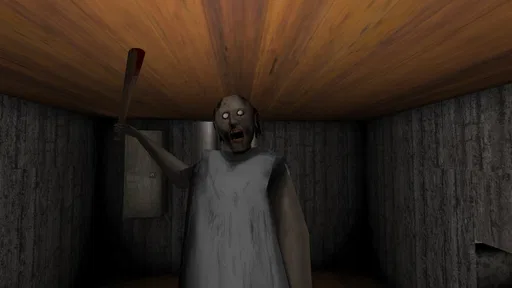
Granny is a first-person horror game built around exploring a locked house while avoiding its frightening resident. Your goal is to find a way out, which usually involves searching rooms for useful items, solving environmental puzzles, and unlocking the exit. Granny reacts to noise, so dropped objects and careless movement can give away your position. Careful exploration and planning are essential.
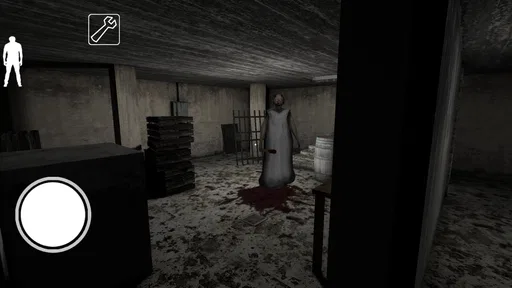
Granny listens for sounds and patrols the house, so moving too quickly or knocking objects over can attract her attention. If she finds you, she can capture you and cost you one of your limited chances before the game ends. Hiding places such as beds or wardrobes may help you avoid her, but they are not a guarantee of safety. Pay attention to nearby sounds and choose when to move carefully.
Granny uses tense sound effects, jump scares, and a persistent pursuer to create a frightening atmosphere. Its presentation is not focused on graphic violence, but the suspense can still be intense, particularly for younger players or anyone sensitive to horror. Consider the game’s scares and difficulty before downloading it for a child, and check the age guidance and content information listed for your device and region.
Granny is generally designed as a single-player experience, so the core escape gameplay can typically be enjoyed without a constant internet connection. An internet connection may still be needed for the initial download, updates, or store-related features, and availability can vary by platform or version. Check the current app-store listing if offline access is important to you, especially before playing while travelling.
The price and monetization details for Granny can differ between Android and iOS, and may change over time or by region. Check the official store listing before downloading to confirm whether the current version is free, includes advertisements, or offers optional purchases. Also review the listed permissions and developer information, and download only from an official app store to reduce the risk of installing an unofficial copy.
On Android, Granny asks for these permissions.
Granny is also available in 2 other languages on our site.
4.3 out of 5
4,380,266 reviews
Arcade · DVloper

Arcade4.6 out of 5

Arcade4.5 out of 5

Arcade4.2 out of 5

Arcade4.4 out of 5

Arcade4.7 out of 5

Arcade4.5 out of 5
Arcade4.4 out of 5

Arcade4.6 out of 5

Arcade4.2 out of 5

Arcade4.5 out of 5

Arcade4.7 out of 5

Arcade4.5 out of 5

Arcade4.4 out of 5

Arcade4.4 out of 5

Arcade4.2 out of 5

Arcade4.7 out of 5

Arcade4.8 out of 5

Arcade4.6 out of 5



Gamesive reviews games on its own and is not paid by developers for scores. We do not host game files: the download buttons open the official Google Play and App Store pages. Names, icons and screenshots belong to their owners.