
Dream League Soccer 2026
Sports4.5 out of 5
For Android & iOS · Candy Mobile
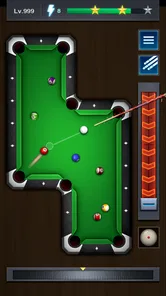
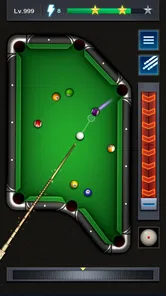
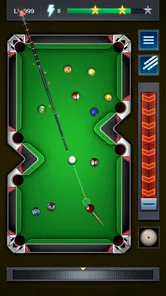

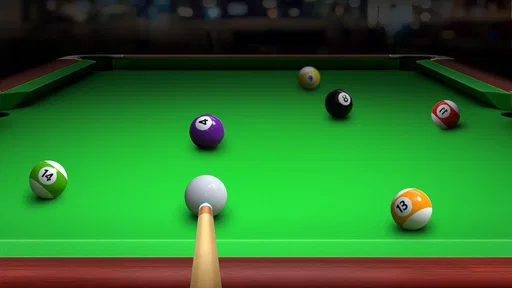
 Analysis by Gamesive
The first thing I look for in a pool game is whether a shot feels deliberate or merely lucky. Pool Tour - Pocket Billiards is built around quick arcade-style pool, so its appeal is the immediate pleasure of lining up a cue and trying to sink a ball without turning every session into a serious simulation. I’d recommend it to someone who wants a casual sports game to pick up in spare moments, especially if they enjoy the familiar puzzle of choosing an angle and controlling a shot.
That fast, approachable premise also sets a limit: this is not the choice I’d make for a detailed, tournament-focused billiards experience. Its strongest case is as an accessible mobile game, where a short run of play can feel satisfying even when I have no time for a long match. The question is whether that simple loop gives you enough reason to keep coming back.
Pool Tour is a free sports game from Candy Mobile, and its Everyone age rating makes it broadly approachable. The basic goal is instantly understandable: make useful shots, keep the balls moving in your favor, and work through the pool challenges the game presents. I don’t need to learn a complicated set of controls before I can start thinking about where the cue ball should go.
That makes it a natural fit for brief breaks. If I have a few minutes while waiting for something, I can focus on one immediate task rather than plan a lengthy session. A good way to approach each turn is to pause before aiming and ask two questions: which ball is the safest target, and where will the cue ball finish? Even in an arcade-style game, that small habit makes shots feel more intentional.
The early attraction is less about mastering an elaborate ruleset and more about getting a clean result from a simple decision. I find that satisfying when I want a light game, but it may not hold someone who expects a deep tutorial, realistic table strategy, or a serious recreation of competitive pool. If you usually enjoy billiards because of precise positioning and long tactical exchanges, a dedicated simulation is likely a better match.
The game’s presentation as a pool tour suggests a sequence of goals rather than an open-ended practice table. That framing can help give a casual player a reason to take one more turn: there is something in front of you to attempt, not just an empty table. Still, I would treat the appeal as challenge-driven play, not assume that every session offers a radically different mode or a particular kind of reward.
My practical tip is to treat missed shots as information. If a ball doesn’t travel where I expected, I can adjust the angle on the next attempt instead of rushing immediately into another shot. The game’s approachable format is useful for that kind of experimentation: I can focus on the relationship between aim and outcome without needing to study a full rulebook first.
It also helps to avoid taking the most tempting shot automatically. A difficult ball may look satisfying to target, but a safer option can keep a run moving and reduce frustration. That trade-off is especially relevant for players who are new to mobile pool: accuracy matters, but choosing a manageable shot is often a better early goal than trying to make every turn look impressive.
Progress in a casual pool game works best when the player can connect improvement to decisions. A successful shot feels more meaningful when I remember how I lined it up, rather than attributing the result to luck. Pool Tour’s straightforward arcade framing gives that small sense of mastery room to matter, especially for someone learning to judge angles and build confidence over repeated attempts.
It is worth setting a modest personal target for a session. For example, I might focus on taking a moment to plan each shot, or on avoiding hurried guesses. That gives play a useful purpose even when I’m not chasing a specific unlock. This approach is also a fair way to judge whether the game’s progression is working for you: if you enjoy getting better at the core action, the challenge can carry a session; if you need a detailed collection of long-term goals, a more feature-heavy pool game may suit you better.
The game has attracted a sizable audience: it has over five million installs, alongside an average rating of 4.6 from around 131,000 ratings. Those figures suggest that its simple pool format has broad appeal, but they don’t tell me whether it will match an individual player’s preferred level of realism or variety. I’d use them as reassurance that this is an established casual option, not as a promise that every player will find its progression deep.
For a more useful comparison, think of the alternatives in two groups. A realistic billiards simulator is usually the better pick when you want careful control, authentic rules, and a slower match. A quick arcade pool game like this makes more sense when you want a direct challenge that can fit around daily life. Pool Tour sits closer to the second group, so I would choose it for accessible shot-making rather than technical study.
The satisfying part of a difficulty curve is the moment a shot that once seemed awkward starts to feel manageable. A player can get there by changing one thing at a time: take a steadier aim, choose a different target, or think through the cue ball’s next position. This is more useful than making several random adjustments after a miss, because it lets me understand what actually improved the result.
There is a trade-off, though. Arcade pool depends heavily on the feel of the shot, and a player who wants precise simulation may find the experience too simplified. Conversely, someone who only wants an effortless distraction could find repeated aiming and challenge attempts more demanding than expected. I’d give it a few sessions to see whether the act of improving your shots is enjoyable in itself; that is a better test than expecting constant novelty.
When a challenge becomes frustrating, I recommend stepping back rather than repeating the same rushed approach. Try a safer target, take time to line up, and decide whether the goal is worth another attempt right now. This is a small but practical way to keep a casual game from turning a short break into an irritating grind. It also helps reveal whether you enjoy the game’s central skill or are only chasing the next completion.
Pool Tour is free to play, which makes it easy to try without committing to a purchase. That lowers the barrier to testing its pace, but it doesn’t automatically make the game right for everyone. If you strongly prefer a pool game with extensive practice tools, a detailed career structure, or a highly realistic table feel, I would compare it with alternatives before settling in.
The game has been available since April 13, 2020, and its current version is 2.0.1. It runs on Android 6.0 or later, which makes it accessible on a range of compatible devices. For me, those practical details matter most if I’m choosing a casual game to keep on a phone for occasional use, rather than a title I expect to make the center of a regular gaming routine.
Its audience size is also reflected in around 11,000 written reviews. I wouldn’t read a high number of reviews as proof that the game has every feature a pool enthusiast might want; rather, it shows that many people have taken the time to share an opinion about this particular casual take on billiards. The best personal test is still whether its aiming and challenge loop feels enjoyable after the novelty of the first few shots wears off.
For an everyday scenario, I can imagine opening it during a short wait, choosing a challenge, and focusing on one careful shot at a time. If I only have a few minutes, that clear objective is an advantage over games that ask me to remember a long storyline or manage several systems. If I’m settling in for a long evening of competitive pool, though, I’d rather use a game designed around deeper match play.
One useful habit is to decide before starting whether you want a quick diversion or a focused attempt at improving. For a diversion, keep expectations light and enjoy the immediate action. For practice, slow down and pay attention to how each choice affects the next shot. That distinction helps the game feel better suited to the moment, and it prevents me from judging a compact arcade experience by the standards of a full simulation.
My verdict: Pool Tour is worth trying if you want free, approachable arcade pool and enjoy making small improvements through repeated shots. It is an especially sensible choice for casual players who like clear, bite-sized challenges and don’t need a highly realistic billiards table. I would skip it in favor of a more simulation-oriented alternative if detailed rules, careful cue control, and long-form competitive play are what make pool appealing to you.
Overall, I see its progression as most effective when the goal is simply to take the next challenge and play a little more thoughtfully than before. That kind of modest momentum can be enough for a phone game, but it is not the same as a deep career system. If that sounds like the right scale of commitment, this is a friendly way to fit pool into spare moments; if you need a substantial progression journey, its focused arcade approach may feel limited.
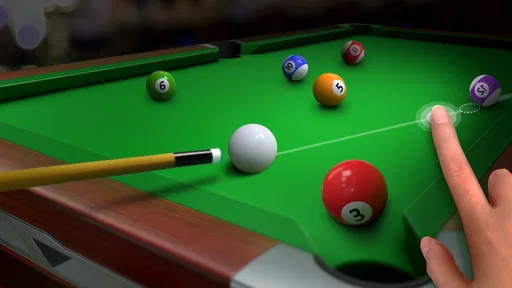
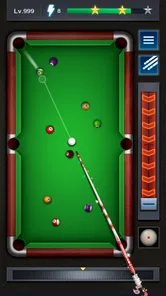
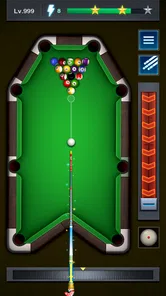
Pool Tour - Pocket Billiards is a mobile billiards game built around aiming, lining up shots, and pocketing balls on a virtual table. Its main appeal is the familiar pool format, which makes it approachable for players who already know the basics while still offering a chance to practise shot planning. Check the game’s current store listing for its available modes and features, as these can vary by version.
Offline availability can depend on the game version and the mode you want to use. A practice or solo mode may work without a connection, while online matches, leaderboards, or other connected features generally require internet access. If playing offline matters to you, check the store description and try launching the game after disconnecting before relying on it during travel or in places with limited connectivity.
The title may include competitive or multiplayer features, but the exact options can differ between releases and updates. Look at the game’s current listing and in-game menus to confirm whether it supports live matches, turn-based play, or only solo challenges. Multiplayer generally needs a stable internet connection, and matchmaking availability may depend on how many people are playing in your region.
The price, advertising, and in-app purchase model can vary by platform, country, and version. Before downloading, review the listing in the Google Play Store or Apple App Store for any stated ads, optional purchases, or paid content. Also check the purchase controls on your device if children may play, since optional items can involve real money even when the initial download is free.
Confirm that your Android or iOS version meets the requirements shown on the official store page, and make sure your device has enough free storage for the download and any later updates. Read the latest reviews for reports about performance or compatibility on devices like yours. It is also sensible to review the app’s privacy information and requested permissions before installing.
On Android, Pool Tour - Pocket Billiards asks for these permissions.
4.6 out of 5
130,873 reviews
Sports · Candy Mobile

Sports4.8 out of 5

Sports4.4 out of 5

Sports4.6 out of 5

Sports4.6 out of 5

Sports4.5 out of 5

Sports4.6 out of 5

Board4.5 out of 5

Board4.6 out of 5
Sports4.5 out of 5

Sports4.4 out of 5

Sports4.1 out of 5

Sports4.7 out of 5

Sports4.5 out of 5

Sports4.6 out of 5

Sports4.2 out of 5

Sports4.5 out of 5

Sports3.0 out of 5

Sports4.3 out of 5

Sports4.7 out of 5

Sports4.7 out of 5



Gamesive reviews games on its own and is not paid by developers for scores. We do not host game files: the download buttons open the official Google Play and App Store pages. Names, icons and screenshots belong to their owners.