
Football League 2026
Sports4.4 out of 5
For Android & iOS · Miniclip.com

 Analysis by Gamesive
Carrom Pool: Disc Game turns a tabletop pastime into quick head-to-head matches that reward careful aim more than frantic tapping. I like it most as a small, focused game for spare moments: a match gives me a clear objective, and a good shot feels earned. It is less satisfying if I want a deep sports simulation, a relaxed solo experience, or a game with no pressure to spend. The central appeal is simple, but the difference between a lucky hit and a deliberate one gives each round a little more thought than its casual presentation suggests.
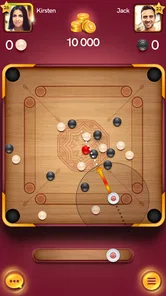
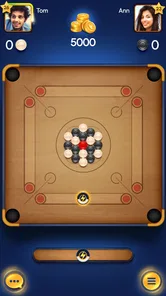
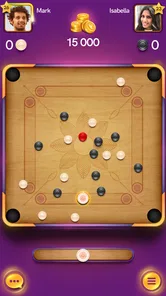
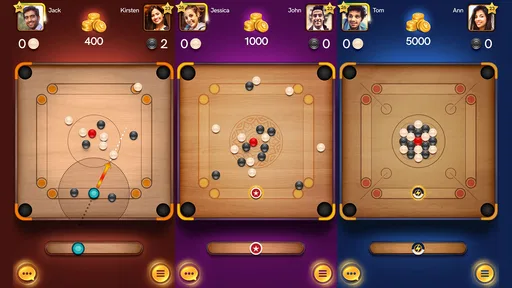
Developed by Miniclip.com, this sports game adapts carrom’s disc-and-pocket format for mobile play. Instead of controlling an athlete or managing a team, I focus on lining up a striker and sending discs toward the pockets. That makes the game easy to understand at a glance, but not entirely automatic: angle, force, and the position of other discs all affect whether a shot opens the board or leaves an awkward setup for the next turn.
The strongest part is the compact decision-making. A direct shot can be tempting, yet sometimes the better move is to nudge a disc into a more useful position or avoid leaving an easy reply. I find that distinction is what keeps matches from feeling like repeated flicks. When the board is crowded, a small adjustment can matter more than a powerful strike, so patience often beats trying to clear everything at once.
For a newcomer, the basic loop is approachable: look at the board, choose a line, and take a shot. The challenge comes from learning to read the result rather than simply aiming at the nearest pocket. One practical habit is to pause before each turn and check what your shot will do to the discs you do not pocket. That quick scan can help prevent a satisfying immediate score from turning into a generous setup for your opponent.
It also suits short sessions better than games that ask for a long stretch of uninterrupted attention. I can imagine opening it while waiting for a friend or filling a few minutes between errands, playing a match, and putting the phone away. Because each turn is a distinct action, it is easy to resume the basic rhythm after a brief pause, though I would still avoid starting a match if I know I will need to leave immediately.
Another useful way to approach it is as a casual skill test rather than a pure reflex game. If your aim is inconsistent, try reducing the urge to use maximum force and focus on where the striker will finish. That makes it easier to learn from a miss: was the line wrong, was the shot too strong, or did another disc block the intended route? Treating each turn as feedback gives the game more staying power than simply chasing quick wins.
Compared with many mobile sports games, this one puts the board and the shot in the foreground instead of asking me to learn a roster, a season structure, or a complicated set of controls. That is a real advantage when I want a match that begins with little preparation. It also means the experience is narrower: players who want movement, varied sports disciplines, or a long progression built around managing a team may find the repeated board setup less engaging over time.
The touch interface is both the natural choice and a possible source of friction. A swipe or drag makes aiming feel direct, but a finger can cover part of the board, and small changes in direction may matter when discs sit close together. I recommend taking a moment to line up the shot rather than making a hurried gesture. On a smaller screen, careful positioning becomes more important, and playing with the device comfortably supported can make control feel steadier.
Multiplayer gives the game its clearest reason to return: a human opponent makes every turn feel like a response to someone else’s choices. The trade-off is that competition can magnify the irritation of a poor shot or a close loss. If I want a calm game while distracted, a single-player puzzle or a slower offline board game may be a better fit. Here, the appeal depends on being willing to engage with another player’s moves, not just tap through a sequence of actions.
That competitive structure also rewards restraint. When I am behind, trying to force a spectacular shot can make the position worse; when I am ahead, a safer placement may be more sensible than chasing every possible pocket. This is a small but useful shift in mindset: play the board you have, not the shot you wish were available. It helps the game feel more strategic without pretending it has the depth of a full tabletop club match.
The game is free to install, while optional in-app purchases range from ten cents to just under one hundred dollars per item. That wide spread is worth noticing before a child plays or before you attach a payment method. I would treat purchases as extras rather than a requirement for trying the core idea, and I would use the device’s purchase controls if I were setting it up for a younger player. The price of an optional item is not a reason to buy it unless it genuinely adds something you value.
Its audience reach is substantial: the game has over 500 million installs, and its average rating is 4.4 from around 8 million ratings. Those figures suggest that the quick, competitive format has broad appeal, but they do not guarantee that it will suit every player. Someone who dislikes head-to-head pressure, prefers a richer sports career, or wants a game that can be enjoyed without repeated short contests should look elsewhere.
There is also a limit to how much variety the central mechanic can provide. Aiming, striking, and responding to the board are satisfying, but they remain the heart of the experience. If that loop clicks for you, small differences in position give it plenty to think about. If it does not, a large audience or polished presentation will not transform the basic action into a different kind of game. I would try it for the feel of the shots, not because I expect a broad catalogue of sports.
For everyday use, I think it works best as a social pick-up game: something to suggest when a friend wants a short competition and neither of you wants to learn complicated controls. It is less ideal for a commute where connection or attention may be unreliable, or for anyone who wants a guaranteed quiet solo pastime. Those are not flaws in the idea so much as consequences of choosing a multiplayer board game as the main attraction.
Carrom Pool: Disc Game is a good choice if you enjoy aiming games, familiar board-game rules, and brief contests where a little planning can beat a rushed move. It is also approachable for someone who has never played carrom: the board communicates the goal, and the skill comes gradually through judging angles and controlling shots. The Everyone age rating makes it broadly suitable in content terms, though the competitive setting and optional purchases are still worth discussing with younger players.
I would skip it if you are looking for a traditional sports game with teams, player development, or varied match types, or if losing to another person tends to spoil a casual session. I would also choose a different game when I want a substantial solo challenge rather than a series of quick encounters. That is the key exception to my recommendation: the simple rules are a strength for easy entry, but they also define the boundaries of what the game offers.
The game was released on March 26, 2019, and its current version is 19.6.1, with Android 8.0 as the minimum operating-system requirement. Those details are useful when checking whether an older device can run it, but the decision should mainly come down to whether you enjoy precise, turn-by-turn competition. Its appeal is not a complicated feature set; it is the small satisfaction of planning a shot and watching the board change.
My verdict is positive, with a clear qualification: I recommend it as an accessible multiplayer carrom game, not as an all-purpose sports title. Its best moments come from reading the board, choosing a sensible angle, and adapting when an opponent changes the position. Its weakest moments arrive when the repeated format feels narrow or the competitive nature is not what I want from a quick break.
If you are curious, I would install it, play a few matches, and pay attention to whether you enjoy setting up shots as much as pocketing discs. That is a better test than expecting a broad sports experience from the category label. For the right player, Carrom Pool: Disc Game offers a tidy, replayable contest that fits into everyday gaps; for everyone else, a quieter puzzle or a more varied sports game will likely be a better use of time.
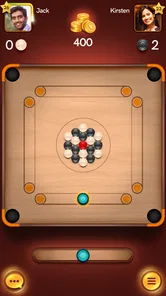
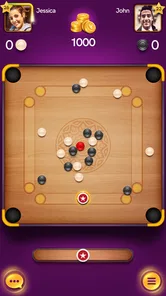
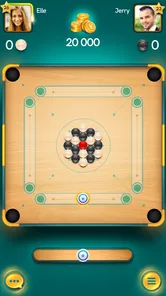
Carrom Pool: Disc Game is a digital take on carrom, a tabletop game where players flick discs across a board to pocket them. You can play against another person in head-to-head matches or try other available modes, depending on the current version. Its simple controls make it easy to start, while aiming, choosing shot strength, and planning around the opponent add a strategic element.
You use a finger or mouse-style drag gesture to position and aim your striker, then release to shoot discs into the pockets. In the classic rules, players try to pocket their assigned pieces and finish with the queen according to the game’s rules. The controls are approachable, but precise shots take practice. Before a match, check the mode’s instructions, since objectives and rules can vary.
The game is primarily known for online matches, including play against other people, and may offer ways to connect with friends depending on the available version and platform. Offline availability can be limited: some features require an internet connection, and online opponents or rewards will not work without one. Check the in-game mode descriptions and your connection before downloading if offline play is important to you.
Carrom Pool: Disc Game is generally offered as a free download, but availability and terms can differ by store and region. The app may include optional in-app purchases, virtual currency, or advertisements. You can usually play without buying anything, though paid options may provide extra items or convenience. Review the store listing and purchase settings, especially if children will use the device.
Check that your phone or tablet meets the app store’s current operating-system and storage requirements, and confirm that the game is available in your region. An internet connection may be needed for multiplayer and some progression features. Also review the app’s permissions, privacy information, advertising, and in-app purchase details. Download it from the official Google Play or Apple App Store listing to reduce the risk of installing an unofficial copy.
On Android, Carrom Pool: Disc Game asks for these permissions.
4.4 out of 5
8,075,815 reviews
Sports · Miniclip.com

Sports4.8 out of 5

Sports4.6 out of 5

Sports4.6 out of 5

Sports4.5 out of 5

Sports4.6 out of 5

Sports4.5 out of 5
Sports4.8 out of 5

Action4.8 out of 5
Sports4.6 out of 5

Sports4.1 out of 5
Sports4.4 out of 5

Sports4.1 out of 5

Sports4.7 out of 5

Sports4.5 out of 5

Sports4.6 out of 5

Sports4.2 out of 5

Sports4.5 out of 5

Sports3.0 out of 5

Sports4.3 out of 5

Sports4.7 out of 5

Sports4.7 out of 5

Sports4.6 out of 5



Gamesive reviews games on its own and is not paid by developers for scores. We do not host game files: the download buttons open the official Google Play and App Store pages. Names, icons and screenshots belong to their owners.