
Chess - Play and Learn Online
Board4.7 out of 5
For Android & iOS · Playtika Santa Monica


 Analysis by Gamesive
I can see the appeal of Bingo Blitz™️ in a shared home: one person can pick it up for a quick bingo session, then someone else can take a turn later, enjoying the travel-themed presentation and the little sense of progress that comes from collecting prizes. It is a free board game from Playtika Santa Monica, and its large player community is reflected in a 4.6 average from around 1.4 million ratings. My main reservation is practical rather than complicated: on a shared device, the game is best treated as one person’s game at a time, not as a household account everyone casually shares.
The central activity is familiar bingo, but the game wraps it in a world-travel theme and a continuing collection of daily prizes. That gives it more to return to than a bare digital bingo card. I find that framing useful for short, relaxed sessions: you can play a round when there is a little spare time, rather than needing to set aside an evening for a long strategy game.
That makes it easy to imagine on a kitchen-table tablet or a phone passed between adults. One person might enjoy the pattern recognition and gentle anticipation of watching numbers appear; another might care more about the destinations and collectibles. The same basic game can serve both moods, although the progress and rewards are tied to the experience of playing, so switching between people may make personal goals harder to follow.
In ordinary bingo, the social element often depends on a group being together or coordinating a time to play. Here, the social framing is part of a digital game that can be opened whenever a player has a spare moment. That is convenient, but I would not assume that installing it automatically creates a shared household activity. It works better as a casual game that people can discuss or take turns trying than as a structured family game night with coordinated rules.
The app has been available since September 14, 2012, and has passed 50 million installs. Those figures suggest a long-running, widely played title rather than a small experimental bingo app. The current version is 6.10.0, and the game is free to download, so trying it does not require an upfront purchase. For a shared device, though, the more important question is whether everyone is happy to take turns within the same installed game, rather than expecting separate personal spaces.
My most useful household tip is to agree on a simple boundary before anyone starts: either one person is the primary player, or everyone understands that the device is being used for casual turns without a promise of separate progress. That small conversation avoids a familiar shared-device problem, where one person’s play changes what another person sees when they open the game.
I would also avoid treating a game session as a good place to hand over a device without checking what is on screen. A player may be in the middle of a round or focused on a reward, and an abrupt handoff can be frustrating even when nobody has done anything wrong. If several people want to try it, taking turns after a round is a calmer workflow than swapping the device in the middle of play.
That is not a special control system or a claim about separate household profiles; it is simply a sensible way to share any game whose progress is personal. If keeping individual achievements and preferences distinct is essential, I would choose a setup where each person can use their own device or account arrangements rather than relying on one shared installation.
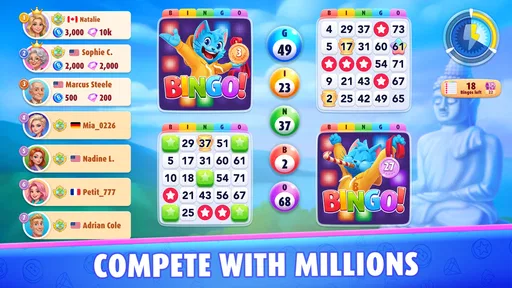
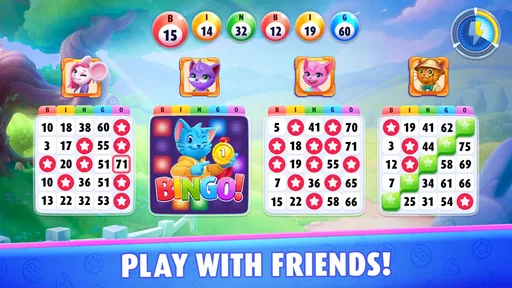
The store summary presents Bingo Blitz as a way to play with friends, and that social angle helps distinguish it from bingo apps that feel entirely solitary. Still, I would approach the social side as a reason to enjoy the game alongside other people, not as a guarantee that a whole household can stay perfectly synchronized. People have different schedules, and a quick game is most appealing when nobody has to wait for everyone else to be available.
For a realistic everyday example, imagine a parent waiting during a child’s activity while another adult is home. One can play a short session during the wait, then tell the other about a destination or prize later. That is a natural, low-pressure way to share an interest. It is less suitable if the expectation is that both people will follow the same timeline or that every game session must be coordinated.
When several players are in the room, I would make the social part conversation rather than device control: one person handles the phone, while others watch and comment. It keeps the game legible and prevents accidental taps from turning a relaxed round into a disagreement. This is especially handy with younger players or anyone unfamiliar with mobile bingo, because a single person can guide the session without making the game feel like a test.
Compared with traditional bingo, the digital format is easier to fit around a busy day and does not require a group to assemble around cards. Compared with a simple offline board game, it also has a more persistent travel-and-prize loop. The trade-off is that a screen-based game is less naturally social in the room: people may end up watching one player rather than participating together. If face-to-face conversation is the main goal, a physical game is likely the better choice.
Daily prizes give the game a reason to invite players back, and that can make a short routine feel satisfying. My advice is to treat the reward loop as optional encouragement, not a schedule you must obey. If you find yourself opening the game only because you feel you might miss something, step back and ask whether the session is still enjoyable. A casual bingo game should fit around your day, not take it over.
There are in-app purchases, with listed item prices ranging from $0.05 to $499.99. That range is a good reason to set expectations before handing a device to someone else, particularly a child, and to use the purchase safeguards available through the device or app store. I would not leave an unattended shared device with the assumption that every tap is harmless. A free download can still present optional spending decisions, so household boundaries matter.
A practical routine is to have the device owner handle any purchase prompts and to keep the game session focused on playing rather than browsing offers. If another person wants to continue, pass the device after the round and make clear that spending is not part of the activity. This does not require treating the game suspiciously; it is ordinary care for any mobile game with purchases, especially where multiple people use the same screen.
The content rating is Teen, so I would not automatically treat this as a young child’s game just because bingo is a familiar, low-pressure activity. An adult should make the call for the people in the household, taking the rating and the purchase options into account. For teenagers and adults who enjoy casual board-style play, the subject matter may feel approachable, but the age label is still the right starting point for deciding who should use it.
For parents, I would recommend looking at the game together before making it a shared device staple. Talk about whether the player understands that optional purchases can cost money, and decide who is allowed to approve them. That is more useful than assuming that the familiar bingo format means every part of the mobile experience is automatically suitable for every age.
The game’s scale can be reassuring in one limited sense: it is an established title, with around 299,000 written reviews and more than 50 million installs. Popularity alone does not tell me whether a particular household will like it, but it does mean the game is not an obscure one-off. I still judge it by fit: whether its bingo rounds, collection theme, and return visits feel enjoyable rather than demanding.
On the technical side, it requires Android 6.0 or later, which is useful to check before choosing an older household phone or tablet. If the device is shared, I would also make sure the person who manages it is comfortable with the store account and purchase settings. That is a basic setup boundary, not a special feature of the game, and it helps keep ownership clear when more than one person uses the same device.
I would recommend it to adults or teens who like bingo but want more of a themed, ongoing experience than a plain digital card. It also suits someone who wants a light game that can be played in short gaps and who enjoys collecting rewards as part of the loop. The travel setting gives those sessions a distinct flavor, while the familiar bingo format keeps the basic activity easy to understand.
I would skip it if you want a strictly offline board game, a minimalist bingo app with no surrounding collection loop, or a title designed around a whole group sharing one screen as equal players. It may also be a poor match for anyone who dislikes optional purchases or feels pressured by daily reward prompts. In those cases, a simpler bingo alternative or a physical game may be more relaxing.
One useful way to decide is to try a few sessions with a clear stopping point. Notice whether the game itself is the enjoyable part, or whether you are mainly chasing the next prize. If the bingo rounds remain fun without turning progress into an obligation, it is probably a good fit. If the collection layer feels like clutter, a more stripped-down alternative will serve you better.
For a home with a shared phone or tablet, I see Bingo Blitz as a pleasant casual option, provided everyone understands who is using the game and who is responsible for purchases. Its travel theme and daily rewards give familiar bingo a reason to revisit, and its free entry makes it easy to test whether the style suits you. I would keep sessions informal and hand over the device between rounds rather than treating one installation as a set of separate personal game spaces.
My recommendation is strongest for households with teens or adults who already enjoy bingo and are comfortable with a mobile game that includes optional spending. It is weaker for families seeking a fully coordinated group activity, for very young players, or for anyone who wants a quiet, no-frills alternative. With sensible boundaries around turns and purchases, Bingo Blitz™️ can be an enjoyable shared-device diversion; without those boundaries, its personal progress and reward prompts can make casual sharing less smooth than it first appears.
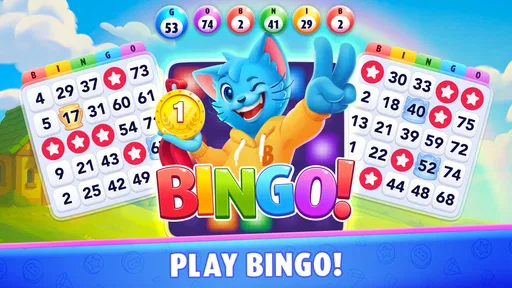
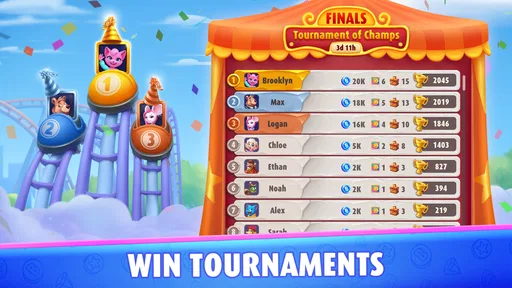
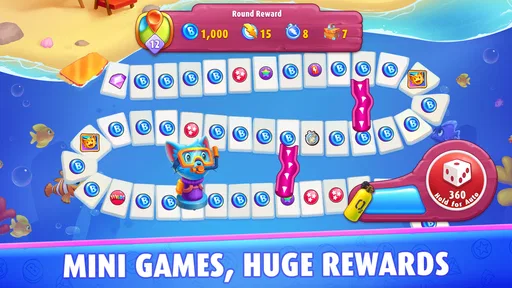
Bingo Blitz™️ is a free-to-play bingo game built around a colorful journey through cities and themed locations. You mark called numbers on one or more bingo cards and try to complete a required pattern before the round ends. Winning rounds can earn rewards and help you progress through the game’s map, while power-ups and limited-time events add extra goals beyond ordinary bingo.
The game is generally free to download and play, and you can enjoy bingo without paying upfront. It also includes optional in-app purchases, such as items or resources that can help you continue playing or progress faster. Before downloading, check the store listing for current pricing and device requirements, and review purchase settings if children may use the device. Some features or offers may change over time.
Bingo Blitz™️ is designed as an online game, so an internet connection is typically needed to load content, join events, and keep game progress synchronized. A stable connection can also help prevent interruptions during rounds. Availability and performance may vary depending on your network and location. If you are planning to play while traveling or offline, check the game’s current store information rather than assuming that all features will work without a connection.
The game offers social features that can make playing more connected, including ways to interact with friends and participate in shared activities, depending on the current version. Some features may require signing in or linking an account, and available options can vary by platform or region. Review the in-game settings before connecting an account, especially if you prefer to limit social interactions or control which personal details are shared.
Bingo Blitz™️ uses a bright, casual presentation, but it also includes optional purchases and online features, so parents should review the age rating and store listing before allowing children to play. Consider enabling purchase authentication or parental controls to avoid accidental spending. The game is a virtual bingo experience, not a way to win real-money prizes; check the app’s current terms and regional information for details about its features.
On Android, Bingo Blitz™️ - Bingo Games asks for these permissions.
Bingo Blitz™️ - Bingo Games is also available in 2 other languages on our site.
4.6 out of 5
1,438,279 reviews
Board · Playtika Santa Monica
Board4.1 out of 5

Board4.8 out of 5

Board4.6 out of 5
Board4.6 out of 5

Board4.6 out of 5

Board4.8 out of 5
Board4.7 out of 5

Board4.9 out of 5

Board4.5 out of 5

Board4.8 out of 5

Board4.7 out of 5

Board4.8 out of 5

Board4.9 out of 5

Board4.6 out of 5

Board4.7 out of 5

Board4.5 out of 5
Board4.9 out of 5

Board4.8 out of 5



Gamesive reviews games on its own and is not paid by developers for scores. We do not host game files: the download buttons open the official Google Play and App Store pages. Names, icons and screenshots belong to their owners.