
Evony: The King's Return
Strategy4.1 out of 5

For Android & iOS · IGG.COM


 Analysis by Gamesive
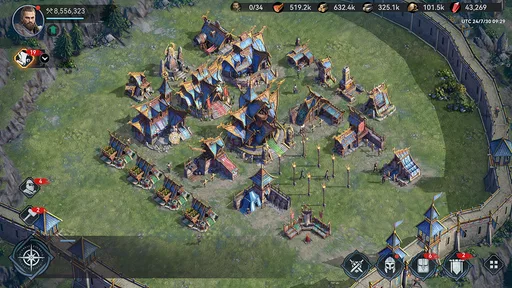
I’d describe Viking Rise as a strategy game for people who enjoy building a settlement and making decisions that matter beyond a single quick battle. Its Viking setting gives the familiar base-building-and-conflict format a strong identity, but the appeal is less about one dramatic fight than about steadily turning a vulnerable home into a place that can support expansion. If you’re new to this style of game, the first useful goal is simple: learn how your settlement’s needs connect, then make one deliberate improvement rather than trying to do everything at once.
Made by IGG.COM, Viking Rise is a free strategy game with a Teen content rating. It has an average rating of 4.6 from around 970,000 ratings, and has passed 10 million installs. Those numbers suggest a broad audience, but they don’t tell you whether its pacing suits you. In my view, the key question is whether you enjoy a game that asks for ongoing attention and planning, rather than one that delivers a complete experience in a short sitting.
The game’s central pleasure is the gradual change in your position. You begin by getting oriented and building up your settlement; over time, the strategic choices become more interesting because development, readiness, and expansion compete for your attention. That loop is a good fit if you like checking in, deciding what deserves your effort next, and seeing the result of earlier choices. It is less appealing if you want every session to end with a clear, self-contained victory.
Compared with simpler mobile strategy games that mainly ask you to collect rewards and upgrade whatever is available, this one works better when you think in terms of priorities. A settlement can look busy without being well prepared. I found it more satisfying to pause and ask what my next action would actually enable: smoother development, a stronger position, or a more sensible route forward. That small habit makes the game feel less like a checklist.
The opening can present several things to inspect, and it’s tempting to treat each visible option as equally urgent. Resist that urge. Follow the guidance the game gives you, notice which tasks move the settlement forward, and take a moment to understand why an action matters before moving on. Early progress feels more reassuring when you can connect a choice with a result, rather than tapping through instructions without absorbing them.
A practical first-session routine is to complete the immediate direction the game provides, review your settlement after each major action, and leave optional distractions alone until the basic loop makes sense. You don’t need to understand every system before you can enjoy the game. You do need enough context to recognise whether you’re developing your home, preparing for conflict, or simply clearing an item from the screen.
For a newcomer, a meaningful first success isn’t necessarily winning a fight. It’s completing an early development step and understanding how it helps with what comes next. After you carry out an action, check the surrounding settlement and menus again. If that step has opened another sensible task or made a later choice clearer, you’ve learned more than you would by rushing through several actions in a row.
One useful tactic is to decide on a short objective before you start a session: advance the current guidance, improve the part of your settlement that is holding you back, or get ready for the next challenge. This gives each visit a purpose. It also makes interruptions easier to handle; if you have to stop, you can return with a clear idea of what you were working toward instead of trying to remember a dozen unfinished intentions.
Another small but valuable habit is to treat resources as a planning problem, not just a score that should always be spent. Before committing to an upgrade or other development choice, consider whether it supports your immediate goal. Spending because an option is available can leave you less flexible when a more useful step appears. I found that saving a little room to adapt made the early game feel calmer.
The main source of confusion is that a strategy game can show you many possible actions before you have enough experience to judge their relative importance. When two options compete for your attention, return to the current objective and ask which one advances it directly. If neither does, it is often reasonable to leave both for later. The game is easier to read when you distinguish between what is available and what is actually useful right now.
It also helps to separate progress from readiness. A growing settlement is not automatically ready for every challenge, and a combat-oriented decision may not improve the part of your development that needs attention. Before choosing a more aggressive direction, check whether you understand the consequences and have a reason to take that step. That simple pause can prevent a common beginner mistake: pursuing visible action while neglecting the groundwork that makes future choices easier.
Because this is an ongoing strategy game, it may reward regular attention more than a single long burst of play. If you prefer to play only occasionally, focus on one manageable objective whenever you return and avoid treating every notification or available task as an obligation. That approach won’t suit someone who wants a campaign with a firm ending, but it can make a persistent settlement game feel more compatible with everyday life.
A realistic use case is a short check during a break: see what your settlement needs, make one considered development choice, and leave with a clear next step. Later, when you have more time, you can give the broader strategic decisions proper attention. This split works better for me than opening the game with no plan and tapping around until I run out of patience.
The trade-off is that the game may ask you to keep track of plans across sessions. If you dislike returning to a game and having to reorient yourself, jotting down a simple personal goal—such as “finish the current development task before shifting focus”—can help. I wouldn’t turn play into homework, though. The routine is useful only if the sense of gradual progress is enjoyable to you.
For a first-time player, the most reassuring point is that you don’t have to become an expert immediately. Learn the basic rhythm, make one choice with a clear purpose, and use the result to decide what to do next. If an option feels opaque, it’s better to wait until the game’s guidance or your own experience gives it context than to commit just because it is prominent.
The game is free to start, with in-app purchases ranging from $0.09 to $299.99 per item. That wide spread is worth keeping in mind: you can try the core experience without paying, but the presence of purchases may matter if you prefer games where progression is entirely separate from spending. I recommend deciding on your own comfort level before buying anything, rather than letting a moment of impatience set the terms.
My practical advice is to play long enough to understand what you enjoy before considering a purchase. If the satisfaction comes from making better decisions and watching the settlement develop, spending may not be necessary for you to judge whether the game is a fit. If you mainly want to skip waiting or accelerate progress, consider whether that would actually improve the experience you want. A purchase should solve a problem you recognise, not create a new expectation to keep spending.
Viking Rise is not the right pick if you want a quick puzzle, a purely offline-feeling single-player journey, or a game that reliably wraps up in one sitting. A compact tactics game is a better choice if you want battles to be the whole point; a short campaign game is better if you prefer a clear finish. This one is aimed at players who enjoy development and strategic commitment over time, and who don’t mind that progress can feel gradual.
Once the opening steps feel familiar, shift from simply following prompts to choosing a direction for your next session. Look at what your settlement can support, identify the most useful improvement, and avoid spreading effort across several goals without a reason. Then review whether the outcome helped. That simple cycle—choose, act, reassess—is the most dependable way I found to make progress feel intentional rather than automatic.
The current version is 1.5.170, and the listed minimum operating system is Android 7.0. Those details are useful when checking compatibility before installing. The larger decision is about your taste: if you like managing a home base, thinking ahead, and returning to a strategy over time, this is an approachable way to explore that style. If you want immediate action with minimal planning, it may feel slow.
My overall recommendation is cautious but positive. The Viking theme gives the game a clear personality, while its settlement-focused strategy gives patient players a reason to keep refining their approach. Start with the guidance, make your first development choice deliberately, and judge the game by whether you enjoy planning the next step—not by how quickly you can clear the opening. If that process feels satisfying, you’ll have a solid reason to continue; if it feels like another set of chores, a shorter, more self-contained strategy game will probably suit you better.
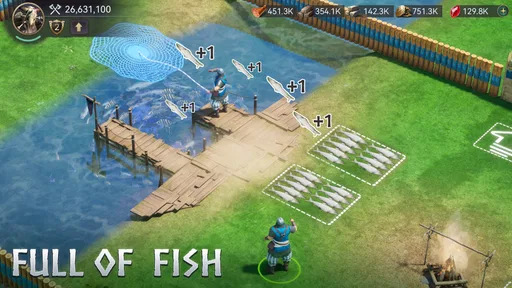
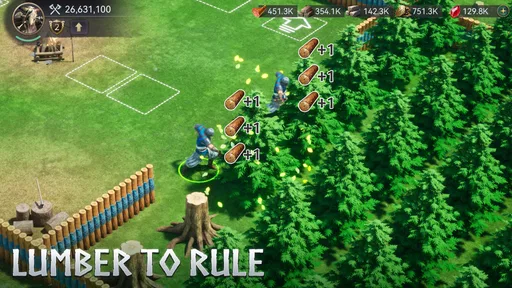
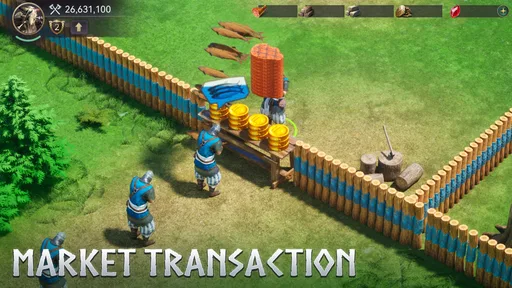
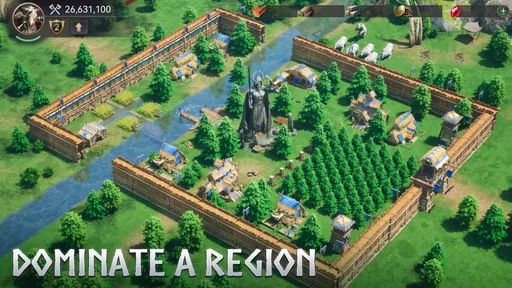
Viking Rise is a strategy game centered on building a Viking settlement, gathering resources, training troops, and expanding your territory. It combines city management and real-time battles with a shared world where players can explore, fight enemies, and interact with other clans. If you enjoy games that reward planning and regular progression, its mix of base development and combat may appeal to you.
Yes. Multiplayer is a major part of Viking Rise: you can join a clan, coordinate with other players, and take part in activities involving shared objectives or competition. Working with a clan can make it easier to pursue larger goals, but it also means some of the game’s social and strategic experience depends on other players being active. Check the current in-game events and server options before committing to a group.
Viking Rise is generally offered as a free-to-download game, with optional in-app purchases that can provide resources or speed up parts of progression. You can play without paying, but advancement may require patience and regular resource management, especially as upgrades and troop training take longer. Before making a purchase, review the item details and your device’s payment settings, and remember that availability and pricing can vary by country.
Viking Rise is designed around an online world, including player interaction, clans, and ongoing game events, so you should expect to need an internet connection for the main experience. A stable connection is especially useful during battles and when communicating or coordinating with other players. If you are looking for a game to play fully offline while traveling, this may not be the best fit; check the store listing for current connectivity requirements.
Viking Rise features fantasy warfare and competitive interactions, and it may include player communication and optional in-app purchases. Its age rating and available safety controls can differ between Android, iOS, and regions, so parents should check the rating shown in their local app store before downloading. It is also sensible to review chat settings, discuss contact with other players, and use device-level purchase restrictions if children will play.
On Android, Viking Rise asks for these permissions.
Viking Rise is also available in 2 other languages on our site.
4.6 out of 5
969,697 reviews
Strategy · IGG.COM

Strategy4.5 out of 5

Strategy4.4 out of 5

Strategy3.7 out of 5

Strategy4.5 out of 5

Strategy4.8 out of 5

Strategy4.1 out of 5
Strategy4.5 out of 5

Strategy4.5 out of 5
Strategy4.1 out of 5
Strategy4.5 out of 5

Strategy4.1 out of 5

Strategy4.5 out of 5

Strategy4.2 out of 5
Strategy4.6 out of 5

Strategy4.6 out of 5

Strategy4.4 out of 5
Strategy4.1 out of 5

Strategy4.6 out of 5

Strategy4.4 out of 5

Strategy4.5 out of 5



Gamesive reviews games on its own and is not paid by developers for scores. We do not host game files: the download buttons open the official Google Play and App Store pages. Names, icons and screenshots belong to their owners.