
Doomsday × FAIRY TAIL
Strategy4.5 out of 5
For Android & iOS · ELECTRONIC ARTS
 Analysis by Gamesive
The first thing I enjoy about Plants vs. Zombies™ is how quickly it gives me a clear problem to solve: protect the house by choosing plants that can stop the approaching zombies. It is a strategy game, but it does not begin by burying me in complicated rules. I can focus on what each plant does, where to place it, and whether my plan will hold when the next wave arrives. That easy-to-read setup makes it a comfortable pick-up-and-play game, while the need to adapt keeps a level from feeling like a simple tap-through.
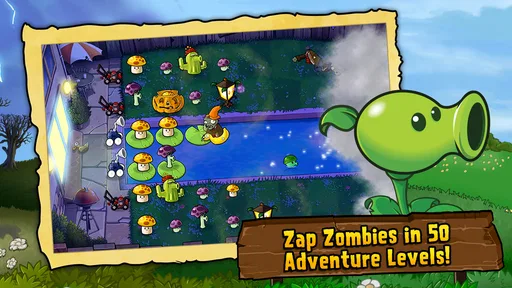
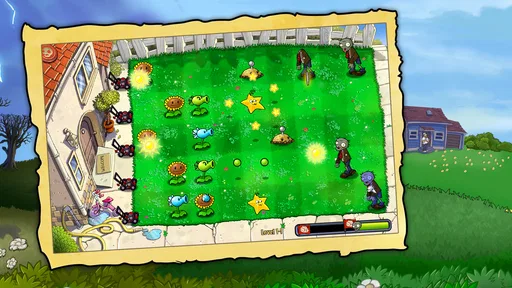
Early on, the goals are satisfyingly immediate. I am not thinking about a sprawling strategy or a long chain of upgrades; I am trying to get through the next encounter with a sensible defense. The lawn acts like a small tactical puzzle. Plant choice and placement matter, and a lineup that seems strong at first can leave a gap once the pressure shifts. That makes the basic loop easy to understand without making every decision meaningless.
I also like that the game’s comic tone softens the tension. The zombies are threats, but the colorful presentation stops the action from feeling grim or punishing. That balance is a big part of why I can recommend it to someone who wants strategy in short bursts rather than a dense, serious battlefield simulator.
My practical advice is to treat a new level as a chance to learn, not as a test of how quickly I can fill the screen. I pay attention to which lanes become troublesome and which plants actually answer the threat in front of them. When a defense fails, changing one part of the plan is more useful than repeating the same setup and hoping for a different result. This small habit turns early losses into useful feedback.
The central skill is anticipating what the lawn will need, rather than reacting only after a zombie is close. I try to keep the overall defense balanced: one vulnerable lane can undo a strong-looking arrangement elsewhere. That is a more interesting lesson than simply collecting a favorite plant and using it everywhere. Even when I am playing casually, the game rewards looking across the whole board and making choices with the next wave in mind.
For a quick everyday session, this structure works well. I can play when I have a little time, concentrate on a contained challenge, and stop without needing to remember a complicated campaign plan. The trade-off is that a short session still asks for attention. If I want something completely passive to leave running in the background, this is not the right fit; its appeal comes from making decisions as the situation develops.
As I move forward, progress is most satisfying when it changes how I approach the lawn. New situations encourage me to reconsider which plants deserve space and how much protection each lane needs. Rather than treating advancement as a number going up, I find it more useful to ask whether I have learned a better answer to the problems a level presents. That makes each successful defense feel earned, especially when it follows a change in strategy rather than luck.
One useful way to judge a difficult attempt is to separate a poor opening from a poor overall plan. If the first choices leave me short on coverage, I can adjust the start. If the board is stable until a particular lane becomes crowded, I can focus on that weakness instead. This makes retries more deliberate and helps avoid the frustrating cycle of making several changes at once without knowing what helped.
The game is also a good match for players who enjoy learning through repetition. I do not need to master every possibility immediately; I can notice a threat, test a response, and refine my approach over time. But players who expect a single universal strategy may find that approach less satisfying. The fun is in adapting, not in discovering one setup and never thinking about it again.
The difficulty works best for me when it asks for more careful planning rather than faster fingers alone. A crowded board can make a previously reliable arrangement feel inadequate, and that is where the strategic side comes through. I need to consider the shape of the threat, protect weak spots, and avoid spending all my attention on the most obvious lane. Small improvements in judgment can make a noticeable difference.
There is a limit to that appeal. When I am tired or only half paying attention, a level that calls for a thoughtful response can feel more irritating than relaxing. The colorful presentation may look light, but the game still expects me to notice what is happening and make timely choices. I would choose it for a focused break, not as a no-effort distraction.
Compared with strategy games built around broad maps, armies, or extended sessions, Plants vs. Zombies keeps its decision-making unusually compact. That makes it easier to approach, especially for someone new to the genre, but it also means the pleasure is concentrated in reading the lawn and adjusting a defense. If I want diplomacy, large-scale resource planning, or a long match with other players, I would look elsewhere. Here, the satisfying question is much smaller: can this particular arrangement survive what is coming?
Its lasting pull comes from the gap between a simple rule and the many ways a defense can go wrong. I can understand the objective in moments, yet still have a reason to improve my choices. That is a strong foundation for replay, because a failed attempt can point toward a specific correction instead of leaving me unsure what happened.
Still, repetition is part of the deal. The same basic task of defending the house remains at the heart of play, so someone who needs every session to introduce a radically different kind of activity may tire of it. I find it more rewarding when I approach each challenge with a question—such as whether my opening is too slow or a lane needs more support—than when I play on autopilot.
There is also a sensible distinction between enjoying the game and feeling pushed to spend. It is free to download, but it includes in-game purchases, with individual items priced from $0.99 to $7.99. I would start by seeing how far the ordinary play suits me before buying anything. If optional purchases are likely to distract me from the strategy or make me feel that progress must be paid for, that is a reason to be cautious rather than a reason to spend automatically.
Electronic Arts released the game on November 13, 2014, and it remains a familiar name with a very large audience: it has passed 500 million installs. Its average rating is 3.7 from 5.7 million ratings, alongside 117,000 written reviews. I read those numbers as signs of broad reach, not a promise that every player will enjoy the pacing. A popular game can still be the wrong match if its repeated defense-focused play is not what someone wants.
The current version is 3.18.0, and the minimum operating-system requirement is 7.0. Its age rating is Everyone 10+. Those details make it easier to judge whether the game suits a device and household, while its cheerful style and straightforward objective help make it approachable. The strategy itself, however, still rewards patience and attention more than the bright presentation might suggest.
I would recommend it to someone who likes short tactical puzzles, enjoys adjusting a plan after a setback, or wants an accessible first step into strategy games. It is particularly good for a player who can enjoy gradual learning: notice a weakness, try a different plant mix, and see whether the lawn holds up better. The game’s strongest moments come from understanding why a plan worked, not merely watching the result.
I would skip it if I wanted a story-heavy adventure, a broad competitive strategy experience, or a game that asks for almost no concentration. I would also be wary if repeated attempts tend to frustrate me, because learning through adjustment is central to its appeal. For those who like compact decisions and a playful setting, though, its familiar premise still gives each defense room for judgment.
For me, Plants vs. Zombies succeeds because its goals are clear, its progress is most rewarding when it teaches a better response, and its challenge gives me a reason to rethink rather than simply repeat. The pacing suits brief, focused sessions, but it is not endlessly varied, and in-game purchases are worth keeping in mind. I would happily suggest it to a friend who wants a light-looking game with real tactical choices underneath. The best way to enjoy it is to stay curious about what each loss reveals and to make one thoughtful adjustment at a time.
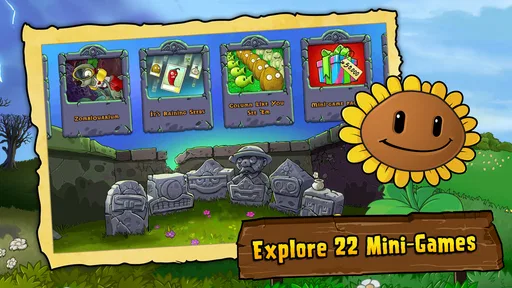
Plants vs. Zombies is a tower-defense game in which you protect a home from waves of zombies by planting defenses across a garden. Each plant has a different role, such as attacking enemies, generating the sun resource used to plant more units, or blocking a zombie’s path. The central challenge is choosing a useful combination of plants and placing them before the advancing zombies reach the house.
Availability, price, and included features can vary by platform, country, and store listing. Check the current Google Play or App Store page before downloading to see whether the version is free or paid and whether it offers optional in-app purchases or advertising. Also review the listing’s age rating, device requirements, and payment details so you know what to expect before installing.
Much of the classic Plants vs. Zombies experience is designed around single-player stages, so an internet connection may not be necessary for every session. However, store verification, downloads, updates, advertisements, purchases, or certain additional features may require connectivity, depending on the version. Check the app’s current store description and test your specific installation if offline play is important to you.
The game uses colorful cartoon characters and humorous, non-realistic depictions of zombies rather than graphic violence. Its straightforward controls and gradually introduced mechanics can make it approachable for younger players, although the game still involves planning, timing, and defending against enemies. Parents should check the age rating and store disclosures for their region, particularly for information about ads, purchases, or other online features.
Make sure you select the intended Plants vs. Zombies listing from the official Google Play or App Store, since editions and features may differ. Check that your phone or tablet meets the listed operating-system and storage requirements, and read recent reviews for compatibility notes. It is also worth checking the current price, purchase and advertising disclosures, requested permissions, and whether your preferred language is supported.
On Android, Plants vs. Zombies™ asks for these permissions.
Plants vs. Zombies™ is also available in 2 other languages on our site.
3.7 out of 5
5,697,070 reviews
Strategy · ELECTRONIC ARTS

Strategy4.5 out of 5

Strategy4.4 out of 5

Strategy4.5 out of 5

Strategy4.8 out of 5

Strategy4.1 out of 5

Strategy4.1 out of 5

Sports4.6 out of 5

Racing4.4 out of 5

Sports4.3 out of 5

Sports4.6 out of 5
Strategy4.5 out of 5

Strategy4.1 out of 5

Strategy4.5 out of 5

Strategy4.2 out of 5
Strategy4.6 out of 5

Strategy4.6 out of 5

Strategy4.4 out of 5
Strategy4.1 out of 5

Strategy4.6 out of 5

Strategy4.4 out of 5
Strategy4.5 out of 5

Strategy4.4 out of 5



Gamesive reviews games on its own and is not paid by developers for scores. We do not host game files: the download buttons open the official Google Play and App Store pages. Names, icons and screenshots belong to their owners.