
Evony: The King's Return
Strategy4.1 out of 5
For Android · The Pokémon Company


 Analysis by Gamesive
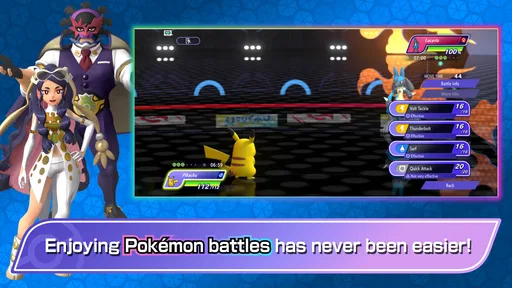
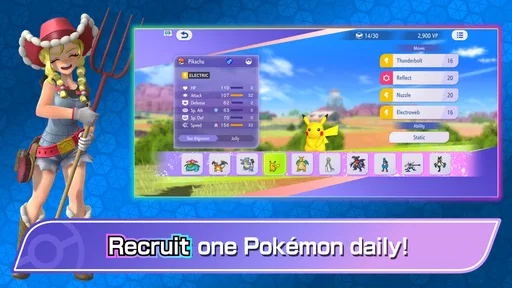
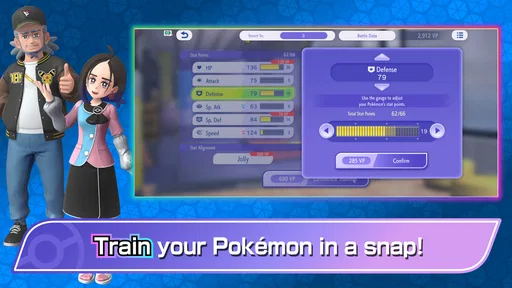
Pokémon Champions is a strategy game built around the appeal of familiar Pokémon battles. I see its clearest draw in how directly it points toward that experience: rather than promising a broad adventure, it gives battle-minded fans a reason to focus on planning, matchups, and the choices that make each encounter satisfying. It is free to download, and its broad Everyone age rating makes it an easy one to consider for younger players as well as longtime fans.
Developed by The Pokémon Company, the game has an average rating of 4.6 from around 253,000 ratings, with roughly 4,500 written reviews and over 5 million installs. Those figures suggest substantial interest, but they are not a substitute for deciding whether its particular focus suits you. A strategy game centered on familiar Pokémon battles is appealing if you enjoy thinking about what to do next, not just watching a team trade attacks.
My main reason to recommend giving it a look is that the premise is immediately understandable. Pokémon battles already have a recognizable rhythm: assess the situation, choose a response, and try to anticipate what the opponent might do. A game organized around that familiar format can make strategic decisions feel approachable, even if you are not someone who usually seeks out complicated strategy titles.
That focus also sets expectations. If what you want is a sprawling journey through a world, a story-led role-playing game may be a better fit. Champions is most naturally suited to players who want the battle itself to be the point. I would approach it as a dedicated place for Pokémon matchups rather than assume it will replace every kind of Pokémon game.
Familiarity does not make a battle automatic. Knowing the Pokémon series gives you a useful starting point, but a strategy game still asks you to make decisions in context. A favorite creature is not necessarily the right answer in every situation, and a strong choice can become a poor one if you make it without considering what the other side may do.
One practical way I would approach a match is to pause mentally before each decision and ask two questions: what problem am I trying to solve, and what might the opponent do in response? That small habit helps keep choices deliberate rather than driven only by attachment to a favorite. It is particularly useful for players who know the series well but are used to treating battles as a quick exchange of attacks.
This is also where the game’s strategy identity matters most. The enjoyment is not only in seeing familiar Pokémon appear; it is in learning to make better decisions with them. If you like discussing matchups with friends or reconsidering why a battle went differently than expected, that kind of focus can give the game staying power. If you mainly want to collect characters or explore, the battle-centered premise may feel narrow.
Compared with a traditional Pokémon role-playing game, Champions puts the spotlight on battles rather than the larger journey around them. That is a meaningful trade-off, not simply a smaller version of the same experience. Players who enjoy exploration, narrative progression, and the feeling of traveling through a Pokémon world should look to a more adventure-oriented game. Those who want the strategic question of how to handle a familiar matchup may prefer this focused format.
Against other strategy games, the Pokémon identity is its strongest point of difference. You are not starting with an unfamiliar setting or a roster that takes time to care about; the series already supplies recognizable creatures and the emotional pull of choosing a team. That can make it a comfortable entry point for Pokémon fans who are curious about strategy. On the other hand, people who do not care about Pokémon may find little reason to choose it over a strategy game whose theme and systems they already prefer.
It is worth separating a battle-focused game from a promise of unlimited depth. A familiar setting can make strategic play welcoming, but it does not guarantee that every player will find the range of decisions they want. My advice is to judge it by whether you enjoy thinking through battles, not by expecting it to cover every activity associated with the franchise.
I would recommend trying it if you already enjoy Pokémon battles and want a game that treats them as the main attraction. It is also a reasonable choice for someone who likes strategy but feels intimidated by games that expect them to learn a completely new world. The familiar series context gives you a foothold: you can start with what you know and decide whether the tactical focus holds your interest.
It may suit a quick break at home when you have time to concentrate on one battle rather than commit to a long story session. A useful everyday routine is to play when you can give the match your attention, then reflect on one decision afterward. That is more rewarding than opening a strategy game while distracted and making choices without considering their consequences. I would not treat it as ideal background entertainment if your preference is to tap through without engaging with the battle.
Players seeking a narrative campaign, a large exploration component, or a relaxed collecting experience should be cautious. The store summary emphasizes familiar battles, and that is the safest way to understand the game’s appeal. If you are unsure, the free entry price makes it easier to see whether the central idea works for you, but free does not mean every optional purchase will be appealing or necessary.
A practical tip for new players is to avoid changing too many things at once when a match goes badly. If you alter your whole approach after every loss, it becomes difficult to tell which adjustment helped. Instead, identify one moment that felt decisive, consider what you expected to happen, and try a different response next time. That creates a clearer learning loop and helps turn familiar battles into a genuine strategy challenge.
Another useful habit is to think about your team as a set of answers to different problems, rather than a lineup of personal favorites alone. Favorite Pokémon can still be part of the plan, but it helps to ask what role each choice is meant to serve. This is not a claim about a particular menu or hidden feature; it is a way to approach the battle-focused premise more thoughtfully. It can also make conversations with friends more interesting, since you can explain the reasoning behind a choice instead of simply naming a favorite.
For younger players, the Everyone age rating is reassuring as a broad content signal. I would still recommend that parents discuss optional spending before handing over a device, especially because the game includes in-app purchases. That is a more useful precaution than assuming every free game has no costs to consider.
The game is free, with in-app purchases ranging from $3.99 to $49.99 per item. I would begin without spending and first decide whether the core battle experience is something you genuinely want to return to. Optional purchases are easier to assess once you know what you value in the game; buying early can leave you paying for extras before you have established whether the basic play suits you.
Its current version is 1.2.3, and it was released on June 11, 2026. Those facts place the game at an identifiable point in its development, but a version number alone does not tell me what changed or how substantial any update was. Existing players should treat the current release as the version available to play now, rather than assume that a number on its own guarantees a particular feature, balance adjustment, or improvement.
For someone who has already played, the sensible question is whether the current build still provides the battles and strategic decisions they came for. For a new player, the version is useful context when checking that the app is up to date, but it is not a reason by itself to expect a particular evolution. I would keep expectations grounded in what the game presently offers rather than buying into hopes about future additions.
The clearest limitation is also the clearest design choice: a battle-first focus will not satisfy everyone. Pokémon fans who primarily value exploration may find that this is not the experience they want, even if the familiar cast appeals. Likewise, strategy newcomers who expect every decision to be obvious may need patience. The game’s accessible subject matter does not remove the need to think carefully about how a battle is unfolding.
There is also a real spending trade-off. The game costs nothing to start, but purchases can reach $49.99 for an item. That range is worth noticing before a child plays or before you make an impulse purchase. I would set a personal spending limit in advance, and avoid treating optional purchases as a shortcut to enjoying the game. First establish whether its core battles are compelling enough to earn your time.
Finally, a large audience and a strong average rating can help you see that many people are interested, but they cannot tell you whether your own preferred style is represented. Ratings may reflect different expectations: one player may value a focused battle game, while another may have hoped for a broader Pokémon adventure. Reading the premise carefully is more useful than relying on popularity alone.
For the game’s evolution, I would pay attention to the actual version notes in the app store when updates arrive, rather than infer changes from a rising version number. The release date and current version establish a snapshot, not a roadmap. It is reasonable to hope that a battle-centered game will continue to be refined, but future features or changes should remain expectations until they are announced and available.
Existing players can also watch their own experience: are they still making interesting decisions, or are sessions beginning to feel routine? That is a more personal measure of whether the game is keeping its promise for them than any broad popularity figure. New players should focus on the same question during their first sessions: does planning a battle feel satisfying enough to return to?
I think Pokémon Champions is worth trying for fans who want familiar Pokémon battles to take center stage and are willing to engage with the strategic choices behind them. Its free entry point lowers the risk of finding out, while its purchase range makes a little spending awareness sensible. It is not my recommendation for someone looking first for a long adventure, but for a battle-minded fan, Pokémon Champions has a clear, easy-to-understand reason to be on the phone.
Overall, I would treat it as a focused strategy option rather than an all-purpose Pokémon game. Give it a fair test when you can pay attention, make decisions thoughtfully, and resist spending until you know what you want from it. If those conditions fit the way you like to play, it is an inviting place to revisit the series through the part many fans already enjoy most: the battle itself.
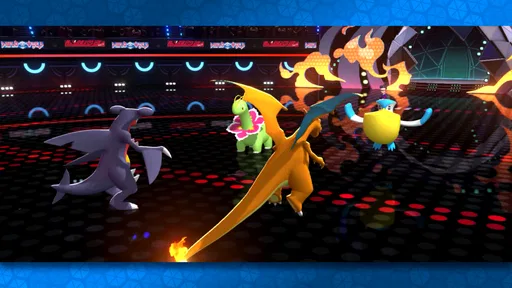
Pokémon Champions is a battle-focused Pokémon game built around team building and turn-based combat rather than exploring a large region or following a traditional adventure. You choose Pokémon, prepare a lineup, and compete in battles using familiar moves, types, abilities, and strategies. The exact features and available modes can depend on the platform and version, so check the official store listing before downloading.
The price and purchase options for Pokémon Champions can vary by platform, region, and release details. A game may be free to download while still offering optional purchases, subscriptions, or other paid content. Before installing, review the current Google Play or App Store listing for the download price, in-app purchase information, and any platform requirements. Do not assume every feature is available without additional payment.
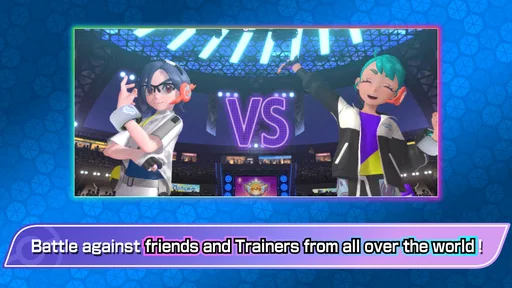
Pokémon Champions is designed around competitive battles, so an internet connection may be needed for online matchmaking, account features, updates, or other connected services. Whether any practice or single-player options work offline can depend on the current version. Check the game’s official description and support information if offline access matters to you, and plan to use a stable connection for online matches.
Connections with other Pokémon games or services may depend on the supported platform, account setup, and the features available in your version. Do not assume that every Pokémon you own can be transferred or used in Pokémon Champions. Before downloading, check official compatibility information for supported games, services, and accounts, along with any limits on transferring, recruiting, or using Pokémon in battles.
First confirm that Pokémon Champions is officially available for your device and region, since platform releases and availability can differ. Check the store listing for operating-system requirements, storage space, age rating, online connection needs, and in-app purchases. Download only from an official app store or a source linked by the publisher, and review the listed permissions and privacy information before installing.
On Android, Pokémon Champions asks for these permissions.
Pokémon Champions is also available in 2 other languages on our site.
4.6 out of 5
253,224 reviews
Strategy · The Pokémon Company

Strategy4.5 out of 5

Strategy4.4 out of 5

Strategy3.7 out of 5

Strategy4.5 out of 5

Strategy4.8 out of 5

Strategy4.1 out of 5

Card4.6 out of 5
Strategy4.1 out of 5

Strategy4.5 out of 5

Strategy4.1 out of 5
Strategy4.5 out of 5

Strategy4.2 out of 5
Strategy4.6 out of 5

Strategy4.6 out of 5

Strategy4.4 out of 5
Strategy4.1 out of 5

Strategy4.6 out of 5

Strategy4.4 out of 5

Strategy4.5 out of 5


Gamesive reviews games on its own and is not paid by developers for scores. We do not host game files: the download buttons open the official Google Play and App Store pages. Names, icons and screenshots belong to their owners.