
Car Wash: Auto Repair Garage
Role Playing4.7 out of 5

For Android & iOS · thatgamecompany inc
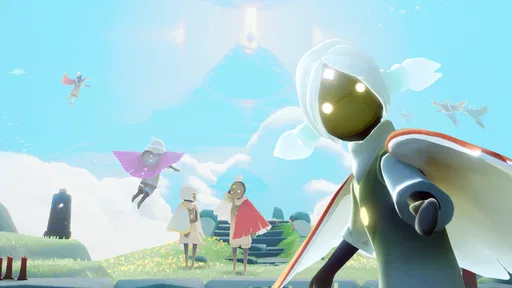

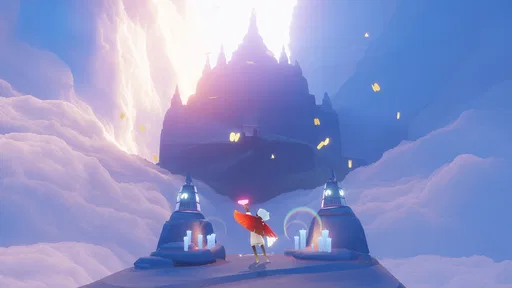
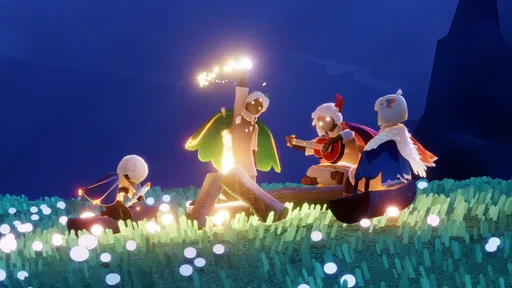

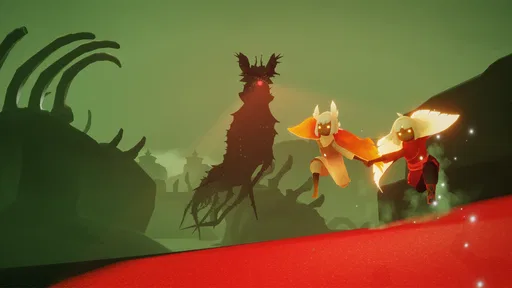

 Analysis by Gamesive
I find Sky: Children of the Light works best when I stop treating it like a conventional role-playing game and let its quieter pace set the agenda. It gives me room to explore, notice the people around me, and decide how much time I want to spend in a session. That makes it an unusual fit for anyone who wants a game to feel restorative rather than demanding. It can also frustrate players who expect constant combat, clear quest markers, or rapid character progression.
Made by thatgamecompany inc, Sky is a free-to-play multiplayer role-playing game with an Everyone 10+ content rating. Its appeal is easy to understand: it puts human connection and a peaceful mood at the center of the experience. In practice, though, that focus is a choice with consequences. The game asks for curiosity and patience, and it rewards those qualities more reliably than a hunger for efficiency.
The central decision is often less about which build to use and more about what kind of visit I want to make. I can wander, take in the environments, and follow what catches my attention, or I can give a session a purpose by looking for something specific and moving with intent. That freedom is a strength, but it means the game may not immediately tell a new player what counts as a satisfying next step.
For a useful first session, I would avoid trying to understand everything at once. Pick a simple goal, such as exploring an unfamiliar area or seeing how other players behave, then leave time to get sidetracked. In Sky, an unexpected encounter can be as memorable as reaching a destination. This is not a game where every minute needs to produce a visible reward, so judging it by the number of tasks completed can make it feel thinner than it is.
That open-ended rhythm also shapes the multiplayer experience. Other people are part of the world, but the game’s gentle tone means I would not approach it expecting the social structure of a competitive online game. It suits players who enjoy shared presence and small interactions without needing every meeting to become a conversation or a team strategy session.
A practical everyday use case is a short break after work or study. I can open the game without needing to commit to a long, high-pressure match, spend a little time exploring, and stop when I feel ready. The tradeoff is that a brief visit may not provide the same sense of completion as a tightly structured mission. If I only have a few minutes and want an unmistakable win condition, a puzzle game or action RPG may be more satisfying.
Sky has reached a broad audience, with over ten million installs and an average rating of 4.5 from around 1.2 million ratings. Those figures suggest substantial interest, but they should not be mistaken for proof that its pace suits everyone. The game’s real dividing line is temperament: people who enjoy calm exploration are more likely to connect with it than players who want frequent mechanical challenges.
One useful habit is to treat exploration as a choice rather than a checklist. If I follow every possible distraction, I may spend a session without a clear sense of progress; if I rush directly toward an objective, I can miss the atmosphere and chance encounters that give the journey character. I get the most from Sky by setting a loose intention, then allowing myself to change course when something genuinely interests me.
This is also a helpful way to manage expectations as a newcomer. I would not measure the opening hours against a traditional role-playing game’s rapid upgrades or dense combat systems. Instead, I would pay attention to how the spaces feel, how other players share them, and whether the game’s quieter form of discovery holds my attention. If those parts do not land, pushing through simply because the game is popular is unlikely to change the fit.
The social side is most appealing when I approach it without a strict agenda. A shared moment can make an otherwise ordinary journey feel personal, but the game is not necessarily the right place for someone who wants reliable voice-led coordination, fast matchmaking, or a strong competitive ladder. Those expectations belong more naturally to team-based action games.
There is a subtle planning tradeoff here: playing with other people can make the experience warmer, yet it can also pull attention away from an individual goal. I try to decide before a session whether I want to explore at my own pace or be open to following someone else’s lead. Neither approach is inherently better. Knowing which one I want prevents me from mistaking an unscripted social detour for a lack of direction.
For players who are cautious about online interactions, the gentle presentation may feel less intimidating than a confrontational multiplayer game. Still, I would keep ordinary online-game judgment: choose interactions that feel comfortable, and do not assume that a peaceful atmosphere means every stranger will share the same intentions. The best sessions come from being open without feeling obliged to engage with everyone.
Sky’s main risk is not a punishing combat encounter; it is mismatched expectations. A player who arrives looking for constant action can interpret its quieter stretches as empty, while someone who wants a calm place to explore may find that slower pace exactly right. I would give it a fair try only if I am genuinely open to a game where mood, movement, and company matter as much as conventional objectives.
The reward is an experience that does not need to turn every decision into a test. That can make it a welcome contrast to games built around tight deadlines or repeated competition. Yet calm does not automatically mean compelling. If I need a clear chain of goals to stay engaged, I may have to supply my own short-term intention, and some players will reasonably prefer a game that provides more obvious structure.
One adaptation that helps is to vary the scale of a session. On a busy day, I can treat Sky as a brief visit and focus on one direction of exploration. When I have more time, I can let the journey unfold without checking constantly whether I have been efficient. That change in mindset is more useful than trying to force every session into the same routine.
Another practical tip is to separate “I enjoyed being here” from “I made measurable progress.” In a conventional progression-focused RPG, those two things often rise together. Here, they can diverge. A session may be pleasant even if I did not reach a particular destination, and a long session may feel underwhelming if I treated every moment as a task to optimize. That distinction is important for deciding whether the game’s slower rewards suit me.
Sky is free to download, but it includes optional in-app purchases priced from $0.99 to $49.99 per item. I would make the initial decision based on whether I enjoy the core experience, not on the assumption that spending is necessary to make the game worthwhile. If I am trying it with a child, the Everyone 10+ rating is a useful starting point for deciding whether its content is appropriate, while any purchase decisions should still be handled thoughtfully.
Early exploration and later revisits need not feel identical. At first, unfamiliar places and the basic social atmosphere deserve most of my attention. Once I know what kind of experience I enjoy, I can be more deliberate about choosing a route, deciding whether I want company, or keeping a session short. That shift from discovery to intention is a natural way to adapt without turning the game into a checklist.
If a session feels aimless, I would change one thing rather than conclude immediately that the whole game is not for me. I might pick a destination, stop seeking interaction and explore alone, or do the opposite and remain open to company. These are modest adjustments, but they reveal whether the problem is the game’s overall rhythm or simply the way I approached that particular visit.
The game is currently at version 0.35.2 (426499), and its Android minimum requirement is OS 8.0. I would check that my device meets the requirement before installing, then judge performance and comfort on my own device rather than assuming a shared experience across every phone or tablet. The game’s visual presentation and unhurried movement are part of its appeal, so a device that makes playing uncomfortable can blunt the very qualities that distinguish it.
Sky’s depth is less about mastering an obvious combat loop and more about understanding what makes a session worthwhile to me. That can take longer than learning a simple control scheme, because personal preference matters: some people will value the exploration, some will return for the shared atmosphere, and others may decide they need firmer goals. The game does not have to become a different kind of RPG to reward repeated visits.
This is where it differs from many role-playing alternatives. A traditional action RPG often offers combat encounters, equipment decisions, and a clear power curve as its main sources of momentum. Sky favors a softer kind of engagement, where the journey and other players help shape the experience. For players who want deep build planning or tactical combat, a more mechanics-heavy RPG is the better choice. For those tired of constant escalation, this contrast is precisely the point.
Repeated play is most likely to work when I let my goals evolve. I might begin by simply learning the spaces, then later return with a clearer idea of what I want from a visit. I would not recommend forcing a daily routine if the experience starts to feel like an obligation. Its peaceful character is valuable only if I preserve the freedom to play at my own pace.
I would recommend Sky to someone who likes atmospheric exploration, is comfortable with a gentle pace, and enjoys the possibility of sharing a world without requiring every interaction to become a structured team activity. It is also a strong option for a player looking for a change from competitive or combat-heavy games. Its free entry makes it easier to test that fit for myself before deciding whether I want to keep it in my rotation.
I would suggest skipping it, or at least lowering expectations, if the main reason for playing is to win matches, optimize a character build, or follow a tightly signposted quest chain. It may also be a poor match for someone who dislikes online spaces altogether, since the presence of other players is part of its identity. A solo adventure or a traditional single-player RPG will be a better fit for anyone who wants complete control over pacing and encounters.
My verdict is that Sky: Children of the Light earns its place as a distinctive, gentle multiplayer role-playing game, but only when I meet it on its own terms. I like it most as a place to explore with a loose plan, not as a machine for constant rewards. Its biggest strength and its main limitation are closely connected: it leaves space for quiet discovery, and that space can feel aimless if I need the game to decide what matters for me.
That makes the decision straightforward. If a peaceful, social journey sounds appealing, I would try it and give myself time to settle into its rhythm. If I want sharper objectives, frequent action, or a robust competitive loop, I would choose another game in the genre. For me, Sky is most rewarding when I plan lightly, stay open to changing course, and let a good moment count even when it is not a conventional victory.
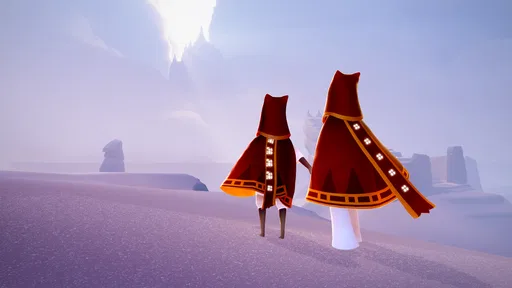
Sky: Children of the Light is a social adventure game set across a series of atmospheric, open areas. You explore, solve light environmental puzzles, collect items, and help spirits while learning the story through your surroundings. Its focus is on discovery and cooperation rather than combat. You can travel alone, but meeting and helping other players is a central part of the experience.
The game is free to download and play, so you can explore its main world without paying upfront. It also offers optional in-app purchases, such as cosmetics and seasonal or event-related content. These purchases are not required to experience the core adventure, but available items and progression opportunities can vary over time. Check the store listing and in-game purchase details before spending.
Yes. Sky is designed as an online social game, so you generally need an internet connection to play and interact with other players. Connection quality can affect loading, exploration, and cooperative activities, especially on mobile networks. If you plan to play while traveling, check that you have reliable access and be mindful of mobile data use; offline play is not the usual way to experience the game.
Yes. Meeting and exploring with friends is one of the game's main attractions. Players can connect in the game, travel through areas together, and cooperate to reach places or complete activities. Social interactions are introduced gradually, and some features may require in-game resources or progress to unlock. The game also supports play across supported platforms, though availability and account-linking details can depend on the platform and current service setup.
Sky has a gentle, non-combat-focused style and emphasizes exploration, kindness, and cooperation, which may appeal to families. However, it includes online interaction with other players and optional in-app purchases. Parents should review the age rating for their region, discuss online safety, and check device or platform settings for chat, privacy, and purchases. The exact controls and protections can differ between platforms and may change with updates.
On Android, Sky: Children of the Light asks for these permissions.
4.5 out of 5
1,173,824 reviews
Role Playing · thatgamecompany inc

Role Playing4.5 out of 5

Role Playing4.6 out of 5

Role Playing4.7 out of 5

Role Playing4.6 out of 5

Role Playing4.0 out of 5

Role Playing4.7 out of 5
Role Playing4.7 out of 5

Role Playing4.6 out of 5

Role Playing4.4 out of 5

Role Playing4.3 out of 5

Role Playing4.3 out of 5

Role Playing3.9 out of 5

Role Playing3.9 out of 5

Role Playing4.6 out of 5

Role Playing4.2 out of 5

Role Playing4.2 out of 5

Role Playing3.9 out of 5

Role Playing4.6 out of 5



Gamesive reviews games on its own and is not paid by developers for scores. We do not host game files: the download buttons open the official Google Play and App Store pages. Names, icons and screenshots belong to their owners.