
Street Racing 3D
Racing4.5 out of 5

For Android & iOS · Zynga





 Analysis by Gamesive
I see CSR 2 Realistic Drag Racing as a game that works best when you want a quick, focused race rather than a long driving session. Its appeal is less about steering through traffic and more about preparing a car, lining up, and getting the timing right in a short drag run. That makes it easy to pass a phone around at home, but it also means shared play benefits from a little coordination: progress, purchases, and who gets the next turn are worth discussing before the racing starts.
As a racing game from Zynga, CSR 2 keeps its central activity compact. You choose a car and take part in straight-line races, where shifts and launch timing matter more than navigating a winding course. I like that this makes a race easy to fit into a break or a few spare minutes. A family member can watch one run, take a turn, and hand the device back without needing to learn a complicated control scheme first.
That simplicity has a trade-off. Players looking for the tactile feeling of steering around corners may find the drag format narrow. Compared with the usual circuit racers, this is a more deliberate, stop-and-go experience: the interest comes from improving a car and executing a clean run, not from mastering a long track. If your household wants a game everyone can pick up casually, that focus helps. If everyone expects a full driving sandbox, it may feel limited.
The game is free to download, which makes trying it together straightforward, but in-app purchases range from $0.99 to $119.99 per item. I would agree on a simple household rule before sharing a device: whoever is playing should not make a purchase without checking first. That is especially useful when children can access the same phone or tablet. The price range makes it sensible to treat purchases as a deliberate decision, not part of an ordinary turn.
A realistic shared-device routine might be a parent doing a race while waiting for an appointment, then letting a teenager try to beat the result on the way home. Because the race itself is brief, turns can stay informal. The part that needs more care is not the handoff but the sense of ownership: one player may care about the cars and upgrades they have worked toward, while another may simply want to try a race.
I would avoid treating a shared game as though every player automatically has a separate personal space. Before anyone spends time progressing, decide whether the device is being used for one household run or whether each person should play on their own device and account arrangement. That small conversation can prevent arguments over someone else’s choices. It also avoids assuming that a game offers family profiles or controls when those should be checked directly in the app and the device settings.
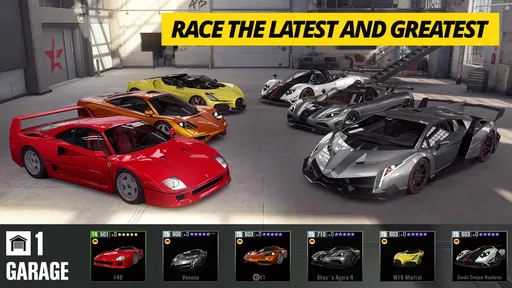
The collection and upgrading side gives the game a longer arc than its short races suggest. A useful way to play is to choose one car or goal for a session, then make a few runs with that purpose in mind. Otherwise, it is easy for a casual player to tap through menus and races without knowing what they are trying to improve. When sharing, this approach also makes handoffs clearer: the next player can take a turn without accidentally changing the plan of the person who was working toward a particular target.
My practical tip is to pause at the garage before passing the device. Look at what the current player intends to do next, and avoid making upgrades or other lasting choices on their behalf. This is not a special household feature; it is simply a better way to share a progression-focused game. The distinction matters because a race is temporary, while a choice about a car or its development can affect the way the next session feels.
Another helpful habit is to separate “watch a race” from “take over the game.” A younger player may enjoy seeing the cars and the close timing of a run without being ready to handle every menu choice. Letting them observe first can make the mechanics easier to understand, while keeping the person who owns the current progress in control of decisions. It is a small adjustment, but it suits a game where preparation is part of the appeal.
Because the action centers on drag racing rather than cornering, I would not judge success by how well someone handles a virtual steering wheel. The key satisfaction is learning the rhythm of a launch and gear changes, then seeing whether a better run follows. That gives a new player a clear, manageable challenge. It also means that a younger or less experienced driver can understand the basic goal quickly, even if getting consistent results takes practice.
For a fair turn-taking setup, I would keep sessions short and let each person run a similar number of races rather than handing over the phone indefinitely. The game’s format lends itself to that arrangement. It also gives everyone a chance to watch what changes between attempts: whether a different approach to shifting improves the run, or whether progress depends on developing the chosen car. Treating each attempt as a small experiment makes the racing more engaging than simply tapping through as quickly as possible.
There is a limit to that learning loop. If someone wants a game where they can explore a large environment, steer freely, or improvise their own route, this is the wrong kind of racing. A circuit or open-world alternative would suit them better. CSR 2 is for players who enjoy a focused contest and the garage decisions around it, not for every person who likes cars.
The game has a Teen content rating, so I would take that age guidance seriously when deciding whether it suits a child. A parent can look through the game together with the young player and decide whether its presentation and competitive style fit their expectations. The rating is a starting point for that conversation, not a substitute for knowing the child or checking the experience on the device they will use.
For a shared household device, I would also check the device’s purchase settings and explain that the game includes paid items. A child may see an appealing car or an upgrade and assume that spending is part of normal play. A clear rule—ask before buying, and do not enter payment details without an adult—keeps the boundary understandable. I would not rely on a child recognizing the difference between a free download and optional purchases on their own.
Account boundaries deserve the same plain approach. If several people use one device, agree on who is responsible for the game’s progress and who may change settings or make decisions. If each person wants a distinct personal experience, check the available account and device options before starting. That is more reliable than assuming the game itself provides separate household profiles. It also helps adults keep their own play separate from a child’s access without turning every handoff into a negotiation.
CSR 2 has a 4.6 average from around 5.3 million ratings, with about 661,000 written reviews and over 50 million installs. Those figures suggest a broad audience for its particular take on racing, but they do not tell me whether its pace suits a specific household. I would put more weight on trying a few races and seeing whether everyone enjoys the timing-focused format than on popularity alone.
It is free to play, and the current version is 6.8.0. The game was released on June 29, 2016, and supports Android 7.0 or later. Those details are useful when deciding whether an older Android device can run it, though the experience still depends on the device itself. I would check compatibility in the app store before planning a shared setup, especially if the household uses an older phone or tablet.
Against a conventional track racer, CSR 2 exchanges steering and cornering for short, timing-based drag contests and car development. That makes it a better fit for a quick shared turn than a game built around longer races, where passing the device mid-event would be awkward. It can also appeal to someone who enjoys collecting and refining cars more than navigating a course. The downside is that the central race pattern may become repetitive for players who need varied tracks and driving challenges.
It is also not the best choice for a household seeking a calm game with no purchase decisions to discuss. The free entry point is convenient, but optional paid items and ongoing car progression call for adult awareness when children are involved. If those boundaries are comfortable and the players like competing over short runs, the format makes sense. If they want a purely casual driving toy or a shared experience with distinct individual profiles, I would look at alternatives better suited to those needs.
I would recommend CSR 2 to a household that enjoys cars, quick challenges, and a little friendly comparison over who can produce the cleaner run. It is particularly easy to share in short turns, and its focus gives new players a straightforward way to understand what they are trying to do. The most useful household habit is to agree on who owns the current progress, how turns work, and whether purchases require permission before anyone starts building a collection.
I would skip it for a family that mainly wants free-form driving, long courses, or a game where everyone can assume separate progress without checking how the device and accounts are set up. The Teen rating and paid items also mean it deserves an adult’s attention before younger players use it. For the right group, though, the compact drag-racing loop is an easy way to fit a shared game into everyday downtime—provided everyone understands that the garage choices are part of the experience, not just the races.
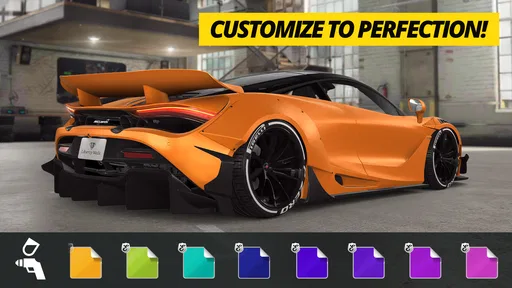
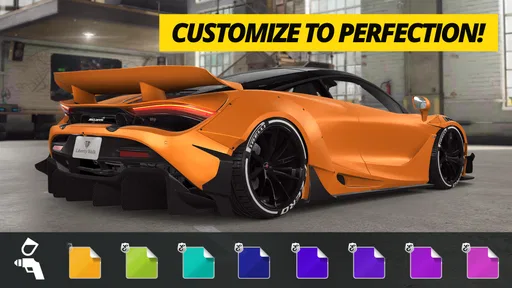
CSR 2 is a mobile drag-racing game focused on short, timed races and detailed car customization. Instead of steering through a full circuit, you launch, shift gears, and use nitrous at the right moment to beat your opponent. The game includes licensed cars, visual upgrades, tuning, online competition, and a story-driven campaign. Its realistic-looking presentation is a major part of the appeal, though performance can vary by device.
CSR 2 is generally free to download, but it includes in-app purchases and optional offers. You can progress by racing, completing objectives, and earning in-game currency, while purchases may provide currency, cars, or other progression benefits. Some upgrades and desirable vehicles can take time to earn without spending. Check the store listing and your device’s purchase settings before downloading, particularly if children may use the device.
Some parts of CSR 2 may be available without a continuous connection, but online features and certain game functions require internet access. Multiplayer races, live events, account services, and downloading updates are among the features that can depend on connectivity. Availability may also change after updates. If you expect to play while travelling or with limited data, launch the game beforehand and check which modes remain accessible when your connection is unavailable.
CSR 2 is available for supported Android and iOS devices, but compatibility and performance depend on your device’s operating system, hardware, and available storage. Its detailed car models and effects may run less smoothly on older or lower-powered phones, and the game may need extra space for downloaded content and updates. Before installing, check the current requirements on your device’s official app store and make sure you have a stable connection for setup.
CSR 2 features competitive racing and online play, so players may encounter other users and, depending on the current version, social or chat-related features. It also offers in-app purchases, which parents may want to restrict through device settings. The game’s age rating and available online controls can differ by region and change over time, so review the store listing and privacy settings before letting a child play or connect an account.
On Android, CSR 2 Realistic Drag Racing asks for these permissions.
CSR 2 Realistic Drag Racing is also available in 1 other languages on our site.
4.6 out of 5
5,341,002 reviews
Racing · Zynga

Racing4.3 out of 5

Racing4.6 out of 5

Racing4.3 out of 5

Racing4.5 out of 5

Racing4.6 out of 5

Racing4.5 out of 5

Card4.8 out of 5

Word4.1 out of 5

Sports4.4 out of 5
Racing4.5 out of 5

Racing4.5 out of 5

Racing4.6 out of 5

Racing4.6 out of 5

Racing4.3 out of 5

Racing4.4 out of 5

Racing4.5 out of 5

Racing4.2 out of 5

Racing4.5 out of 5

Racing4.6 out of 5

Racing4.6 out of 5

Racing4.4 out of 5


Gamesive reviews games on its own and is not paid by developers for scores. We do not host game files: the download buttons open the official Google Play and App Store pages. Names, icons and screenshots belong to their owners.