
MemeMix Challenge: Funny Party
For Android · Amobear VN Game Global
- 4.3 out of 5Rating
- 3.47KReviews
- 5.00M+Downloads
- CasualGenre
Game details
- Version
- 0.0.9
- Updated
- Requires
- 7.1
- Price
- Free
- Age rating
- Everyone
- In-app purchases
- $1.99 per item
Screenshots
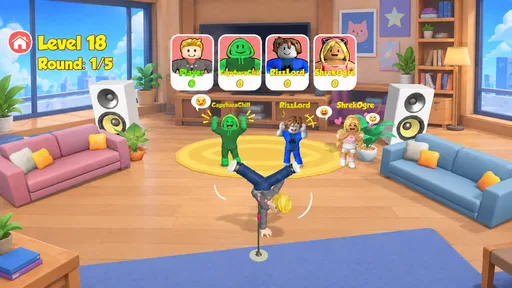
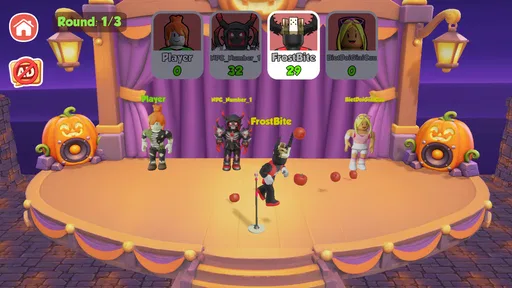
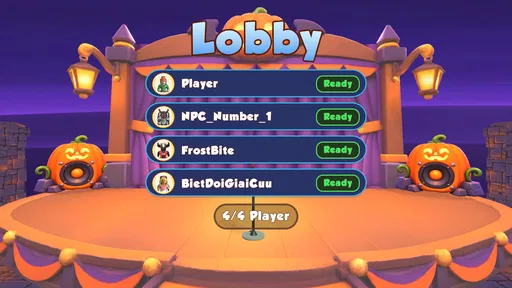
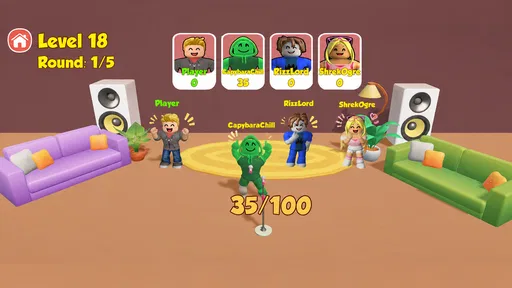
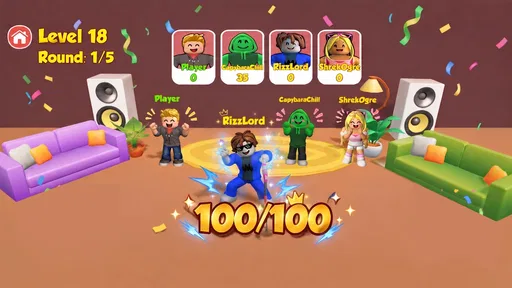
MemeMix Challenge: Funny Party review
 Analysis by Gamesive
I like party games that give a group something to do within seconds, and MemeMix Challenge: Funny Party has a simple hook: make a funny sound, let the game score it, and see how your friends fare. That makes it an easy pick for a casual get-together, especially when nobody wants to learn complicated rules. The catch is that the fun depends heavily on the people playing. If your group is shy, or expects a deep game with a steady stream of new goals, the basic sound-mimicking idea may wear thin.
Getting a round going
The natural way to play is to pass the phone around, take turns mimicking the prompt, and compare scores. I would start with a small group and make the first round deliberately silly rather than competitive. That lowers the pressure for anyone who feels awkward making noises in front of others, and it helps establish that the score is part of the joke, not a serious judgment of anyone’s performance.
That social setup is the game’s real strength. Unlike a trivia app, it does not ask players to know the same facts; unlike a standard word game, it does not reward only quick thinking. A sound can be interpreted in different ways, so players have room to put their own spin on it. In the right group, a technically poor imitation may get a bigger laugh than a convincing one.
A useful routine is to agree on turn-taking before starting. Decide who holds the device, whether everyone gets one attempt before anyone repeats, and how the group will handle ties or disputed scores. Those are small choices, but they prevent the phone from becoming the center of an argument. The app supplies the scoring element; the group supplies the house rules and the atmosphere.
It also works best as a short activity between other things rather than the sole plan for an evening. I can imagine bringing it out while friends are waiting for food or during a quiet patch at a casual gathering. A few rounds can break the ice, then the group can move on before the format starts to feel repetitive. If you want a game that carries a long session on its own, I would look elsewhere.
Make the room part of the game
Because the core action is vocal, the setting matters more than it would for a quiet puzzle. A busy room can make it harder for people to hear each other, while a very quiet room can make players self-conscious. I would choose a comfortable spot where everyone can hear the person taking a turn, and keep the phone close enough that the player does not have to shout across the room.
There is also a practical social trade-off: sound imitation is entertaining for people who enjoy performing, but it can put others on the spot. I would invite rather than pressure quieter players, and let the group laugh with a performance rather than at the person making it. That approach makes the game more welcoming and gives it a better chance of working with mixed personalities.
Check the basics before passing the phone
The game is free to start, but it includes in-app purchases listed at $1.99 per item. I would treat those as optional spending rather than assume they are necessary to enjoy a gathering. If you are setting up the game for friends, it is sensible to check the purchase controls on the device beforehand, especially if younger players may be handling it. The game is rated Everyone, but that does not mean every group will enjoy the same kind of humor or public performance.
Before a group session, I would also make sure the phone has enough battery and that players know whose turn it is. Those are not special features; they are simple habits that keep a quick party game from turning into a queue of people waiting while someone adjusts the device. If the room is loud, move closer together instead of asking players to exaggerate every sound. That keeps the activity more comfortable and makes the turns easier to follow.
The game is developed by Amobear VN Game Global. Its average rating is 4.3 from around 3,500 ratings, and it has passed 5 million installs. Those figures suggest that the sound-and-score idea has found a broad casual audience, though they cannot tell you whether your particular friends will enjoy performing. I would judge that by the group’s mood: people who already trade impressions and silly voices are much more likely to click with it than people who prefer quiet, individual play.
On Android, the listed minimum operating system is 7.1, and the current version is 0.0.9. If you are organizing a group session, checking compatibility before everyone gathers is an easy bit of preparation. I would also keep the app updated through the app store when convenient, rather than promising that a particular update will change the experience. The central appeal remains the same kind of social challenge: mimic, compare, and enjoy the reactions.
Build a repeatable rhythm
Experienced players can make the game feel smoother without relying on secret modes or shortcuts. Keep the device with one host for a few turns, rotate in a fixed direction, and avoid letting players immediately retry until they get a score they like. A consistent rhythm gives everyone a fair chance and stops the group from spending more time negotiating than playing.
Another useful habit is to separate the performance from the score. Let the player finish, allow a beat for the reaction, then look at the result. That pause gives the group space to enjoy the joke and keeps the scoring from cutting off the moment. If a round falls flat, move on rather than treating it as evidence that someone played badly. The game works best when the score is a prompt for laughter, not the whole point.
For a mixed-age gathering, I would let the group choose how dramatic to be. Children may happily make exaggerated noises, while adults who have just met may prefer a gentler first round. The Everyone rating makes the game broadly suitable by age, but social comfort still depends on the setting. A host who models a silly attempt first can make the activity feel less like a performance test.
It is also worth deciding in advance how much competition the group wants. You can simply compare scores for amusement, or keep track informally across turns. The second approach may give a competitive group a reason to continue, but it can also make players fixate on winning. I prefer treating each result as a quick talking point and letting the group decide whether to keep any running tally.
Where the format can run out of steam
The scoring is an appealing twist, but it may not satisfy players who want detailed feedback or a clear skill ladder. A score can make attempts feel like a challenge, yet it does not necessarily explain what made one imitation better than another. If your friends want a game with tactical choices, character progression, or a long-term objective, this is a lightweight alternative rather than a replacement.
Repetition is another real limitation. Sound mimicry is naturally funny, but the same basic activity can lose its freshness if the group plays for too long or if only a couple of people are willing to take turns. I would use it in bursts and switch to another activity once the room has had its laugh. That is not a failure; it is a sensible way to use a compact party game.
Compared with familiar casual alternatives, this is less about solving a puzzle alone and more about creating a shared moment. A word or trivia game usually gives players a clearer right-or-wrong target, while a drawing game turns the humor into something visual. Here, the voice is the entertainment, and the score adds a little competition. Choose it when your group enjoys being heard; choose a quieter or more strategic game if the room is reserved or people want individual turns without performing.
There is a further trade-off for gatherings in public or shared spaces. Sound-based play can be awkward where people nearby are trying to work, eat, or relax. I would save it for a suitable room rather than assume it is a good fit for a commute or a quiet waiting area. The same feature that makes the game lively among friends can make it disruptive outside that context.
Who should give it a try
I would recommend it to friends looking for a quick icebreaker, families who enjoy playful challenges, or anyone who likes making impressions more than studying rules. It is especially well suited to a group that can laugh at its own attempts and does not need every game to have a winner. For a host, the low-friction concept is useful: explain the idea, hand over the phone, and let the group establish its own pace.
I would skip it if you dislike making sounds in front of other people, need a game that works silently, or want substantial solo content. It is also not my first choice for a group that gets tense over scores. The app’s basic appeal is social, so the right company matters more than any setup trick. If people are reluctant, a different casual game with less performance pressure will probably be a better use of the evening.
A small game for the right kind of gathering
MemeMix Challenge: Funny Party is at its best when treated as a quick, shared diversion rather than a deep game. I like the way its sound-based turns give even a short gathering a clear activity, and the scoring can add a playful spark without demanding much explanation. Its free entry point makes it easy to try, while the optional purchases are worth keeping in mind if you manage a device used by children.
My practical recommendation is to start with a few willing players, set a relaxed tone, and keep turns moving. Check that the device is compatible, decide how competitive the group wants to be, and stop while the joke is still fresh. With those expectations, it can be a fun icebreaker. If you want quiet solo play, elaborate progression, or a game that stays engaging for a long session, I would choose something else.
What we like
- Quick rounds make it easy to play between other activities.
- A lighthearted format can help break the ice at parties.
- Creative prompts let players put their own spin on memes.
- Simple rules make it accessible to casual players.
- The party-focused concept works well for group play.
What could be better
- The fun depends on having other players around.
- Repeated prompts may feel less entertaining over time.
- Humor can vary widely between players.
- Some rounds may favor players who know current memes.
- It may not appeal to players seeking a solo experience.
Frequently Asked Questions
What is MemeMix Challenge: Funny Party?
MemeMix Challenge: Funny Party is a casual party game built around meme-style humor and quick challenges. It is intended for lighthearted play, whether you are taking turns with friends or trying activities on your own. The exact modes and content can vary by version, so check the app’s current store listing to confirm which challenges are included before downloading.
Can I play MemeMix Challenge: Funny Party with friends?
The game’s party-focused theme suggests it is designed to make shared play entertaining, with challenges that can prompt jokes and reactions. Before you start, check whether your version supports local multiplayer, online play, or simply taking turns on one device; these formats are not interchangeable. If you plan to play together, also confirm any player-count or connection requirements shown in the store listing.
Is MemeMix Challenge: Funny Party free to download?
The download price and any optional purchases may differ between the Android and iOS versions, and store details can change over time. Review the listing for your device before installing to see whether the game is free, whether it offers in-app purchases, and whether ads are present. If children may use the device, consider checking purchase settings and parental controls as well.
Does MemeMix Challenge: Funny Party need an internet connection?
Whether you need internet access can depend on the game’s features and the version you install. Basic challenges may work offline, while online modes, updates, or other connected features may require a connection. The store page and the game’s own settings are the best places to verify this. If you expect to play while traveling, test the relevant mode before relying on offline access.
Is MemeMix Challenge: Funny Party suitable for children?
Meme humor and party challenges can appeal to a wide audience, but suitability depends on the game’s actual content, language, ads, and any user-generated material. Check the age rating and content disclosures on your device’s app store before downloading. For younger players, it is also sensible to review privacy permissions, supervise online interactions if available, and prevent unintended in-app purchases through device settings.
Permissions
On Android, MemeMix Challenge: Funny Party asks for these permissions.
- Microphone
- record audio
- Wi-Fi connection information
- view Wi-Fi connections
Languages
MemeMix Challenge: Funny Party is also available in 1 other languages on our site.
EspañolMemeMix Challenge: Funny Party
User reviews
4.3 out of 5
3,469 reviews
- 73%
- 8%
- 3%
- 1%
- 13%
Download MemeMix Challenge: Funny Party
Casual · Amobear VN Game Global · Free
Games like MemeMix Challenge: Funny Party
View all: Games like MemeMix Challenge: Funny Party
Township
Casual4.7 out of 5

Bus Fever Party!
Casual4.1 out of 5

Royal Smash! - Physics Puzzle
Casual4.6 out of 5
About this listing
- Game
- MemeMix Challenge: Funny Party
- Developer
- Amobear VN Game Global
- Package
- com.mimik.challenge.fun
- Version reviewed
- 0.0.9
Gamesive reviews games on its own and is not paid by developers for scores. We do not host game files: the download buttons open the official Google Play and App Store pages. Names, icons and screenshots belong to their owners.