Word Tiles - Relaxing Puzzle
For Android · Agave Games
- 4.9 out of 5Rating
- 44.13KReviews
- 1.00M+Downloads
- PuzzleGenre
Game details
- Version
- 1.6.4
- Updated
- Requires
- 10
- Price
- Free
- Age rating
- Everyone
- In-app purchases
- $1.99 - $49.99 per item
Screenshots
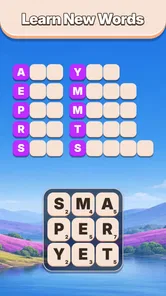
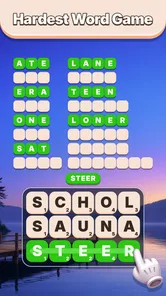
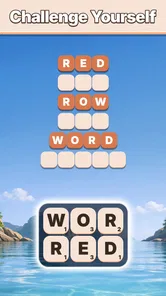
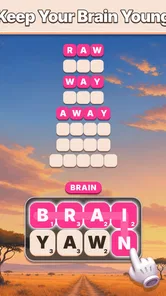
Word Tiles - Relaxing Puzzle review
 Analysis by Gamesive
I’d choose Word Tiles - Relaxing Puzzle when I wanted a word game that felt calmer and more deliberate than a timed quiz. Its appeal is the simple pleasure of working with letter tiles to find words, rather than racing through trivia or competing for a high score. That makes it an easy game to pick up during a quiet break, though it is not the best fit if I’m looking for a deep campaign, intense challenge, or lots of strategic variety.
What matters when choosing a word puzzle
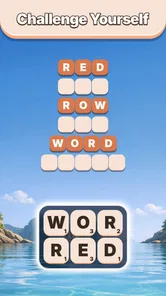
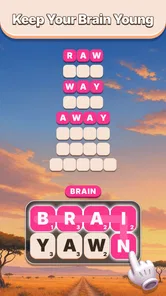
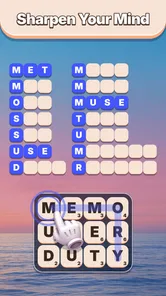
Word games can look similar at first, but they suit different moods. Some reward fast recall, some focus on crosswords and clues, and others turn letter-making into a competitive race. This one sits in the more relaxed puzzle corner: the central draw is arranging or finding words from tiles, with the pace implied by the game’s calming identity rather than a head-to-head contest.
That distinction matters in everyday use. If I have a few minutes between tasks, I’m more likely to open a puzzle that lets me think at my own speed than one that expects uninterrupted attention. A tile-based format also gives the task a visual element: I can scan available letters, test a possible word, and reconsider the arrangement. It is a small, focused activity rather than a substitute for a full-length game session.
The game is published by Agave Games and is listed as a puzzle game. It is free to download, with optional in-app purchases priced from $1.99 to $49.99 per item. I’d treat that range as a reason to check purchase prompts carefully, not as a reason to assume spending is necessary. If I only want to try the basic experience, I can start without paying; anyone who prefers to avoid accidental purchases should review their device’s purchase controls before handing the phone to a child.
Its audience rating is Everyone, which makes the basic theme broadly suitable for different ages. That does not mean every player will find the same level of challenge: a word puzzle can feel soothing to someone who enjoys language and frustrating to someone who dislikes searching for words. The game has a 4.9 average from around 44,000 ratings, and it has passed one million installs. Those figures suggest a wide audience response, but they cannot tell me whether its particular pace or puzzle style will suit my own habits.
Why the tile format works for short breaks
The strongest use case is a small pocket of downtime: waiting for an appointment, taking a breather after work, or sitting with a cup of tea when I want something more engaging than scrolling. I can approach a word puzzle in short bursts, and the act of moving from scattered letters to a word gives the break a clear beginning and end. It asks for attention, but not the kind of constant reaction that makes a game awkward to play around other activities.
There is a useful mental routine here, too. Rather than typing an answer from memory, I can inspect the available tiles and work outward from familiar letter patterns. When I get stuck, changing the order in which I look at the letters can help: start with common short combinations, then look for endings or less obvious pairings. This is a practical way to keep a puzzle moving without immediately reaching for a hint or abandoning the level.
I also find tile puzzles better suited to shared, low-pressure play than many competitive word games. A friend or family member can look over a shoulder and suggest a possibility without needing a separate account or a match. That is not a special multiplayer feature claim; it is simply how a visual word puzzle can work as a casual conversation starter. It is especially handy when one person spots a letter pattern the other has overlooked.
Where Word Tiles earns its place
Word Tiles - Relaxing Puzzle makes the most sense for someone who enjoys vocabulary but does not want every session to feel like a test. Compared with timed word hunts, its relaxed framing is a better match for players who prefer to pause and consider a solution. Compared with clue-based crosswords, the attraction is the letter material itself: the puzzle asks me to make sense of tiles rather than rely on a separate clue for each answer.
That difference can make the game feel approachable even if I am not a crossword regular. I can begin with the letters in front of me, form a likely word, and use that attempt to guide the next one. The design concept is familiar enough to understand quickly, but word-searching still offers small moments of discovery. A good session is not necessarily one where I solve everything instantly; it can be satisfying simply to notice a word that was hiding in plain sight.
The game is currently version 1.6.4 and supports devices running Android 10 or later. For a player deciding whether an older phone or tablet is suitable, the OS requirement is the useful practical check. I would confirm that the device meets it before expecting to install the game, particularly if I am setting it up for a relative who rarely updates their device.
One non-obvious tip is to use the game as a deliberate reset rather than an automatic filler. I’d open it when I can give a puzzle a few minutes, not while trying to follow a conversation or do something that needs uninterrupted focus. Word formation still takes concentration, and the relaxed label should not be mistaken for a game that plays itself. A short, attentive session is more likely to feel restorative than repeatedly checking the screen in the middle of another task.
Another useful habit is to decide in advance how much help I want from purchases or prompts. Since the game includes optional purchases, I would avoid tapping through offers quickly, especially when a child is playing. Setting purchase restrictions on the device is a sensible precaution. This keeps the game’s role clear: a free starting point for casual puzzle play, with spending left as a conscious choice rather than an impulsive response to getting stuck.
When another kind of word game is a better fit
I would not recommend this as the first choice for someone who wants a fierce daily challenge or a social contest. A competitive word game is more suitable if the enjoyment comes from racing another player, comparing results, or feeling pressure to answer quickly. Likewise, a traditional crossword is the stronger option for a person who specifically wants definitions, clues, and a grid-based solving process. The tile approach is its own kind of activity; it should not be expected to satisfy every word-game preference.
It may also be a poor match for players who want a sprawling story, character progression, or varied action. This is a puzzle game with a focused word-making premise, so the attraction is repetition with the possibility of fresh letter combinations, not a broad mix of genres. If I know I lose interest when a game centers on one core task, I would choose a title with several puzzle modes or a larger adventure structure instead.
There is a trade-off between calm pacing and urgency. A slower-feeling experience is welcome when I want to unwind, but it can lack the momentum that makes timed challenges exciting. If I play mainly for adrenaline or a sense of escalating stakes, this may feel too gentle. On the other hand, anyone who finds countdowns stressful may appreciate that the game’s identity points in a quieter direction.
It is also worth being realistic about vocabulary differences. A player who knows many words may move through a puzzle comfortably, while someone still building confidence with English may find some combinations less obvious. I would treat a difficult level as a prompt to try alternate letter patterns, not as evidence that I am bad at word games. For language learners, it can offer practice noticing spelling and word forms, but it is not a structured lesson or a replacement for a learning app.
Trying it without making it a commitment
Switching from another word game is easy in one sense: there is no need to change how I think about words altogether. I can bring the same habit of looking for prefixes, endings, and short connecting combinations. The adjustment is mainly about expectations. A player arriving from a timed game should give the slower puzzle rhythm a fair try, while a crossword fan should expect tile-led solving rather than clue-led deduction.
Because it is free to download, the practical cost of trying it is low, provided the device meets the Android 10 minimum and I pay attention to in-app purchase prompts. I would give it a few short sessions before deciding whether it fits my routine. One level may not reveal whether I like the puzzle style, but a handful of sessions will show whether I naturally want to return to it or whether I miss the urgency and variety of another category.
The game was released on July 24, 2026. Its current version, 1.6.4, gives prospective players a concrete version to look for in the app store. I would still make the decision based on the central experience rather than the version number: the important question is whether arranging letters into words is the kind of small challenge I want to revisit.
My recommendation
I’d recommend Word Tiles to casual players who like word puzzles, want a gentler alternative to speed-based competition, and value a game that can fit into a brief break. Its tile-centered premise gives the mind something specific to work on without demanding a long session, and the broad Everyone age rating makes it an approachable option for households with different ages.
I’d skip it if I wanted head-to-head play, clue-heavy crosswords, a substantial narrative, or a game built around constant novelty. I’d also be cautious if I dislike optional purchase prompts or know that I tend to tap through them without reading. The free download makes it reasonable to test, but a high average rating and a large player base are not guarantees that its particular rhythm will click for me.
For the right person, this is a straightforward way to turn idle minutes into a little word-finding exercise. I would keep it installed as a calm alternative to faster puzzle games, not as an all-purpose game for every mood. If the satisfaction of spotting a word among tiles sounds appealing, it is worth giving a few sessions; if I need competition or a wider range of activities, another word-game style will serve me better.
What we like
- Easy-to-learn rules make it accessible to new players.
- Short rounds fit well into spare moments.
- Word puzzles offer a calm alternative to fast-paced games.
- Gradually tougher levels can keep regular players engaged.
- The tile format gives familiar word searches a fresh twist.
What could be better
- Some puzzles may feel repetitive after extended play.
- Later levels can be difficult without hints.
- Ads may interrupt the relaxing flow.
- A small vocabulary may make certain answers challenging.
- Progress may rely on an internet connection.
Frequently Asked Questions
What is Word Tiles - Relaxing Puzzle?
Word Tiles - Relaxing Puzzle is a casual word game built around connecting letter tiles to form words and complete level-based challenges. Its straightforward controls make it approachable for players who enjoy word searches and vocabulary puzzles, while the relaxing presentation is intended to provide a low-pressure experience. Exact features, level formats, and available content can vary by version, so check the app listing for current details.
How do you play Word Tiles - Relaxing Puzzle?
The basic idea is to look at the letters shown on the board and connect or select them to create words that fit the puzzle. As you complete a level, you move on to new challenges, which may require spotting different words or patterns. The precise gestures and rules can depend on the level, so follow the in-game prompts when you first play and use any available hints if you get stuck.
Is Word Tiles - Relaxing Puzzle free to download and play?
The game may be available to download without an upfront purchase, but free-to-play apps can include advertisements, optional in-app purchases, or other paid extras. Availability and pricing can also differ between Android and iOS, regions, and app versions. Before installing, review the store listing for current pricing, purchase options, and ad disclosures, and check your device’s purchase settings if you want to avoid accidental charges.
Can I play Word Tiles - Relaxing Puzzle offline?
Whether the game works without an internet connection can depend on its current version and which features you want to use. Some puzzle gameplay may be available offline, while ads, optional rewards, updates, or other online services may require a connection. If offline play matters to you, check the app’s store information and test a level with your device disconnected rather than assuming every feature will remain available.
Is Word Tiles - Relaxing Puzzle suitable for children, and what should I check before downloading?
Word puzzles can be suitable for a range of ages, but the best choice depends on a child’s reading ability and the game’s content, advertising, and purchase options. Check the age rating and privacy details on the relevant app store, and review whether the app offers ads or in-app purchases. Parents may also want to use device-level controls to manage screen time and restrict spending.
Permissions
On Android, Word Tiles - Relaxing Puzzle asks for these permissions.
- Wi-Fi connection information
- view Wi-Fi connections
- Other
- view network connections, full network access, control vibration, prevent device from sleeping, Google Play license check
Languages
Word Tiles - Relaxing Puzzle is also available in 1 other languages on our site.
EspañolWord Tiles - Juego de Palabras
User reviews
4.9 out of 5
44,127 reviews
- 93%
- 5%
- 1%
- 0%
- 1%
Download Word Tiles - Relaxing Puzzle
Puzzle · Agave Games · Free
Games like Word Tiles - Relaxing Puzzle
View all: Games like Word Tiles - Relaxing Puzzle
Block Blast!
Puzzle4.8 out of 5

Gossip Harbor: Merge & Story
Puzzle4.4 out of 5

Magic Sort!
Puzzle4.6 out of 5
Rotate Rings
Puzzle4.8 out of 5
Meowdoku: Brain Puzzle Games
Puzzle4.7 out of 5
About this listing
- Game
- Word Tiles - Relaxing Puzzle
- Developer
- Agave Games
- Package
- com.agavegames.wordtiles
- Version reviewed
- 1.6.4
Gamesive reviews games on its own and is not paid by developers for scores. We do not host game files: the download buttons open the official Google Play and App Store pages. Names, icons and screenshots belong to their owners.